A buyer-focused look at reserve discipline, capital planning, and association fees at Armani Casa in Pompano Beach and Aston Martin Residences in Downtown Miami, with a practical framework for evaluating long-term ownership costs.
An exceptional condominium purchase should feel considered long after closing. Architecture and amenities establish the appeal; the association's financial discipline helps determine whether ownership remains comfortable. For buyers comparing Pompano Beach with Downtown Miami, the question is not simply what the monthly fee buys today, but how the building prepares for tomorrow's obligations.
Armani Casa Residences Pompano Beach and Aston Martin Residences Downtown Miami offer distinct starting points: a planned oceanfront property with 28 residences and a completed condominium tower with listing-level fee information. Neither distinction establishes superior reserves or greater fee stability. Those judgments rest on the documents, not the brand.
Fee predictability is not the absence of increases. It is the ability to understand what drives them, which obligations are already funded, and where an owner may face additional exposure.
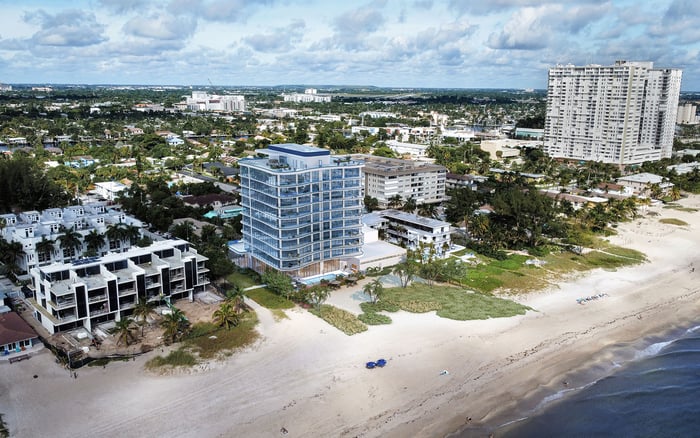
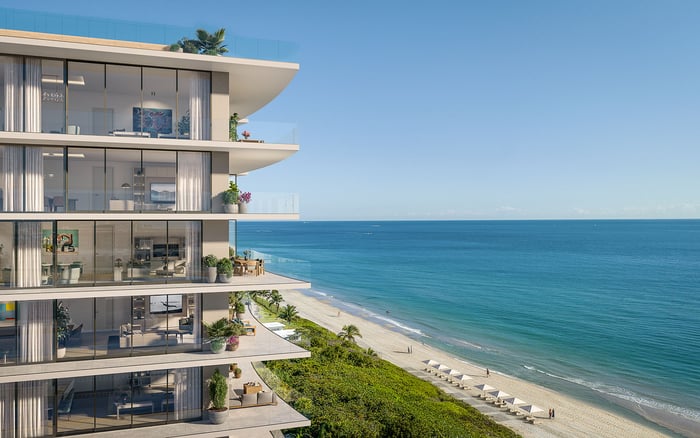
Armani Casa is planned at 1550 N. Ocean Boulevard, Pompano Beach, FL 33062, with 28 oceanfront residences and one residence per floor. That configuration makes the allocation of shared expenses an important part of the purchase decision.
A small residence count does not, by itself, establish higher assessments. It does warrant careful examination of how common obligations are distributed. The governing documents should specify each residence's share; purchasers should not assume that all expenses are divided equally among 28 homes.
For a planned property, distinguish a projected operating budget from demonstrated operating performance. Ask which assumptions underpin staffing, maintenance, insurance, and reserve contributions, and which costs remain estimates rather than contracted amounts. An attractive initial fee is useful only when its underlying assumptions are clear.
Buyers also considering The Ritz-Carlton Residences® Pompano Beach should apply the same document-first standard. This is a framework for comparison, not a claim that either property's financial position is stronger.
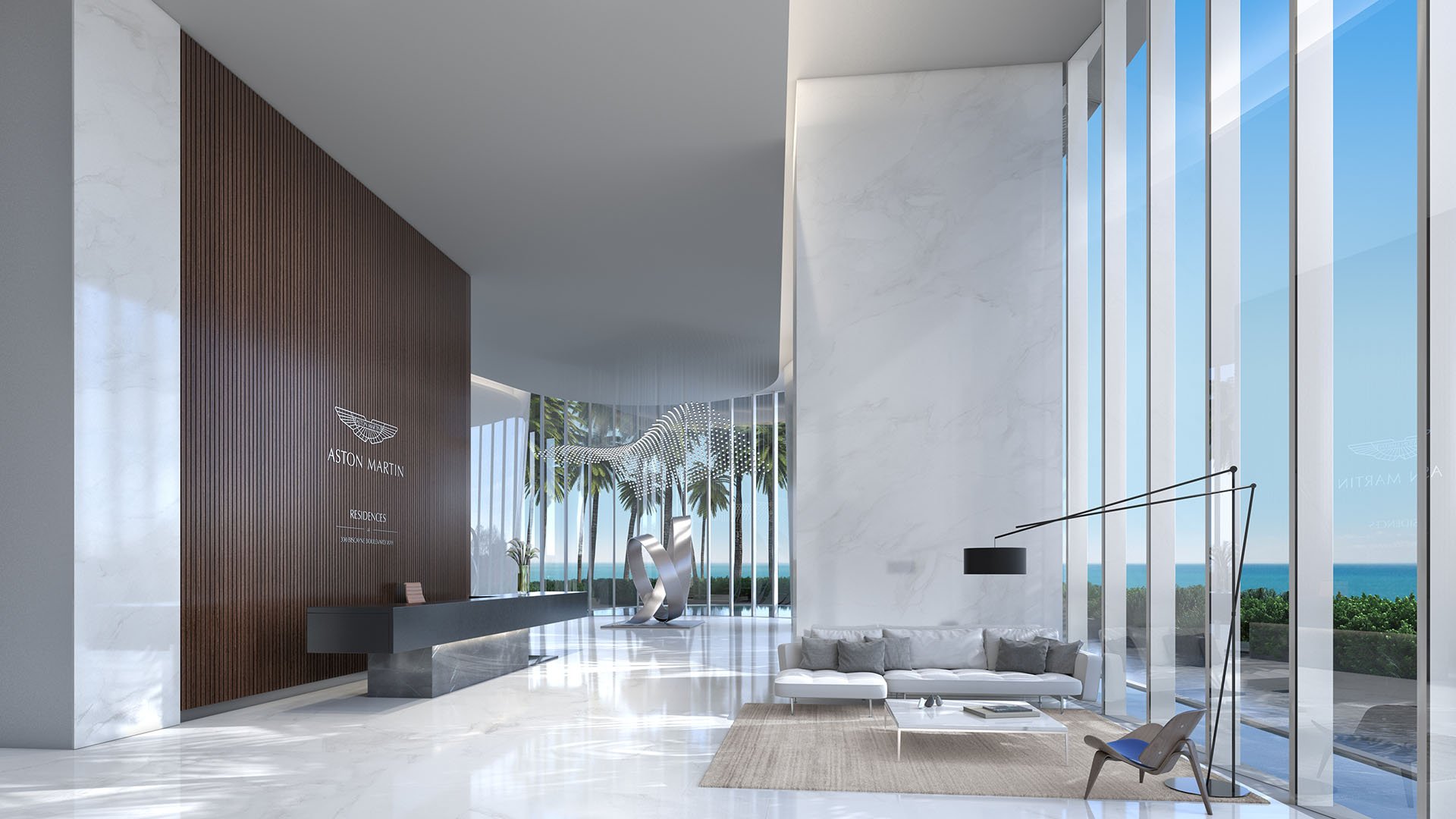
Aston Martin Residences is a completed condominium tower in Downtown Miami. A sample of 40 listings shows a median association fee of $3,527 per month and approximately $1.78 per square foot per month. These figures provide an initial reference, not a guaranteed assessment for a particular residence.
The distinction matters. A listing median is not a building-wide fee schedule, nor does it forecast future assessments. Buyers should confirm the actual charge for their selected unit, what it includes, and whether additional obligations fall outside the recurring monthly payment.
Treat the dollar figure and the per-square-foot figure as descriptions of the sample, not as a formula for calculating every unit's bill. Before comparing residences, confirm that the fee information covers the same period and that the included expenses are understood.
For a completed building, request the adopted budget, available financial statements, reserve documentation, insurance records, and assessment notices. The objective is to reconcile the advertised ownership cost with the association's documented obligations.
A substantial reserve balance can look reassuring without answering the essential question: is it sufficient for the obligations ahead? Structural Integrity Reserve Studies, or SIRS, evaluate funding needs for major building components rather than merely reporting how much cash an association holds.
For qualifying condominium buildings, those components can include structural systems, roofs, fireproofing and life-safety systems, plumbing, electrical systems, waterproofing, and windows. Buyers should examine how identified needs and the funding schedule relate to the contributions reflected in the adopted budget.
Funding for SIRS-covered components generally cannot be treated as an optional contribution that owners may simply vote to waive. The reserve plan is therefore a substantive ownership consideration, not a discretionary amenity expense.
At either development, the central inquiry is whether the applicable study and budget align. There is no basis here to rank the two associations by reserve adequacy or funding percentage. A confident conclusion requires property-specific documentation and an explanation of any gap between recommended funding and adopted contributions.
Florida's condominium-safety framework requires milestone structural inspections for qualifying residential condominium and cooperative buildings with three or more habitable stories. These inspections involve licensed engineers or registered architects, rather than ordinary property-management inspections.
An inspection and a reserve study answer related but distinct questions. The inspection addresses structural condition; the reserve study addresses funding needs for covered components. Neither guarantees that fees will remain unchanged.
The framework includes recurring 10-year cycles for milestone inspections after the initial inspection and for SIRS. Buyers should have qualified advisers confirm the applicable timing, requirements, and any exceptions for the specific property. Do not assume that every coastal building automatically has a 25-year initial inspection trigger.
Request the relevant inspection documentation and any associated repair requirements, then reconcile those findings with the capital plan. Compliance dates matter, as does the practical question of how required work will be funded.
A capital-project discussion should connect scope, timing, cost, and funding. Request a schedule of identified work, together with available estimates, approved contracts, and the proposed funding source. Clarify which projects are committed, which remain under consideration, and which depend on further evaluation.
Distinguish reserve-funded work from projects that may require separate owner contributions. Ask whether existing assessment notices cover the full identified scope or only one phase. These are due-diligence questions, not indications that either featured property has an unfunded project.
The same discipline applies when considering Waldorf Astoria Residences Downtown Miami. A project's identity does not substitute for evidence of its funding arrangements.
Before committing, assemble the governing documents, adopted or proposed budget, applicable reserve study, inspection documentation, insurance records, contracts, and assessment notices. Have the relevant advisers distinguish current obligations from projections and explain how costs are allocated to the selected residence.
Then test fee predictability with three questions: what is payable now, what future spending is identified, and what remains uncertain? Examine insurance arrangements, reserve contributions, and capital commitments together, rather than as isolated line items.
Armani Casa's documented configuration and Aston Martin's listing-fee snapshot illuminate different aspects of ownership. They do not establish which association is better funded, what future capital work will cost, or whether either property's fees will rise at a particular rate.
A discerning purchase pairs aesthetic conviction with financial clarity. Seek a credible explanation of obligations, a documented funding plan, and a unit-specific understanding of charges. Together, these offer a more durable basis for confidence than either a modest initial fee or an impressive reserve balance viewed alone.
For a considered perspective on South Florida condominium ownership, explore MILLION.
If branded residences are on your mind — as a home or as an allocation — we would be glad to share what we are seeing, privately.
Begin a quiet conversationIt is planned at 1550 N. Ocean Boulevard, Pompano Beach, FL 33062.
The planned property has 28 oceanfront residences, with one residence per floor.
No. The residence count makes expense allocation important, but it does not establish future costs or assessment levels.
The 40-listing sample shows a median association fee of $3,527 monthly and approximately $1.78 per square foot per month. Those figures are sample indicators, not guaranteed charges for every residence.
No. Buyers need the selected unit's actual charges and the association's budget, reserve documentation, and assessment notices to evaluate their obligations.
A SIRS evaluates funding needs for major structural and life-safety components in qualifying condominium buildings. It is more than a statement of current reserve cash.
Components can include structural systems, roofs, fireproofing and life-safety systems, plumbing, electrical systems, waterproofing, and windows.
Funding for SIRS-covered components generally cannot be treated as an optional reserve contribution that owners may simply vote to waive. Property-specific requirements should be reviewed with qualified advisers.
Licensed engineers or registered architects perform milestone structural inspections. These are distinct from ordinary property-management inspections.
Review the governing documents, budget, applicable reserve study, inspection documentation, insurance records, contracts, and assessment notices. Together, they help distinguish current charges from identified future obligations.