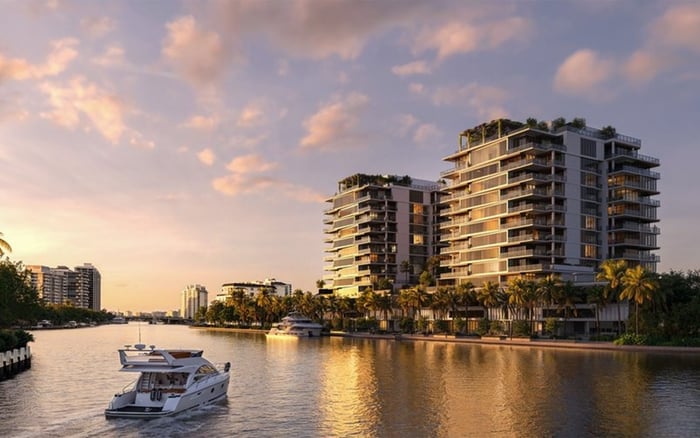
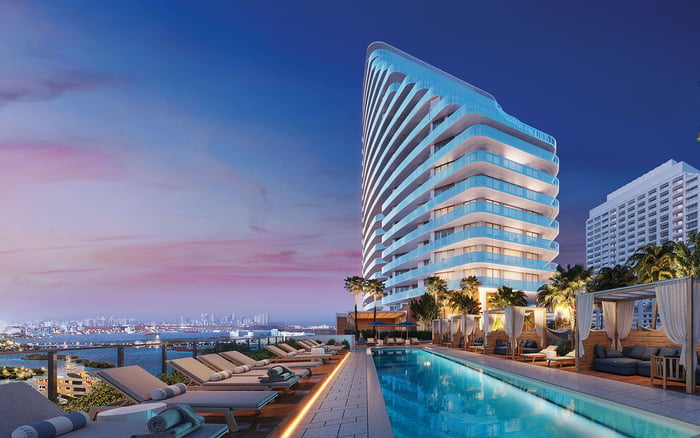
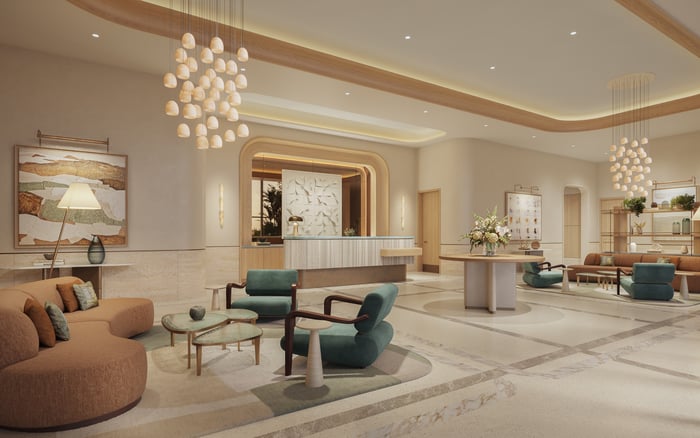
A due-diligence-focused look at five Fort Lauderdale luxury addresses for buyers who prioritize private dining and entertaining. The comparison emphasizes residence layouts, shared-space access, guest policies, catering logistics and the distinction between managed hospitality and private-estate control.
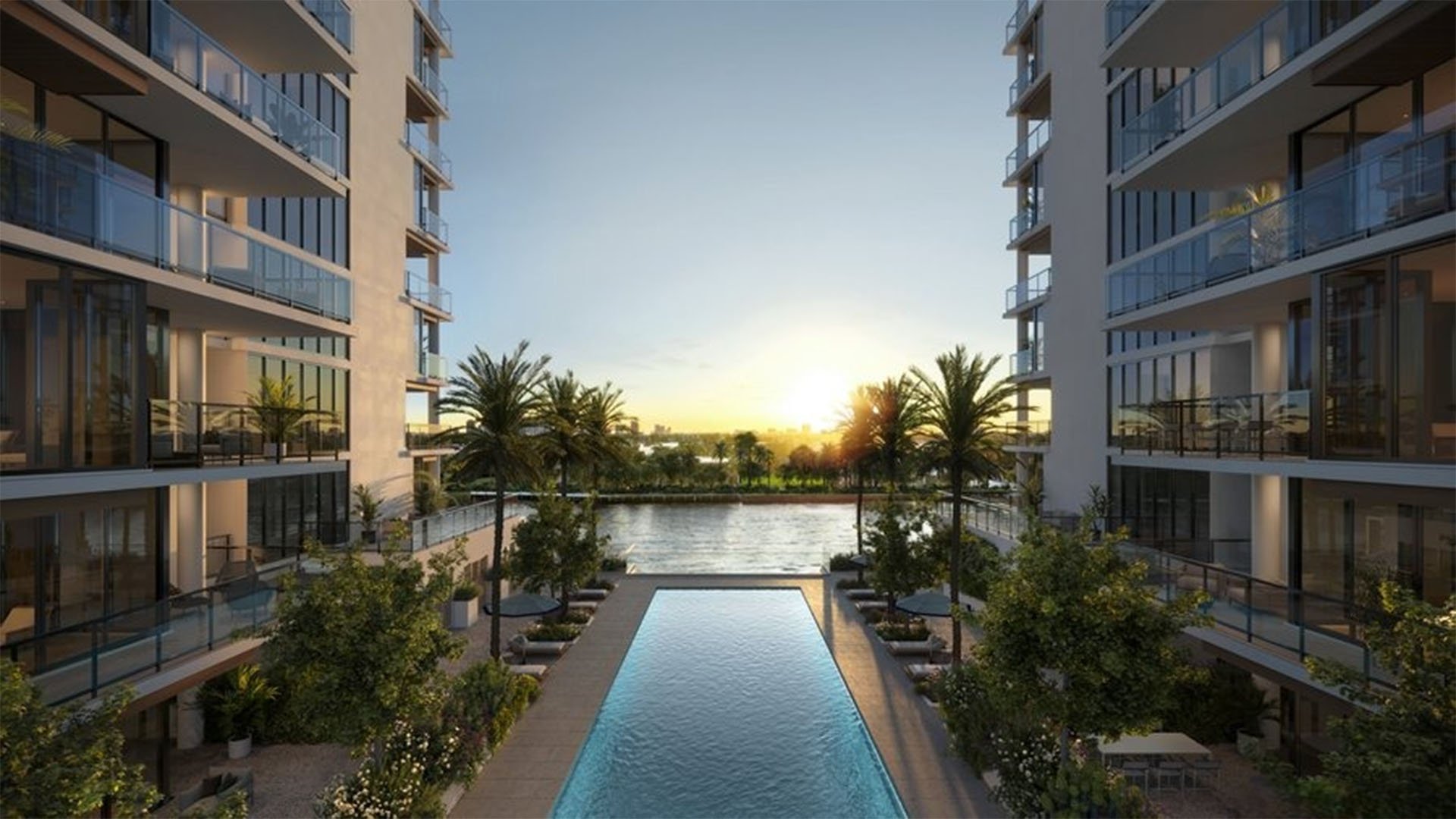
For buyers focused on private dining and entertaining in Fort Lauderdale, the relevant questions extend beyond the size of a living room. A useful comparison should consider the residence layout, outdoor space, guest circulation, service access and any shared venues that residents may be able to reserve.
Operational details matter just as much as design. Before relying on a private dining room, lounge or event area, buyers should confirm availability, reservation procedures, guest limits, fees, staffing requirements, catering access and cleanup responsibilities.
1. Viceroy Residences Fort Lauderdale
Buyers considering this address should request current written materials identifying which dining and social spaces are resident-accessible, whether they can be reserved for private gatherings and what restrictions apply. A tour should also test the route between the residence, arrival areas and any shared entertaining spaces.
2. Four Seasons Hotel & Private Residences Fort Lauderdale
The central due-diligence question is how the residence and hospitality components work together for private hosting. Buyers should verify which services are available to residents, how guests are handled and whether event support or reservable spaces require separate arrangements.
3. 160 Marina Bay
For this address, buyers should focus on the individual residence plan and the rules governing shared areas. Terrace usability, kitchen workflow, guest access, deliveries and sound limitations can determine whether a home fits intimate dinners or more fluid indoor-outdoor gatherings.
4. 821 Solar Isle Drive
A private-estate buyer should evaluate how the floor plan supports arrival, dining, service and departure without disrupting private areas of the home. Parking, outdoor circulation, catering setup and property-specific restrictions should all be reviewed before drawing conclusions about capacity.
5. 516 Mola Avenue
This address should be assessed through the same practical lens: usable gathering areas, transitions between interior and exterior spaces, kitchen and service access, guest parking and applicable rules. Entertaining capacity should be based on verified plans and on-site review rather than marketing language alone.
A broader tour can help buyers distinguish among different residential models. The Ritz-Carlton Residences® Fort Lauderdale and St. Regis® Residences Bahia Mar Fort Lauderdale may be included as comparison points when evaluating branded residential options.
The purpose of a comparison tour is not to assume that properties offer equivalent facilities. It is to determine which setting best matches the buyer’s preferred balance of private space, shared amenities, service and control.
Request the current governing documents, amenity rules and written reservation procedures for any shared dining or event venue. Confirm guest limits, deposits, fees, cancellation terms, access hours, music restrictions and whether staffing or security is mandatory.
For catered gatherings, ask whether outside chefs and vendors are permitted, where deliveries arrive, which kitchens may be used and how waste removal is handled. Buyers should also review elevator access, loading procedures, parking and the separation between guest and service circulation.
Inside the residence, examine dining-room proportions, kitchen access, storage, acoustics and the path to terraces or outdoor areas. A layout that works well for daily life may not support the same flow when guests, staff and vendors are present simultaneously.
Which five addresses are considered in this guide? The guide considers Viceroy Residences Fort Lauderdale, Four Seasons Hotel & Private Residences Fort Lauderdale, 160 Marina Bay, 821 Solar Isle Drive and 516 Mola Avenue.
What should buyers verify about a private dining room? Confirm whether residents can reserve it, how far in advance bookings open and which guest limits, fees and operating hours apply.
Why do catering rules matter? Restrictions on outside chefs, deliveries, kitchen use, staffing and cleanup can materially affect how an event operates.
Should advertised amenities be treated as guaranteed? No. Buyers should rely on current written documents and direct confirmation rather than assumptions based on promotional descriptions.
How should buyers assess entertaining capacity? Review verified floor plans and visit the property to evaluate circulation, seating, service access, acoustics and usable outdoor areas.
What is important about guest circulation? A clear route between arrival, dining and outdoor spaces can improve privacy and reduce congestion during a gathering.
Do shared venues replace in-residence entertaining space? Not necessarily. Shared rooms may have booking limits or restrictions, so buyers should also assess how well the residence functions independently.
What should private-estate buyers review? They should examine parking, catering setup, outdoor circulation, service access and any property-specific restrictions.
Why compare branded and non-branded residences? The comparison can clarify whether a buyer values managed service and shared amenities or greater control within the home itself.
What documents should buyers request before making a decision? Request current governing documents, amenity policies, reservation rules and any written requirements related to guests, vendors and events.
For a discreet conversation and a curated building-by-building shortlist, connect with MILLION.
If branded residences are on your mind — as a home or as an allocation — we would be glad to share what we are seeing, privately.
Begin a quiet conversation