A buyer-focused guide to evaluating West Palm Beach luxury residences for storm-day livability, from backup systems and staffing to in-residence comfort and access.
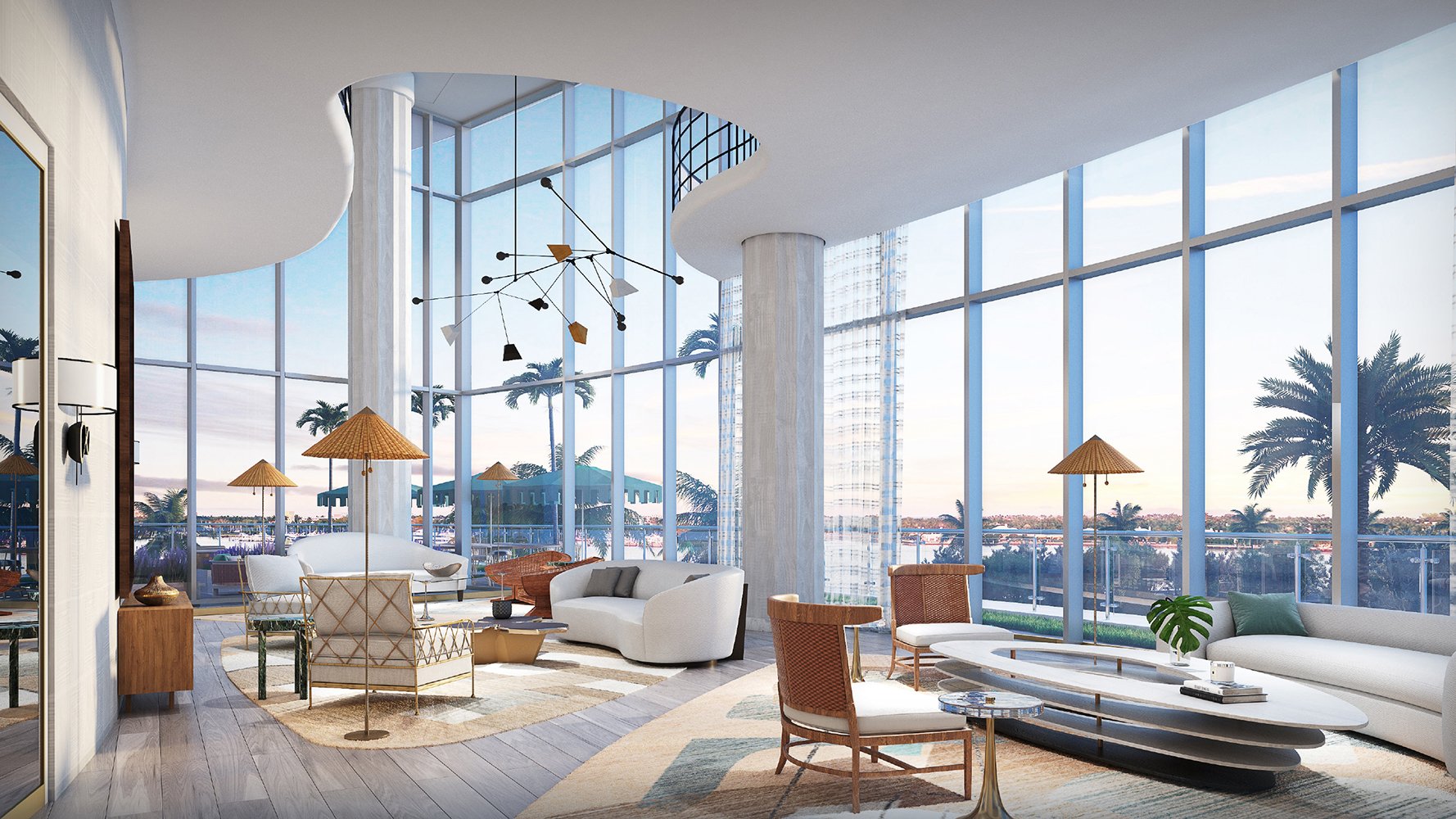
For the ultra-premium buyer, storm-day livability has become a defining measure of residential quality. It is not simply whether a building is substantial, contemporary, or beautifully finished. The more refined question is how gracefully daily life can continue when weather turns difficult, services outside the building are interrupted, or residents choose to remain in place rather than relocate.
In West Palm Beach, that conversation belongs beside design, views, privacy, and service. The best luxury residences for this profile are those that make disruption feel organized rather than improvised. They are the buildings where power, water, climate control, elevators, communications, access, staffing, and resident protocols are treated as part of the living experience, not merely as back-of-house concerns.
This is also where buyers should separate marketing language from operational reality. A residence can be visually impressive and still require careful questioning about how it performs over a long, uncomfortable day. The most discerning West Palm Beach search is therefore not just about the prettiest arrival sequence or the most seductive terrace. It is about what happens when everyone is inside, the building is under pressure, and comfort depends on preparation.
Storm-day livability begins with continuity. A well-considered residence should invite questions about backup power, water availability, elevator service, cooling, lighting in common areas, garage access, communications, security procedures, and staff coverage. None of these elements should be treated as minor technicalities. Together, they determine whether a luxury building feels composed or merely expensive.
Buyers should also think about duration. A short outage is one thing. A longer period of inconvenience is another. The stronger building is not necessarily the one with the most dramatic amenity deck. It is the one that has thought through ordinary resident needs with precision: moving safely between floors, preserving indoor air comfort, maintaining usable corridors, communicating clearly, receiving deliveries when possible, and ensuring essential building systems are monitored.
The best residences for storm-day living tend to project quiet confidence. They do not need to overstate resilience. Instead, their value appears in documentation, engineering transparency, staff training, and management’s ability to explain procedures calmly and specifically. For buyers at the top of the market, that clarity is itself a luxury amenity.
A serious West Palm Beach buyer can begin by comparing a select group of residences through the same practical filter. Alba West Palm Beach, Forté on Flagler West Palm Beach, and Mr. C Residences West Palm Beach should not be evaluated only by finishes, views, and lifestyle positioning. They should also be examined for how each building explains resident support, emergency procedures, and continuity of essential services.
That same lens applies to Shorecrest Flagler Drive West Palm Beach and The Ritz-Carlton Residences® West Palm Beach. A name, address, or architectural impression may attract the first conversation, but the storm-day question should guide the second one. Buyers should ask for building-specific answers rather than rely on broad assumptions about new construction or luxury branding.
This is not about choosing fearfully. It is about buying with precision. The strongest match is the residence that fits a buyer’s life on calm days and remains intelligible on difficult ones. A full-time resident, a seasonal owner, and a family with staff, pets, or frequent guests may all define livability differently. The correct building is the one whose operations align with those realities.
The storm-day interview should be direct. Ask what building systems are supported during outages, how elevators are prioritized, how long backup systems are intended to serve essential functions, and whether any residential cooling, lighting, or appliance circuits are supported. Ask where key mechanical systems are located and how vulnerable areas are protected. Ask how staff communicate with residents when normal channels are strained.
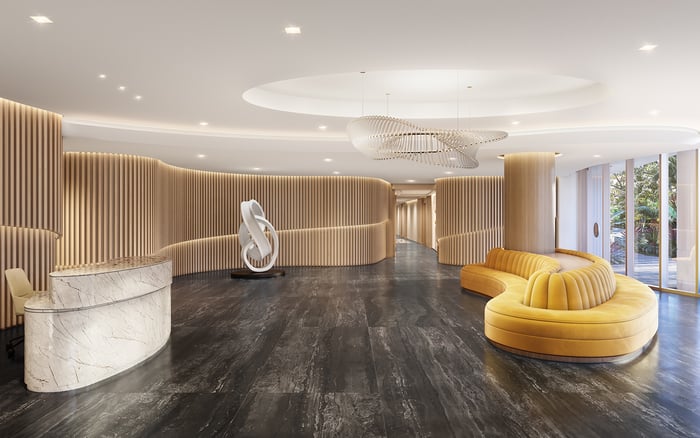
It is also worth asking how the building handles controlled access. During severe weather, the elegance of a lobby matters less than the reliability of entry, exit, garage movement, loading areas, package handling, and visitor management. If a buyer has household staff, medical providers, private security, or drivers, those routines should be discussed in advance.
Documentation matters. The best answers are not vague reassurances. They are clear explanations from the appropriate building professionals and representatives, supported by materials that can be reviewed before closing. A luxury buyer should feel comfortable asking for this level of detail. In a premium residence, resilience is part of the product.
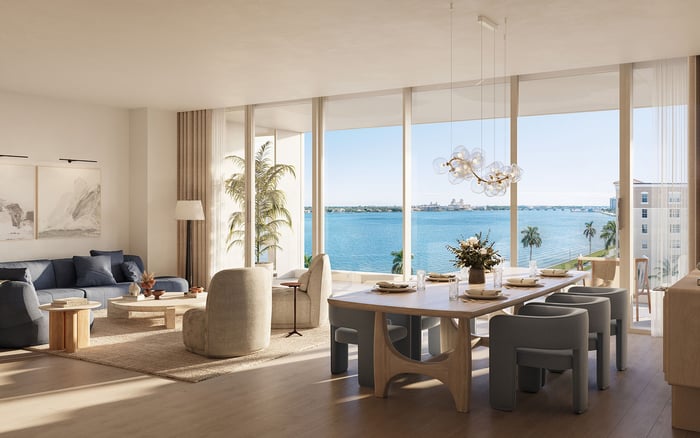
Storm-day livability is not only a tower-wide issue. The private residence must also be considered. Buyers should evaluate window and door performance, terrace exposure, storage for supplies, bedroom placement, the ability to work from home during weather events, and whether the plan offers comfortable interior zones away from glass when desired.
Kitchen function is another quiet indicator. A residence that supports calm, practical living should have enough storage, refrigeration strategy, and utility planning for more than entertaining. Primary suites should feel restful even when conditions outside are unsettled. Secondary bedrooms, dens, and staff areas should be evaluated for real use, not just brochure appeal.
Connectivity also belongs in the conversation. The ability to communicate, work, monitor property, and coordinate with family can shape the experience of a difficult day. Buyers should ask about building connectivity, in-unit infrastructure, backup options, and any limitations that may affect remote work or smart-home systems during service interruptions.
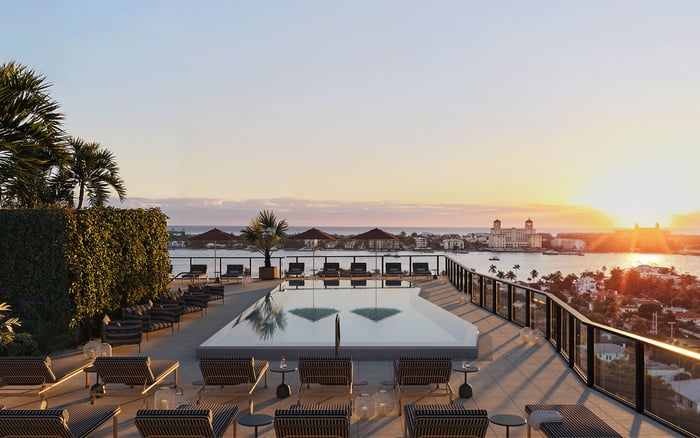
Even the best building exists within a wider routine. Buyers should consider how they arrive, where vehicles are stored, how close they are to essential services, and whether preferred routes feel manageable before and after storms. Waterfront beauty is part of the West Palm Beach allure, but every buyer should understand how exposure, access, and personal habits intersect.
For some, the ideal choice will be a lock-and-leave residence with staff coordination and simple interior maintenance. For others, it will be a larger home in the sky with room for family, guests, and supplies. The right answer depends less on a universal ranking than on the buyer’s tolerance for uncertainty.
The key is to make storm-day livability part of the earliest search criteria. Once a buyer is emotionally attached to a view or floor plan, it becomes harder to ask technical questions with discipline. The more prudent approach is to define the operational standard first, then select the residence that also satisfies design, service, privacy, and investment sensibility.
In West Palm Beach, the best storm-day residence is the one that preserves dignity under pressure. It should feel elegant on a blue-sky afternoon and sensible when conditions are imperfect. It should offer a management culture that communicates clearly, systems that support essential needs, and a private residence plan that remains livable without constant improvisation.
That kind of quality is rarely accidental. It comes from thoughtful design, transparent operations, and a buyer willing to ask more exacting questions. For the ultra-premium audience, this is where the definition of luxury becomes more mature. Beauty still matters, but so does continuity. Service still matters, but so does preparedness. A view still matters, but so does the ability to live well when the view disappears behind rain.
What is storm-day livability in a luxury residence? It is the ability to remain safely and comfortably in place during and after severe weather, with attention to power, water, climate control, elevators, communications, staffing, and access.
Is storm-day livability the same as structural resilience? No. Structural resilience concerns the building’s physical capacity, while livability focuses on how residents function day to day when services or routines are disrupted.
Should buyers ask about backup power? Yes. Buyers should ask what systems are supported, how long essential functions are intended to operate, and whether any in-residence circuits are included.
Do elevators matter in a storm-day review? Absolutely. Elevator availability, prioritization, and backup procedures can materially affect comfort, safety, staffing, and access in a high-rise residence.
How important is building management? Very important. Clear communication, trained staff, and defined procedures often determine whether a difficult day feels orderly or chaotic.
Should seasonal owners evaluate storm-day operations? Yes. Seasonal owners still need clarity on property monitoring, access, staff coordination, and communication when they are away.
Are newer buildings always better for storm-day livability? Not automatically. Buyers should review the specific building systems, operations plan, management culture, and residence layout rather than rely on age alone.
What should families prioritize? Families should focus on interior comfort zones, storage, communications, bedroom planning, pet logistics, and the ability to maintain routines during interruptions.
Can a waterfront residence still be a strong storm-day choice? It can be, but buyers should carefully evaluate exposure, access, building systems, and operating procedures before making that judgment.
When should these questions be asked? They should be asked early in the search, before a buyer becomes attached to a view, floor plan, or brand name.
To compare the best-fit options with clarity, connect with MILLION.
If branded residences are on your mind — as a home or as an allocation — we would be glad to share what we are seeing, privately.
Begin a quiet conversation