A disciplined due-diligence framework for cash buyers assessing boating convenience, dockage rights, vessel fit, bridge clearance, and long-term ownership in Sunny Isles Beach.
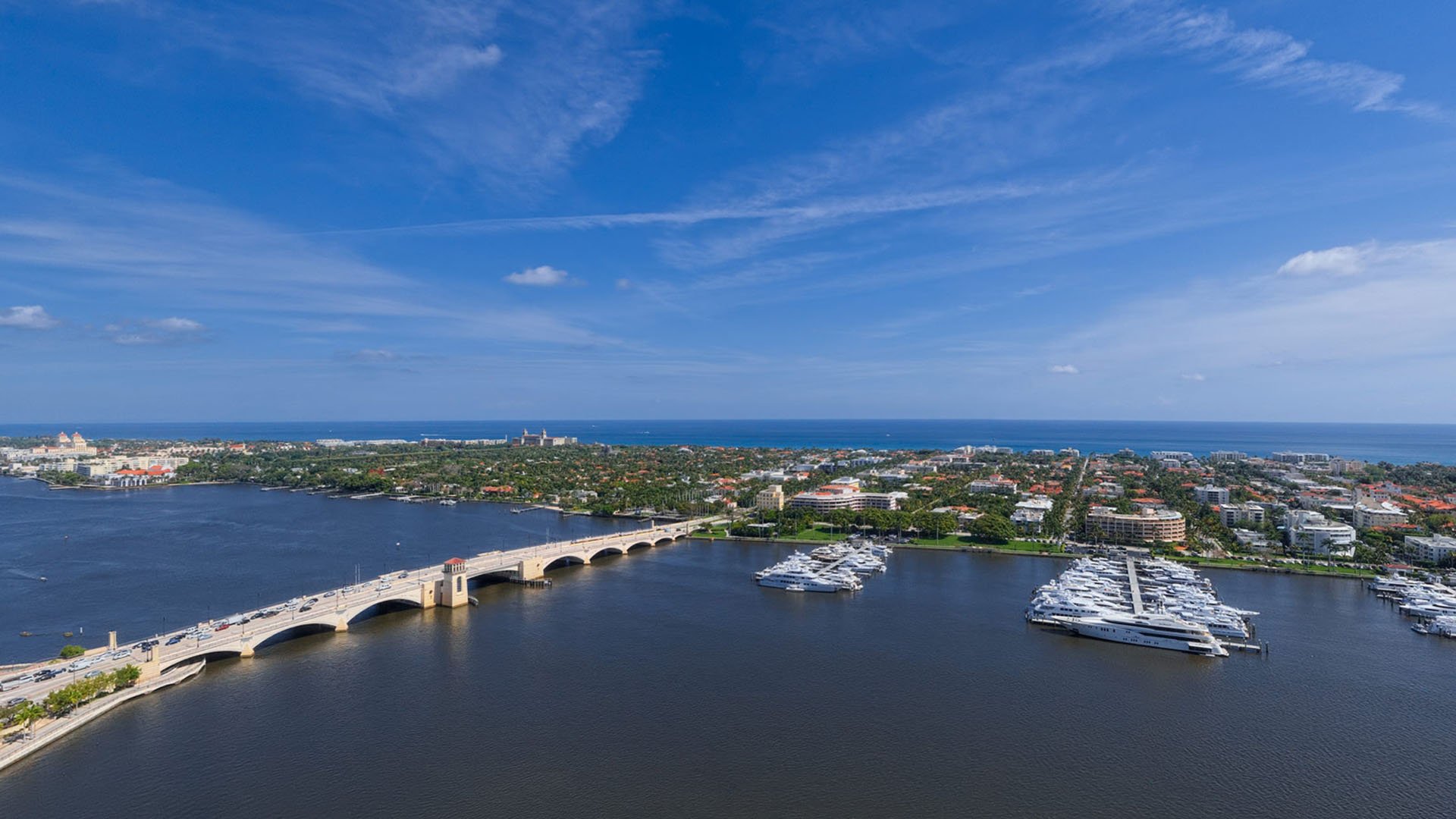
A cash acquisition in Sunny Isles Beach may remove financing contingencies, but it does not simplify the marine considerations that come with a waterfront lifestyle. The residence, the dock, and the navigable route should be treated as three distinct assets, each requiring its own documentary review and practical test.
That distinction matters because terms such as waterfront, marina, and boat slip can describe markedly different arrangements. A water view is not access. Access is not guaranteed dockage. And dockage is not necessarily transferable, exclusive, appropriately sized, or suitable for a particular vessel. A sophisticated buyer confirms the entire chain before a fast closing can narrow the scope of investigation.
For a second-home purchaser, the standard should be even more exacting. An owner who visits intermittently needs clear procedures for access, maintenance, storms, guest use, captains, vendors, and periods when the vessel is unattended.
Begin with the condominium or home, then create a parallel file for marine use. Determine whether any dock interest is conveyed with title, assigned under a separate agreement, leased, licensed, wait-listed, or merely available through an unaffiliated operator. The legal character of the right matters more than the sales description.
The same discipline applies when comparing oceanfront residences that may appeal to boating buyers for reasons beyond on-site dockage. Bentley Residences Sunny Isles, St. Regis® Residences Sunny Isles, and Turnberry Ocean Club Sunny Isles may form part of a broader Sunny Isles Beach residential search, but boating logistics should be evaluated independently of architecture, services, views, or brand identity.
Request the governing instruments, amendments, marina rules, current agreements, fee schedules, insurance requirements, and all documents addressing assignment or transfer. Counsel should confirm what survives a sale and what requires separate approval. If a berth is central to the purchase, the contract should define that expectation precisely rather than leave it to marketing language or an informal understanding.
Bridge clearance is not a neighborhood-level abstraction. It is a vessel-and-route calculation. Record the boat’s maximum height in its actual operating configuration, including fixed equipment and anything that may be raised. Also document its beam, draft, length overall, and the clearances required for safe maneuvering.
Next, map every intended trip from berth to destination. Identify each bridge, channel, controlled passage, shallow segment, and turning constraint. Clearance may vary with water conditions, while operating restrictions and temporary conditions can affect timing. Buyers should obtain current information from the responsible authority and have a qualified marine professional validate the route.
Do not test only the ideal trip. Model departure and return under the conditions in which the owner expects to use the boat. Account for opening schedules, waiting time, weather, daylight, traffic, and the vessel’s handling characteristics. A route that works technically may still fall short of the owner’s definition of convenient access.
A berth should be inspected as carefully as the residence. Confirm usable dimensions, depth, approach, piling or fender condition, cleat placement, utility capacity, lighting, security, boarding geometry, and exposure. Determine whether tenders, lifts, personal watercraft, shore-power equipment, storage, and service access are permitted.
Put operational questions in writing. Who approves a vessel? Can the association reject a boat based on its dimensions or type? Are captains and outside vendors allowed? What rules govern fuel, repairs, deliveries, overnight occupancy, guests, and temporary absence? Who pays for maintenance, utilities, assessments, or damage?
A comparison with Jade Signature Sunny Isles Beach may help a buyer refine residential preferences, but it should not replace a berth-specific inquiry. The essential principle for any buyer’s guide is simple: residential desirability and marine functionality must be underwritten separately.
Cash buyers often compete on certainty and timing. Neither requires waiving marine diligence. The purchase agreement can preserve access for inspections, document review, title analysis, insurance review, and confirmation of any separate dock arrangement. Deadlines should give the relevant professionals sufficient time to complete their work before deposits become nonrefundable.
The advisory team may include real-estate counsel, a title professional, a marine surveyor, an insurance adviser, and a captain familiar with the buyer’s vessel. Their scopes should be distinct rather than vaguely overlapping. One verifies the legal right, another the physical berth, another the route, and another the insurability and operating assumptions.
Before closing, assemble a one-page marine schedule listing the berth identifier, legal basis of use, permitted vessel envelope, recurring costs, transfer conditions, route constraints, insurance obligations, and open approvals. If any line remains uncertain, treat it as unresolved-not assumed.
The right question is not whether a property is close to the water. It is whether ownership supports the buyer’s actual boating pattern with an acceptable level of friction. Some households may prioritize immediate vessel access. Others may prefer a particular residence and arrange dockage elsewhere. Both choices can be rational when costs, travel time, service requirements, and contractual rights are understood.
For a cash buyer, this analysis is also part of exit planning. Future purchasers may use a different vessel or place a different value on boating. Clear, transferable rights are easier to explain than informal privileges, while well-documented limitations reduce surprises during resale. Precision at acquisition protects both enjoyment and optionality.
Does a waterfront residence automatically include dockage? No. Confirm the legal basis, availability, transferability, and permitted use of any berth separately.
Is marina access the same as owning a boat slip? No. Access may involve a lease, license, assignment, or third-party arrangement rather than ownership.
Why does bridge clearance matter before making a cash offer? A vessel may fit the berth but not the intended route, so each must be tested independently.
Which vessel measurements should a buyer document? Record maximum operating height, beam, draft, length overall, and maneuvering requirements.
Can a buyer rely on a listing’s boating description? Treat it as a starting point, then verify every material right, dimension, rule, and route condition.
Who should review dockage documents? Real-estate counsel should assess title and contract rights, while marine specialists review physical suitability.
What dock costs deserve attention? Review recurring fees, utilities, maintenance responsibility, insurance, assessments, and potential repair obligations.
Should the route be tested in person? When boating is material to the purchase, a qualified professional should evaluate the intended route and conditions.
Can marine due diligence be included in a cash contract? Yes. The agreement can preserve defined review, inspection, approval, and cancellation rights.
What belongs in the final pre-closing check? Reconfirm the dock right, vessel approval, costs, insurance, route assumptions, documents, and outstanding conditions.
For a tailored shortlist and next-step guidance, connect with MILLION.
If branded residences are on your mind — as a home or as an allocation — we would be glad to share what we are seeing, privately.
Begin a quiet conversation