A discreet South Florida buyer’s guide to evaluating privacy, sightlines, tower adjacency, floor height, glass exposure, arrivals, and waterfront settings.
For a Greenwich buyer considering Miami Beach, privacy is rarely about seclusion in the abstract. It is about whether breakfast can be taken on a terrace without a direct line from another balcony, whether evening rooms still feel composed after the lights come on, and whether arrivals remain calm, discreet, and unobserved.
South Florida rewards buyers who think in three dimensions. A residence may have commanding water views and still feel visually exposed from a neighboring tower. Another may sit lower, closer to landscape and water, and feel more protected because its sightlines are buffered by gardens, setbacks, or a quieter orientation. The decision is less about choosing high floors or low floors as a rule, and more about understanding what each position reveals and conceals.
For the privacy-led buyer, the most elegant home is not necessarily the one with the longest view. It is the one with the most controlled view.
Greenwich privacy is often associated with distance, trees, gates, and a soft threshold between public and private life. Miami Beach offers a different equation. Here, privacy is created through exposure management: how glass meets the skyline, how terraces are angled, how elevator landings are arranged, and how neighboring buildings relate to one another.
That is why a walkthrough should happen at more than one time of day. Morning glare, afternoon reflections, and evening interior light can each change the feeling of a room. A living room that seems serene at noon may become more visible after dark. A terrace that appears open during a showing may feel intimate once the eye maps nearby balconies.
In prime Miami Beach conversations, residences such as The Perigon Miami Beach and Shore Club Private Collections Miami Beach naturally enter the discussion because buyers are studying not only address and design, but also the lived experience of light, arrivals, and lateral exposure.
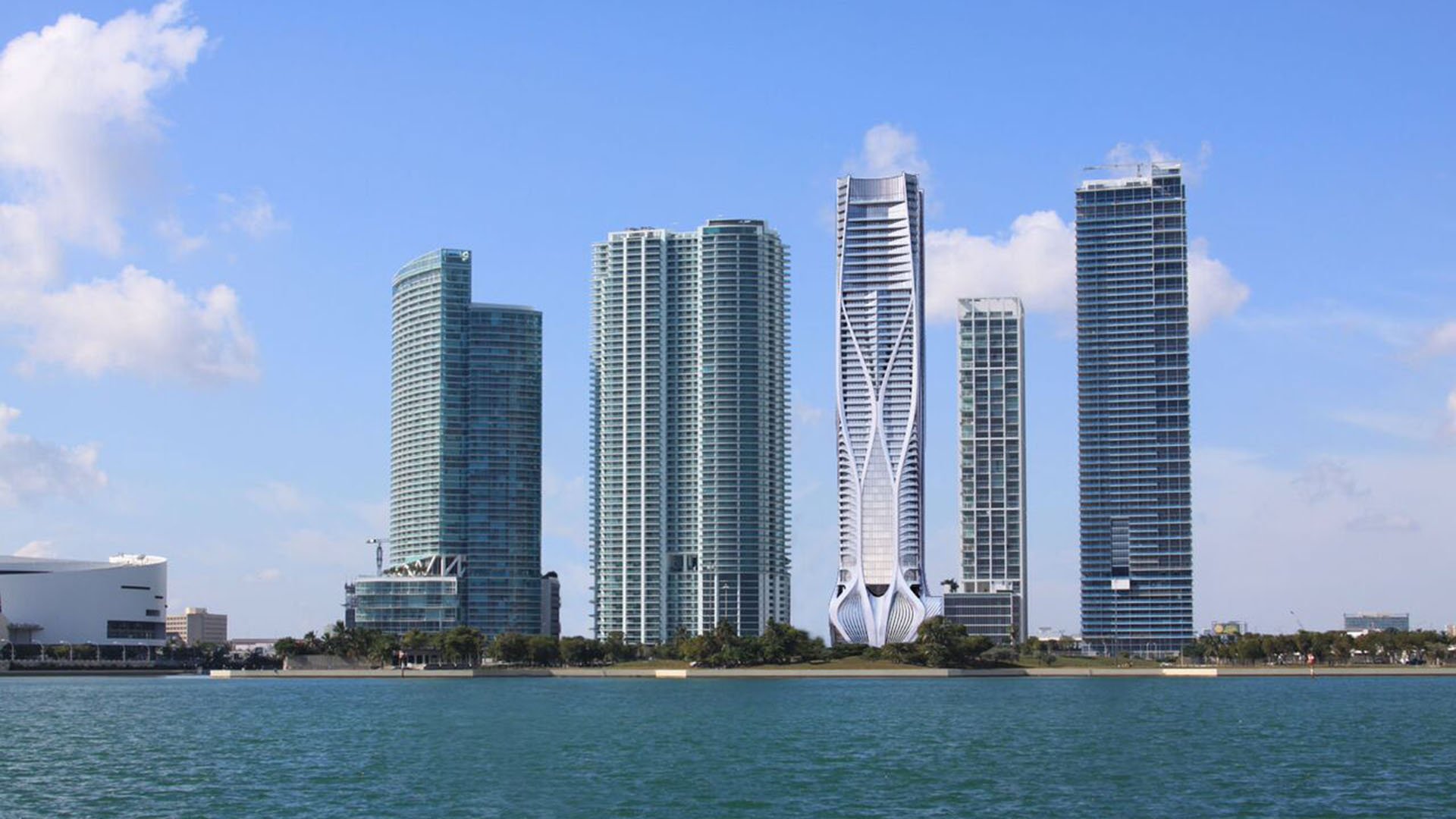
Before falling in love with finishes, a buyer should stand at each primary window and terrace door and ask a simple question: who can see this room, and from where? Neighboring towers matter not only because of height, but because of angle. A building across the street can be less intrusive than one set obliquely to the side, where terraces create diagonal views into bedrooms, kitchens, or outdoor dining areas.
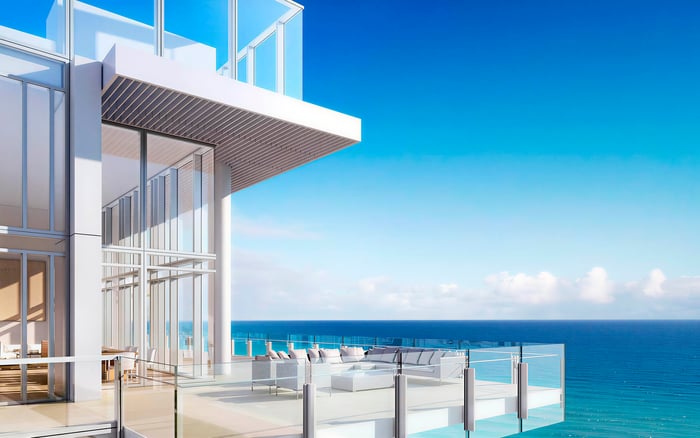
The most private plans often avoid direct face-to-face relationships. Corner residences can be superb when their exposure opens toward water or sky, but they can feel compromised when glass wraps toward active neighboring balconies. Deep terraces can protect interiors from casual views, yet they can also become stages if aligned with another tower.
This is where boutique scale can be meaningful, although not automatically superior. A smaller building may reduce corridor traffic and make the residential experience feel more controlled. A larger tower may still deliver privacy if the stack, orientation, and arrival sequence are right. The point is to compare the actual geometry, not the marketing category.
High floors often appeal to buyers arriving from estate markets because they seem to promise distance from street life and neighboring activity. They can offer a sense of air, horizon, and removal. Yet a high residence can still be exposed if it aligns with another tower of similar height or looks into a dense vertical field.
Low floors can surprise privacy-focused buyers. When they are buffered by water, landscaping, architectural overhangs, or carefully planned terrace depth, they may feel calmer and less observable than expected. They can also preserve a stronger relationship to gardens, pools, and daily convenience.
The right choice depends on the view corridor. A high residence looking over open water may feel serene. A lower residence shielded by planting may feel quietly residential. A mid-level residence facing a neighboring amenity deck may require more caution. The private answer is never simply up or down. It is across, below, above, and beside.
Waterfront living is one of South Florida’s most seductive promises, but waterfront is not a synonym for discretion. A bayfront or oceanfront position may reduce one side of exposure, yet side views, public paths, neighboring terraces, boat traffic, and amenity areas can still shape the lived experience.
In Surfside and nearby coastal enclaves, buyers often weigh architectural intimacy against the presence of adjacent buildings. A residence such as Arte Surfside may belong in a privacy conversation because the buyer can compare the feeling of a more composed coastal setting with more vertical, denser environments. The exercise is not to assume one location is private, but to test how the building sits within its immediate field.
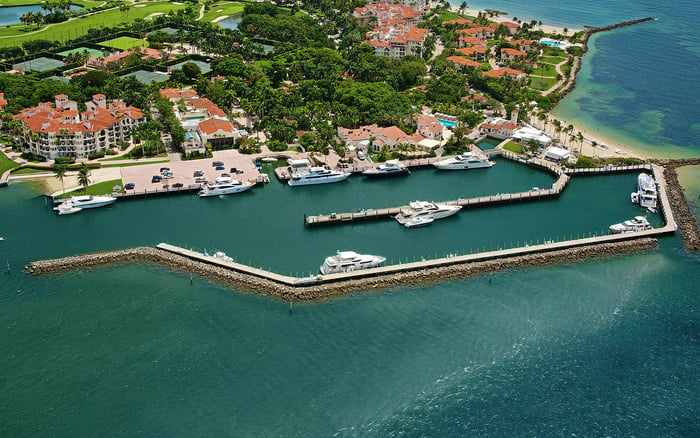
Fisher Island presents a different privacy logic, one defined by controlled access and a more separated rhythm. For buyers who want the psychological distance of an island setting, The Residences at Six Fisher Island can be part of the conversation. The privacy review should still remain precise: exposure from neighboring residences, terraces, amenity zones, and arrival paths all matter.
A residence can be visually protected and still feel public if arrivals are poorly choreographed. Privacy-minded buyers should examine the sequence from vehicle to lobby, lobby to elevator, and elevator to residence. The question is not only who sees the owner, but how often, how closely, and in what setting.
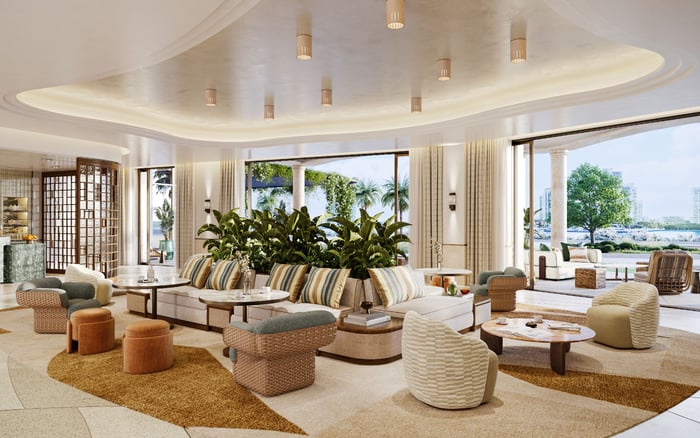
Private elevator access, limited shared corridors, reserved parking, separate service circulation, and calm lobby design can all contribute to the feeling of discretion. So can building culture. Some properties feel social and visible by design. Others feel quieter, with fewer moments of public performance.
For second-home buyers, staff, guests, and family routines should be part of the privacy review. Where do deliveries go? How does a guest reach the residence? Can household help move without crossing the main entertaining path? These questions may seem operational, but in the ultra-premium market they shape the home’s true elegance.
A disciplined tour should include binocular-level attention without becoming anxious. Start by mapping direct lines from neighboring towers into primary rooms. Then study terrace depth, balcony railing transparency, bedroom exposure, and the effect of interior lighting at dusk.
Ask how window treatments will affect the architecture. A glass residence that requires constant shades may not deliver the lifestyle it promises. Consider whether landscaping, screens, pergolas, or furniture placement can add privacy without making the home feel defensive. Review amenity locations carefully. A pool deck, restaurant terrace, fitness room, or rooftop lounge in the wrong position can become a daily privacy issue.
Finally, separate privacy from isolation. Many South Florida buyers want quiet, not absence. They want service, views, dining, wellness, and beach access, but without the sense of being on display. The best homes achieve that balance through orientation, proportion, and intelligent arrival design.
Miami Beach offers glamour, culture, beach proximity, and architectural variety, but every micro-location should be read block by block. South of Fifth, Mid-Beach, North Beach, Surfside, Bal Harbour, Coconut Grove, Fisher Island, and select mainland waterfront settings each solve privacy in different ways. The names matter less than the immediate surroundings.
Coconut Grove, for example, may appeal to buyers who want a more landscaped mood and a softer residential cadence. A project such as Four Seasons Residences Coconut Grove can enter the search when a buyer wants to compare waterfront or garden-oriented privacy against the more vertical energy of Miami Beach.
Buyer’s guides are useful only when they lead to site-specific judgment. Privacy cannot be generalized from a neighborhood label. It must be inspected through the windows, from the terraces, at the porte cochère, and along the daily path of living.
Is a higher floor always more private in Miami Beach? No. A higher floor can still face another tower, while a lower home may be protected by landscaping, water, or orientation.
What is the first privacy issue to study during a showing? Begin with sightlines from neighboring towers into living rooms, bedrooms, terraces, and evening entertaining spaces.
Are boutique buildings better for privacy? Sometimes, but not automatically. Orientation, access, terrace placement, and building culture matter more than size alone.
Does oceanfront exposure solve the neighboring tower problem? It can reduce exposure on one side, but side angles, amenity decks, and adjacent balconies still need review.
Should buyers visit at night before making a decision? Yes. Interior lighting can reveal visibility issues that are easy to miss during the day.
How should Greenwich buyers adjust their expectations? Think less in terms of acreage and more in terms of controlled glass, arrival sequence, and vertical sightlines.
Can window treatments fix a privacy concern? They can help, but a home that requires constant coverage may not feel as effortless as intended.
Are corner residences more private? They can be, especially with open views, but wraparound glass can increase exposure if nearby towers are angled toward the home.
What role do amenities play in privacy? Amenities can add visibility if pools, lounges, gyms, or dining terraces face directly toward the residence.
What is the best way to compare two private homes? Walk each home at different times, map every sightline, and compare arrivals, terraces, bedrooms, and nighttime exposure.
For a confidential assessment and a building-by-building shortlist, connect with MILLION.
If branded residences are on your mind — as a home or as an allocation — we would be glad to share what we are seeing, privately.
Begin a quiet conversation