A buyer-focused guide to weighing full-service condominium living against waterfront estate ownership for serious art collectors in South Florida.
For serious art collectors in South Florida, the decision between a full-service condominium and a waterfront estate is not simply a lifestyle preference. It is a question of stewardship. The residence must protect value, support installation, preserve privacy and allow the owner to live with important work without turning daily life into a conservation project.
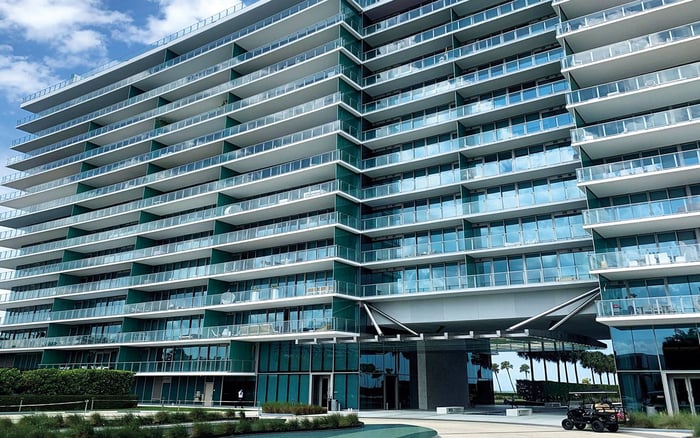
A full-service condo can offer a highly managed environment: controlled access, trained staff, secure delivery protocols, valet circulation and a building culture accustomed to privacy. A waterfront estate offers scale, autonomy and the ability to shape every wall, garden room and entertaining sequence around the collection. Neither is automatically better. The stronger choice depends on how the owner collects, how often works rotate and whether the home is meant to function as a private sanctuary, a salon or a museum-like setting for a small circle of guests.
A full-service condo is often compelling for the collector who values convenience and predictability. In a tower or boutique building, the owner is not personally managing every service relationship each day. Arrival, security, parking, package handling and guest movement can be absorbed into the property’s operating rhythm, which matters when works need to move discreetly in or out.
The appeal is especially clear for owners who split time between homes. A lock-and-leave residence can reduce friction. Staffed lobbies and controlled access points may help limit unplanned exposure, while professional building management can coordinate service visits with less disruption. In Brickell, for example, collectors comparing a vertical, service-forward lifestyle may consider addresses such as St. Regis® Residences Brickell as part of a broader conversation about privacy, hospitality and urban access.
The tradeoff is control. A condo owner must understand elevator dimensions, loading procedures, move-in windows, insurance requirements, wall construction and association rules before assuming a major work can be installed. A penthouse may offer volume and view corridors, but even the most glamorous high-floor home is still part of a shared building. For oversized sculpture, delicate crates or complex lighting, the building’s logistics matter as much as the floor plan.
A waterfront estate gives the collector authorship. Walls can be built or reinforced with art in mind. Lighting can be planned from the start. Rooms can be shaped for scale, not merely furnished after closing. A detached home also allows a more private choreography for art deliveries, specialist visits and collector dinners, provided the property has thoughtful access and service areas.
The advantages become more pronounced for owners with large-format works, outdoor sculpture, design objects or collections that need dedicated storage and preparation space. An estate can support specialized rooms, separate staff circulation and flexible hanging systems. It can also offer the emotional pleasure of seeing art in relation to garden, water and sky, a quality many collectors find impossible to replicate in a tower.
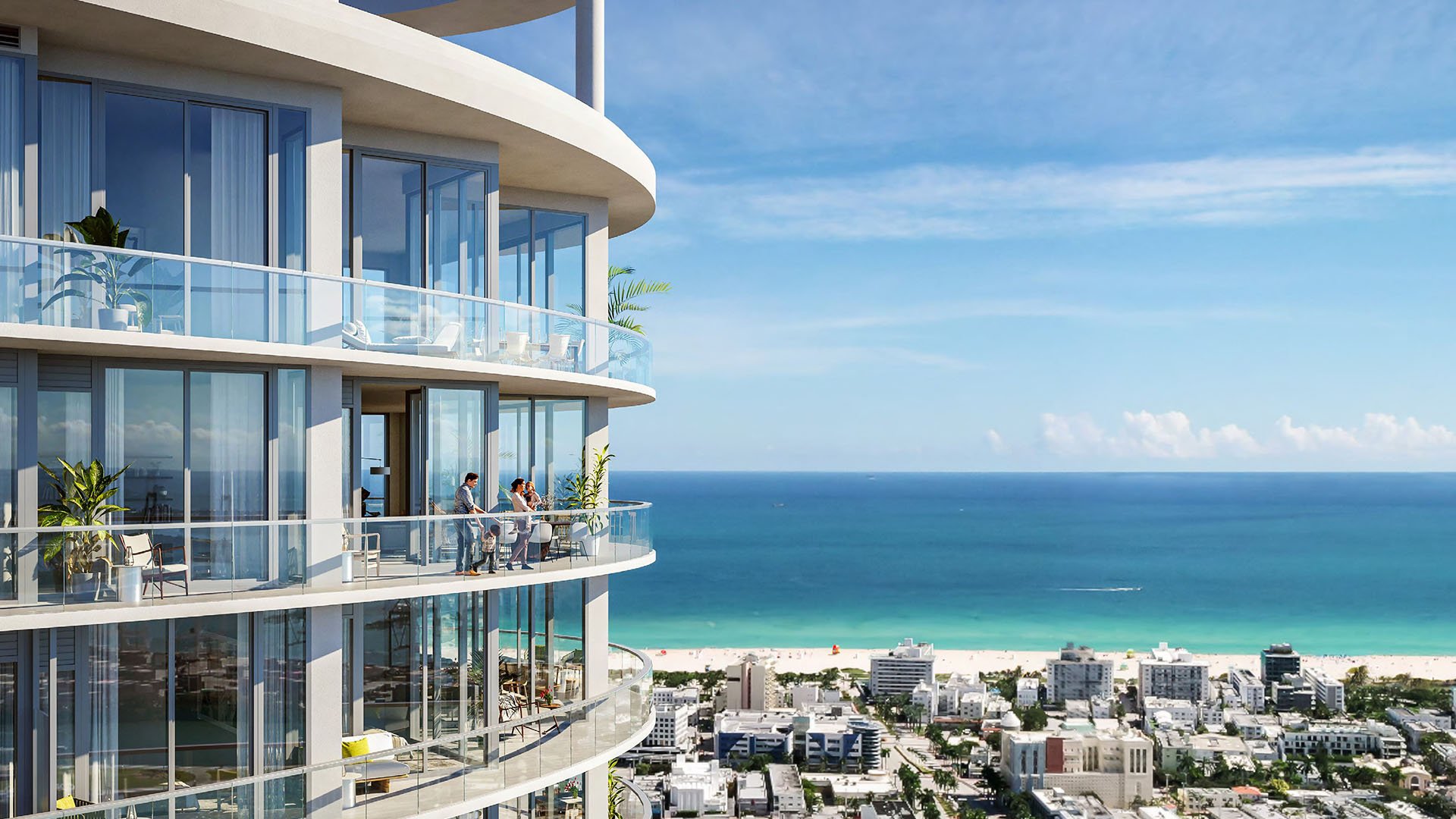
Yet waterfront ownership is not automatically easier. Proximity to water requires rigor around humidity, light, maintenance and resilience. Expansive glass can be seductive, but art rarely benefits from uncontrolled sun exposure. A balcony with dramatic views may be perfect for entertaining, while the interior wall opposite it may require careful treatment before it becomes appropriate for sensitive works. The best estates resolve these questions quietly through planning, rather than improvisation.
In Miami Beach, the collector’s choice often turns on the balance between culture, beach access and discretion. A residence such as The Perigon Miami Beach may appeal to buyers seeking a refined coastal setting without taking on the full operational demands of a single-family property. Nearby, Shore Club Private Collections Miami Beach can enter the conversation for owners who want the atmosphere of an iconic district with a residential experience oriented around service.
For some collectors, however, the most important luxury is separation. Fisher Island, Key Biscayne, Surfside and select estate neighborhoods can offer a different kind of privacy, one shaped by arrival sequence, landscape and limited exposure. A buyer evaluating The Residences at Six Fisher Island is likely asking a different question from a buyer focused on a dense urban tower: not just how the art is displayed, but who sees the owner arrive, who controls access and how quietly the residence functions when the owner is away.
First, test climate and light. South Florida’s beauty is inseparable from heat, humidity and intense sun. Whether the residence is a condo or estate, a collector should evaluate glazing, window treatments, HVAC zones, storage locations and how artworks will sit throughout the day. The prettiest wall may not be the safest wall.
Second, test logistics. Ask how art enters the property. In a condo, that means elevators, loading docks, service corridors and scheduling. In an estate, it means driveways, gates, covered delivery areas, ceiling heights and the path from crate to final placement. A spectacular room is less useful if a major work cannot reach it without risk.
Third, test privacy. A collector’s home may contain objects that are financially valuable, culturally meaningful or deeply personal. Staff protocols, guest access, cameras, parking and vendor management should be reviewed with discretion in mind. A boutique building may feel intimate, but intimacy is only an advantage when the operating culture is aligned with the owner’s expectations.
Fourth, test future flexibility. Collections evolve. A young collector may begin with wall-based works, then move into sculpture, design, photography or installation. The right residence should not lock the owner into one curatorial mode. Flexible lighting, strong walls, storage options and adaptable entertaining rooms preserve optionality.
If the collection is compact, frequently rotated and paired with a travel-heavy lifestyle, a full-service condo may be the more elegant solution. It reduces daily management and places the owner within a curated service environment. If the collection is large, installation-driven or central to entertaining, a waterfront estate may provide the freedom that serious collecting eventually demands.
There is also a middle path. Some buyers maintain a condo for season, events and ease, while keeping an estate or dedicated home elsewhere for deeper display and storage. Others choose a large residence within a highly serviced building, effectively seeking the scale of a private home with the operating discipline of a staffed property. The correct decision is not about prestige. It is about alignment between architecture, operations and the way the collector actually lives.
For South Florida’s art audience, the strongest residence is the one that makes stewardship feel effortless. It protects the work, calms the owner and allows beauty to remain part of everyday life.
Is a full-service condo better for art collectors who travel often? Often, yes. A staffed building can simplify access control, vendor coordination and day-to-day oversight while the owner is away.
Can a waterfront estate be safe for important artwork? Yes, if climate, light exposure, security and maintenance are planned carefully from the beginning.
What should collectors inspect before buying a condo? Review elevator dimensions, loading procedures, service access, wall conditions, lighting options and association rules.
What should collectors inspect before buying an estate? Study delivery routes, humidity control, window exposure, storage areas, staff circulation and room proportions.
Are high-floor condos ideal for art? They can be, but view glass, sunlight and installation logistics must be evaluated before selecting key display walls.
Does an estate offer more privacy than a condo? It can, especially with controlled arrival and landscape buffering, but staffing and vendor protocols remain essential.
Should collectors prioritize wall space or service? Both matter. Wall space supports display, while service determines how safely and discreetly the collection is managed.
Is Miami Beach practical for collectors? Yes, for buyers who value cultural proximity, coastal living and refined condominium or residential options.
Does Brickell work for serious collectors? Yes, particularly for buyers who want urban access, full-service living and a residence that supports frequent travel.
What is the best overall choice? The best choice is the home whose architecture, logistics, privacy and maintenance match the collection’s needs.
When you're ready to tour or underwrite the options, connect with MILLION.
If branded residences are on your mind — as a home or as an allocation — we would be glad to share what we are seeing, privately.
Begin a quiet conversation