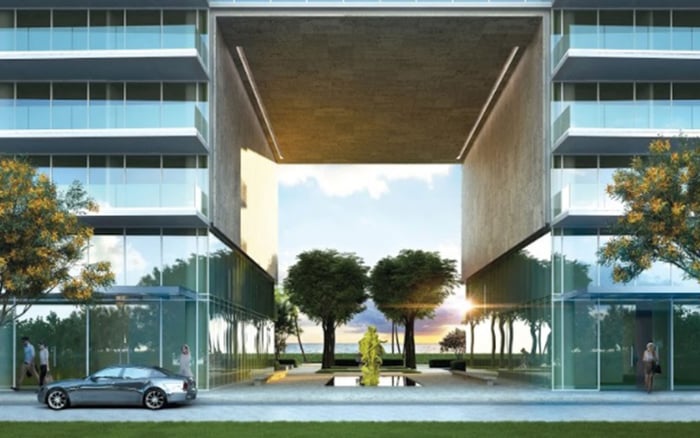
A buyer-focused development shortlist for Bal Harbour and Surfside, with the telecom, cybersecurity and emergency-power questions that should guide a private-aviation household’s purchase.
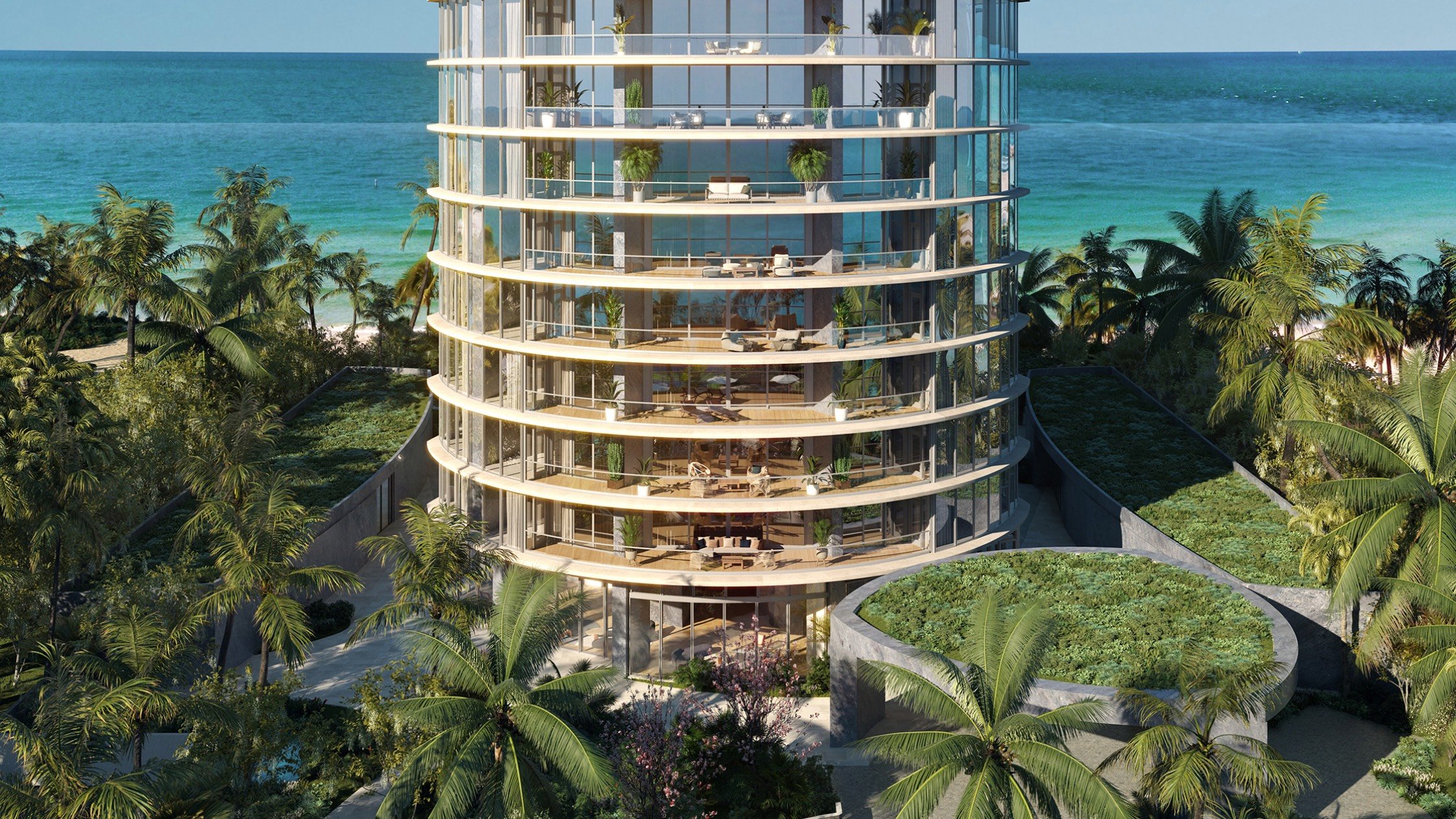
For a private-aviation household, a South Florida residence can be both a retreat and a working base. Luxury is not simply an ocean outlook or a generous floor plan. It is confidence that communications, access systems and private digital activity have received the same care as the architecture.
Bal Harbour and Surfside offer a compelling development shortlist, but architectural pedigree, pricing and boutique scale should remain separate from judgments about technology. The projects below merit consideration for their disclosed development characteristics. None should be treated as a demonstrated leader in telecom redundancy, cybersecurity or generator-backed network coverage without project-specific documentation.
For buyers considering Rivage Bal Harbour, the infrastructure conversation should begin alongside residence selection, not after it. The same discipline applies throughout this coastal corridor: distinguish what is designed, what is included and what will be tested before occupancy.
1. Rivage Bal Harbour: 10245 Collins Avenue
Rivage is a 56-residence development by Related Group and Two Roads Development, with architecture by Skidmore, Owings & Merrill. Its construction status and 2027 delivery target make it a candidate for buyers evaluating a future Bal Harbour base.
Entry-pricing figures range from approximately $8 million to $13.5 million, so a specific available residence and current written terms matter more than a headline figure. Its position here reflects development characteristics, not established network superiority. Request the telecom and emergency-power specifications before assigning it a resilience premium.
2. The Delmore: 37 residences in Surfside
The Delmore is a planned 12-story DAMAC development designed by Zaha Hadid Architects. Sales launched in January 2025, with a starting-price figure of $15 million. Its 37-residence scale places it within the corridor’s boutique development conversation.
That starting figure exceeds the approximately $13.5 million figure associated with Rivage, but price does not establish infrastructure quality. For a buyer who works across locations, the decisive questions concern carrier diversity, network administration and the precise equipment supported during an electrical interruption.
3. Hillcrest: 9165 Collins Avenue
Hillcrest is a 14-residence Fort Partners project, with homes of approximately 10,000 to 12,500 square feet. A $107.6 million construction loan provides a financing indicator, while residence size is its clearest distinction within this shortlist.
A substantial home warrants a detailed discussion of the intended network layout. Ask how residence-level equipment will connect to building infrastructure, who will maintain each layer and which components have backup-power coverage. Neither the small residence count nor the financing answers those questions.
4. Surf House at The Surf Club: 8995 Collins Avenue
Surf House is an 11-story, 19-residence project, with terraces approximately 12 feet deep. Its completion target is 2026, and its entry-pricing figure starts at approximately $8.5 million. Construction and delivery details should be reconfirmed, not treated as settled milestones.
Its limited residence count supports inclusion as a boutique option, not as evidence of stronger cybersecurity or fewer service interruptions. Request the same technical documentation here as at a larger development, including clear responsibility for shared systems and residence-level equipment.
When evaluating The Delmore Surfside, treat connectivity as a document review, not an amenity description. Request carrier identities, physically diverse entry routes, telecom riser drawings and documented failover arrangements. These are diligence requests, not confirmed project features.
The objective is to understand whether the proposed services depend on common infrastructure and how a disruption would be handled. Have the technical team trace the path from the carrier’s building entry to the residence, including the equipment and administrative responsibilities along that path.
A second service name is no substitute for an explanation of physical routing. Ask for a written account of what triggers failover, which connections remain available and how the arrangement will be tested. Keep residence-level choices distinct from building-wide commitments so that an owner’s installation is not mistaken for a condominium obligation.
A statement about emergency power does not fully answer the connectivity question. Request electrical one-line diagrams, emergency-power load schedules and UPS coverage for telecom rooms, switches, firewalls, Wi-Fi controllers and security servers. The task is to identify which components are covered, not merely to confirm that backup power exists somewhere in the building.
For buyers also considering The Surf Club Four Seasons Surfside, apply the same equipment-level inquiry without assuming its systems match those of Surf House. An address or related name does not replace a property-specific specification.
Ask the project’s technical representatives to reconcile the electrical documents with the network design. The review should address building equipment and anything required inside the residence. A buyer should understand where documented power coverage ends and where a separate owner-provided solution may be needed.
Privacy is an operating requirement, not a finish selection. Request network-segmentation plans, administrator-access controls, patching procedures, logging arrangements and incident-response responsibilities. These materials should explain who manages shared infrastructure and where responsibility shifts to the homeowner or a retained technology provider.
Ask how access is granted, reviewed and removed, and who is accountable when equipment needs attention. The goal is a clear management structure, not a broad assurance that a network is secure. Neither a small residence count nor a prestigious developer establishes the quality of these controls.
Have a qualified adviser review the proposed arrangements against the household’s needs. Separate preferences for private residential systems from commitments concerning common-area networks, building security and other shared services.
Treat pricing, construction labels and completion targets as snapshots requiring fresh confirmation. The corridor’s stated 2026-2029 delivery range is a market-level window, not a delivery promise for every candidate. Align purchase decisions with the schedule and specifications attached to the particular residence.
Private-aviation suitability deserves a separate review. Airport-transfer times and aviation-specific services are not established for these candidates; assess those requirements independently rather than treating a coastal location as sufficient evidence.
The strongest choice is the residence that satisfies both the household’s architectural preferences and its documented operating requirements. Keep technology questions in the purchase conversation until scope, responsibilities and verification are clear.
For a discreet conversation about matching coastal residences to your ownership priorities, connect with MILLION.
If branded residences are on your mind — as a home or as an allocation — we would be glad to share what we are seeing, privately.
Begin a quiet conversationNo. The ordering reflects development characteristics, while telecom redundancy, cybersecurity and emergency-powered network coverage require project-specific documentation.
Rivage is a 56-residence development at 10245 Collins Avenue by Related Group and Two Roads Development, with architecture by Skidmore, Owings & Merrill.
Published starting prices vary from approximately $8 million to $13.5 million, and its reported delivery target is 2027. Confirm current availability, pricing and schedule in writing.
The Delmore is a planned 12-story, 37-residence DAMAC development designed by Zaha Hadid Architects. Sales launched in January 2025, with reported starting pricing of $15 million.
Hillcrest’s reported residence sizes range from approximately 10,000 to 12,500 square feet. The Fort Partners project is identified as having 14 residences at 9165 Collins Avenue.
Surf House has a reported 2026 completion target. Its 19-residence, 11-story configuration and advertised starting price of approximately $8.5 million should be reconfirmed with current project information.
Request carrier identities, physically diverse entry routes, telecom riser drawings and documented failover arrangements. Review the proposed connection path through to the residence.
Request electrical one-line diagrams, emergency-power load schedules and UPS coverage details. Confirm which telecom rooms, switches, firewalls, Wi-Fi controllers and security servers are included.
Review network segmentation, administrator-access controls, patching procedures, logging and incident-response responsibilities. Establish who manages building systems and where homeowner responsibility begins.
No project-specific airport-transfer times or aviation services are established here. Evaluate those requirements separately from the residence’s location and development profile.