Bay Harbor Towers advertises an extensive wellness offering, but its everyday value depends on capacity, eligibility, reservations, and practitioner access. A buyer-focused guide to the written rules worth securing before relying on the lifestyle promise.
For a buyer at Bay Harbor Towers, the decisive wellness question is not simply what the building advertises. It is whether the facilities can support a preferred routine, accommodate invited guests, and admit trusted practitioners under clear, workable rules. A beautiful treatment space and a dependable appointment are different propositions.
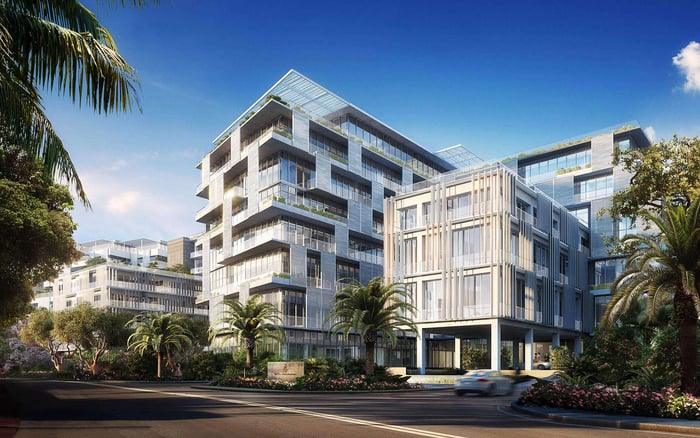
The property is listed at 10141 East Bay Harbor Drive, Bay Harbor Islands, Florida 33154. Its advertised wellness offering provides a substantial starting point for diligence, but amenity descriptions do not establish the full operating framework. A rule that is not publicly disclosed is a question to resolve-not evidence that no policy exists.
That distinction matters most when wellness is central to the purchase decision. Translate each lifestyle expectation into a written question about access, availability, responsibility, and cost.
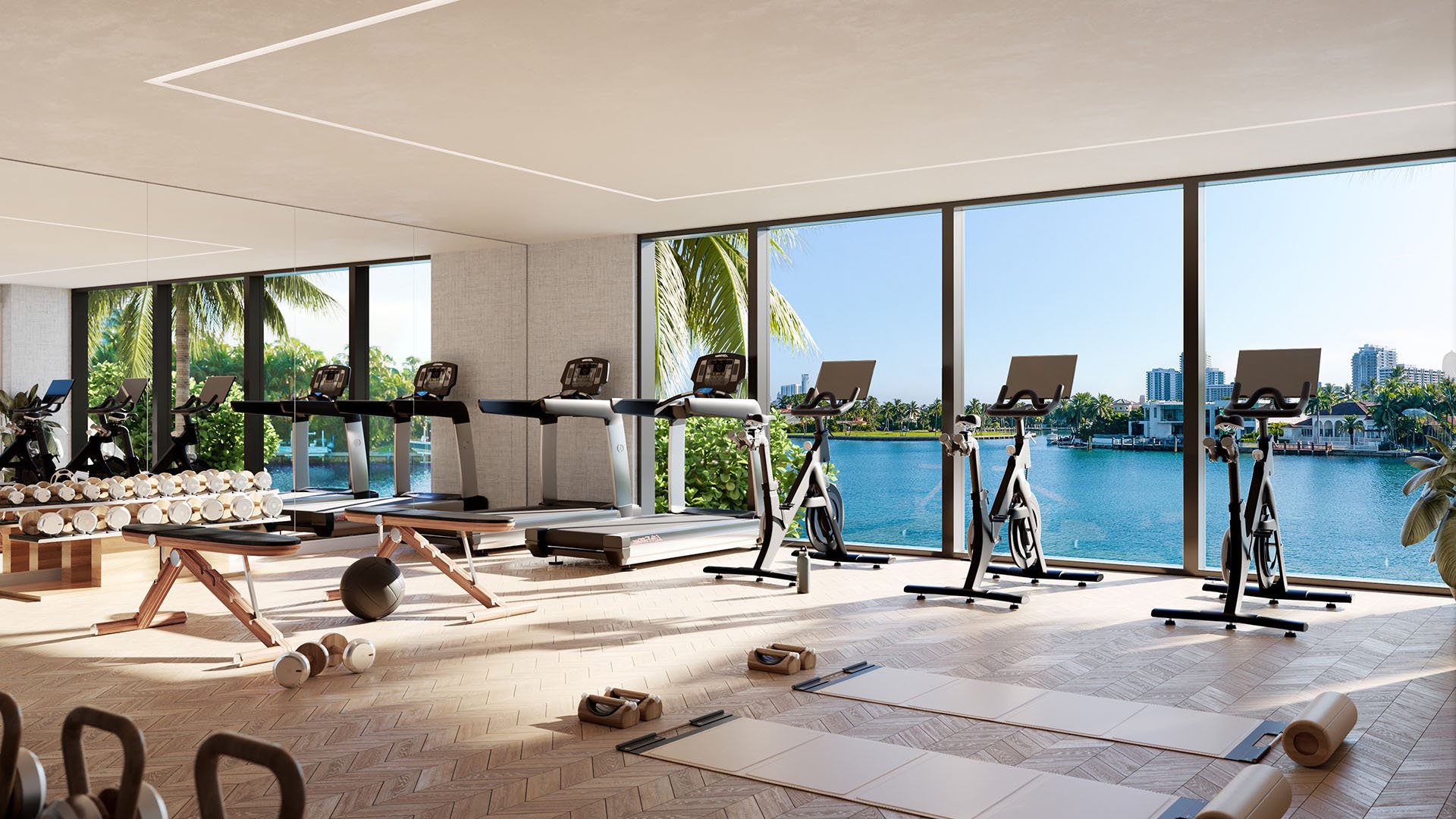
The advertised facilities include a 50-foot indoor saltwater lap pool, described as heated, alongside hot-and-cold plunge pools, a steam room, a sauna, and massage facilities. A Paragon-equipped fitness center and a separately identified yoga studio complete the advertised exercise offering. A rooftop pool and private marina are also identified, although neither establishes wellness-service capacity.
Wellness-area square footage, treatment-room and changing-room counts, and maximum simultaneous occupancy are not publicly specified. Neither are service hours or staffing levels. Massage facilities alone do not confirm a staffed spa, continuous treatment availability, or an included service.
Request a facility schedule that distinguishes physical amenities from bookable services. For each space, ask what is planned, which operating arrangements are documented, and which details remain subject to confirmation. This separation anchors the purchase decision to the experience a buyer intends to use.
The listed figure of 44 residences should be confirmed against the condominium offering documents. Even if confirmed, it is not a reliable proxy for quiet facilities or immediate availability. Residence count alone says nothing about simultaneous demand, guest participation, appointment duration, or the number of available practitioners.
Ask for written occupancy limits, treatment-room counts, staffing schedules, and reservation controls. For the lap pool, clarify whether use is open, reserved, or subject to session limits. For massage facilities, distinguish room availability from practitioner availability. For the fitness center and yoga studio, ask whether private instruction would affect other residents' access.
Then test a realistic scenario: a morning swim, a training session, and a treatment during your preferred hours. Request the applicable booking windows, advance-reservation limits, cancellation terms, and no-show fees. Seasonal restrictions and resident priority also require clarification; neither is specified in the advertised offering.
The same approach is useful if The Well Bay Harbor Islands is also on the shortlist. Apply the questions independently rather than assuming comparable names or wellness language imply equivalent operating rights.
The advertised offering does not establish identical wellness rights for owners, tenants, and other approved household occupants. Nor does it specify whether access and booking privileges attach to a residence, a named resident, an approved occupant, or an amenity credential. Resolve those distinctions before planning how a household will use the building.
Request a facility-by-facility access matrix covering owners, tenants, approved occupants, household employees, invited guests, and day guests. Each entry should address permission to enter, permission to reserve, accompaniment requirements, and applicable charges. Pool access should not be assumed to confer treatment-booking privileges.
For guests, ask about registration procedures, numerical limits, peak-period restrictions, and whether a resident must remain present. Separately, establish whether guests may book treatments independently and whether residents receive priority. The advertised amenity inventory establishes none of those privileges.
A buyer also considering Onda Bay Harbor should request the same matrix there. The objective is a like-for-like comparison of household usability, not an unsupported judgment about which property is more permissive.
The advertised massage offering does not identify an employee-operated service, an exclusive spa partner, a contractor model, or a resident-selected provider arrangement. Whether outside massage therapists, trainers, physical therapists, or yoga instructors may serve residents in the building is also not publicly confirmed.
Treat practitioner access as a series of separate permissions. First, ask whether the practitioner may enter to visit a private residence. Second, establish whether that person may work in common-area treatment, fitness, or yoga facilities. Third, clarify whether the resident or practitioner must reserve the space and who assumes responsibility for compliance and fees.
Request the requirements for licensing, insurance, screening, registration, and permitted working hours. Ask whether recurring providers need renewed approvals and whether an exclusive operator, if appointed, would limit resident-selected services. These are diligence questions, not confirmed restrictions at Bay Harbor Towers.
Address therapists, trainers, and caregivers separately. A household relying on a particular professional needs a specific answer for that person's role and intended activity-not a general assurance that visitors are welcome.
Request current drafts or applicable versions of the declaration, bylaws, house rules, amenity rules, and relevant management or operator agreements. Have counsel identify which document governs each material access promise and what amendment authority could affect it. A verbal description of convenience is no substitute for understanding the governing framework.
Organize the review around three practical deliverables: a capacity and service schedule, an eligibility matrix, and a practitioner-access protocol. Record each answer alongside the applicable document and version. Where an arrangement remains undecided, preserve that distinction rather than treating an expectation as an established entitlement.
For a broader search extending to Bal Harbour and Rivage Bal Harbour, carry the same checklist across the comparison. Differences should emerge from each property's written terms, not assumptions about location, design, or amenity presentation.
The strongest diligence outcome is not necessarily unrestricted access. It is a clear match between the building's documented arrangements and the buyer's priorities. Someone who values a regular swim may focus on hours and occupancy; someone with a trusted therapist may place greater weight on provider approval and permission to use treatment space.
Before relying on the wellness offering, identify which answers are essential, which are preferences, and which remain unresolved. Bay Harbor Towers' advertised facilities establish the scope of the opportunity. Written operating rules allow a buyer to judge how that opportunity could fit daily life.
For a discreet, buyer-focused perspective on South Florida residences, connect with MILLION.
If branded residences are on your mind — as a home or as an allocation — we would be glad to share what we are seeing, privately.
Begin a quiet conversationBay Harbor Towers is listed at 10141 East Bay Harbor Drive, Bay Harbor Islands, Florida 33154.
The advertised offering includes a heated 50-foot indoor saltwater lap pool, hot-and-cold plunge pools, a steam room, a sauna, and massage facilities. A Paragon-equipped fitness center and a yoga studio are also identified.
No; massage facilities alone do not establish staffing levels or service hours. Buyers should confirm whether services involve employees, an exclusive partner, contractors, or resident-selected practitioners.
No; the listed figure of 44 residences should be confirmed against the condominium offering documents. It does not establish demand, occupancy limits, or appointment availability.
Maximum simultaneous occupancy, wellness-area square footage, and treatment-room and changing-room counts remain unconfirmed. Buyers should request those details in writing.
Identical rights for owners, tenants, and approved occupants are not established. Request a facility-specific eligibility matrix that also identifies who may make reservations.
Guest eligibility, accompaniment requirements, limits, and independent treatment-booking privileges remain unconfirmed. Written rules should clarify each facility separately.
That permission remains unconfirmed. Ask separately about building entry, work inside a private residence, and authorization to use common-area facilities.
Request booking windows, reservation limits, resident priority, seasonal restrictions, cancellation terms, and no-show fees. Do not assume a particular policy applies without written confirmation.
Request current drafts or applicable versions of the declaration, bylaws, house rules, amenity rules, and relevant management or operator agreements. Counsel should identify the governing terms and how they may be amended.