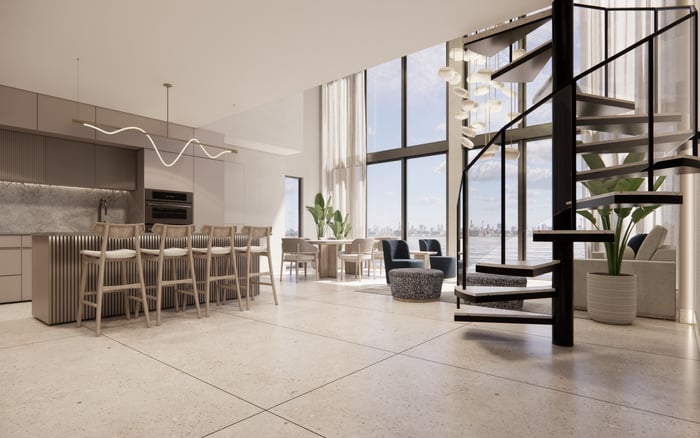
A practical framework for evaluating schools, household staffing, insurance, and seasonal ownership before purchasing a luxury residence in North Bay Village.

A move from Silicon Valley to North Bay Village can look simple on a map yet prove complex in practice. The decisive questions often extend beyond architecture: where children will study, who will run the household, how risk will be insured, and whether the residence can perform during long absences.
The most effective approach is to write an ownership brief before touring. Define the household calendar, likely number of occupants, school priorities, staffing expectations, guest patterns, vehicles, pets, storage needs, and tolerance for hands-on management. This turns an emotional search into a disciplined comparison without eliminating room for instinct.
For buyers considering Continuum Club & Residences North Bay Village, Shoma Bay North Bay Village, or another waterfront option, the relevant question is not simply which home is most beautiful. It is which one can support the intended daily rhythm with the least friction.
School strategy should begin with the child, not the residence. Families should document academic priorities, learning support, extracurricular interests, language preferences, commute tolerance, and the desired level of parent participation. A private-school search also warrants its own timeline, separate from the real-estate transaction.
Before relying on any route, test it during the hours the family would actually travel. Consider who will handle morning drop-off, afternoon activities, schedule changes, and travel days. If a driver or caregiver will be responsible, account for that role in the staffing plan and vehicle selection.
The school decision can also shape the ideal floor plan. Younger children may call for bedrooms near the primary suite, while older children may value acoustic separation and dedicated study space. Visiting relatives, tutors, or caregivers can create a need for flexible rooms rather than a formal guest suite used only occasionally.
Luxury households often work best when every role is defined in advance. Buyers should decide whether they need daily housekeeping, property oversight, childcare, driving, culinary support, or a coordinator capable of managing several vendors. The right structure depends on occupancy, entertaining habits, travel, and the owner’s preferred level of privacy.
Ask each building under consideration how staff and service providers enter, park, receive authorization, handle deliveries, and access the residence while owners are away. Determine whether the layout provides discreet circulation, secure storage for supplies, and an appropriate workspace. A residence may offer ample square footage yet remain operationally awkward.
Staffing costs should be modeled across a full year, even for a second home. Include recruitment, backup coverage, payroll administration, vendor supervision, and the possibility that seasonal demand may affect availability. Written protocols for keys, access credentials, confidentiality, purchasing authority, and emergency escalation help protect owner and staff alike.
Insurance review belongs early in due diligence, not at the end of the contract period. Before committing, buyers should request quotes for the specific residence, planned occupancy, ownership structure, renovation intentions, valuable contents, vehicles, watercraft, and any exposure related to domestic staff.
Compare more than the premium. Review limits, deductibles, exclusions, valuation language, temporary accommodation, water-related protection, liability, contents coverage, and requirements for vacant or intermittently occupied homes. Ask how the owner’s policy interacts with the building’s responsibilities, and have qualified insurance and legal advisers explain any gaps.
Building documentation warrants equal attention. Buyers should examine available insurance materials, budgets, maintenance responsibilities, reserve information, claims disclosures, and rules governing alterations. The objective is not to predict every event, but to understand which risks belong to the owner, which belong to the association, and which remain uninsured.
A seasonal residence should be designed to close, monitor, and reopen smoothly. Create separate checklists for departure, absence, storm preparation, vendor access, and arrival. Assign one accountable person to confirm that every task is complete rather than assuming multiple providers will coordinate among themselves.
The plan should address climate settings, leak detection, appliance shutdown, balcony or terrace items, vehicles, mail, deliveries, food storage, internet continuity, access logs, and scheduled inspections. Owners should also determine how quickly someone must respond to an alert and who has authority to approve urgent work.
When assessing Tula Residences North Bay Village, consider how the residence would function after weeks away. If the search expands nearby, The Well Bay Harbor Islands can be evaluated through the same operating lens. The comparison should prioritize access, oversight, storage, privacy, and ease of arrival-not finishes alone.
Create a file for every serious candidate. Include the proposed floor plan, school-route tests, staffing assumptions, insurance indications, association materials, renovation questions, parking needs, storage requirements, pet rules, and seasonal operating plan. Label each file consistently with the market language used in the search, including North Bay Village where relevant.
The file can also separate immediate costs from recurring ones. Purchase price is only one line. The fuller picture may include furnishings, window treatments, technology, security, insurance, staffing, maintenance, professional oversight, transportation, and periodic refreshes.
The central principle is straightforward: compare residences as operating environments. The right acquisition should support education, service, protection, and absence with the same elegance it brings to arrival.
When should families begin evaluating schools? Begin before narrowing the property shortlist so educational priorities and practical travel expectations can shape the search.
Should a school commute be tested in person? Yes. Test the route at the hours and on the days that most closely reflect the family’s likely routine.
What household roles should be considered first? Start with property oversight, housekeeping, childcare, driving, culinary support, and vendor coordination, then determine which roles are necessary.
Does a larger residence always work better for staff? No. Access, circulation, storage, workspace, privacy, and service procedures can matter as much as total area.
When should insurance quotes be requested? Request property-specific indications early enough for coverage terms and potential gaps to inform the purchase decision.
What insurance details deserve close review? Examine limits, deductibles, exclusions, valuation provisions, liability, contents protection, vacancy conditions, and the division of building responsibilities.
Who should oversee a home during long absences? Designate one accountable person with written authority, clearly defined inspection duties, and an emergency escalation protocol.
What should a seasonal departure checklist include? Cover climate controls, water risks, appliances, outdoor items, deliveries, vehicles, access permissions, inspections, and alert response.
How should buyers compare North Bay Village projects? Apply the same ownership brief to each, then compare layout, access, oversight, privacy, storage, and operational fit.
Which advisers should review the final plan? Engage appropriately qualified legal, tax, insurance, education, and property-management advisers for the buyer’s circumstances.
To compare the best-fit options with clarity, connect with MILLION.
If branded residences are on your mind — as a home or as an allocation — we would be glad to share what we are seeing, privately.
Begin a quiet conversation