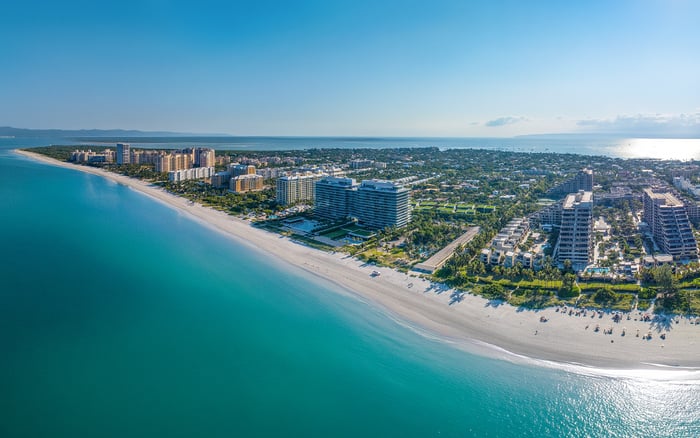
For seasonal buyers in Key Biscayne, the most consequential luxuries may be discreet access, disciplined staff procedures, privacy controls, and a clear plan for periods when the residence is unoccupied.

For a seasonal owner in Key Biscayne, the defining residential experience may begin long before the front door opens. It lies in how an arrival is recognized, a guest received, a vendor screened-and how little of that choreography is visible to anyone who does not need to see it.
Security and privacy should therefore be treated as operating disciplines, not amenity language. Cameras, gates, staffed desks, private elevators, and digital credentials can be reassuring, but their value depends on the procedures surrounding them. A sophisticated buyer should ask not only what equipment exists, but who manages it, how exceptions are handled, and what happens when the owner is away.
A polished tour can reveal finishes and proportions. It rarely shows how a residence performs under pressure. Buyers should request a practical explanation of access control throughout the entire journey: vehicular entry, pedestrian arrival, lobby passage, elevator use, service access, parking, deliveries, and entry into the private residence.
The essential questions are procedural. Who may authorize a guest? Can permission be limited by date or time? What happens when instructions conflict? How are household employees identified? Who can issue, cancel, or replace a credential? Is there a record of access changes? A gated-community label may describe a physical condition, but it does not explain the rigor of day-to-day operations.
At Oceana Key Biscayne, prospective buyers can use a visit to test this broader line of inquiry. The purpose is not to presume a particular answer, but to observe how clearly the residential team explains the chain of control.
Privacy is not a single feature. It is a sequence of layers that should remain coherent from the street to the residence. A buyer can begin by mapping every route used by owners, guests, household staff, contractors, deliveries, and emergency personnel. Where do those paths intersect? Which names, unit details, schedules, or vehicles are visible at each point?
This exercise is especially relevant to waterfront living, where a residence may have several practical approaches or service touchpoints. The objective is not total isolation, but controlled visibility, with information shared only when it serves a defined operational need.
Comparative tours can sharpen the evaluation. Palazzo della Luna and The Residences at Six Fisher Island can serve as reference visits for posing the same questions in different residential settings. Consistency matters: apply one privacy checklist everywhere rather than allowing architecture or branding to redirect the conversation.
A second home requires two security plans. The first governs occupied periods, when family members, guests, drivers, and household staff may create a shifting pattern of access. The second governs periods of absence, when the owner needs oversight without unnecessary exposure.
Before closing, define who may enter during an absence and under what conditions. That may include property managers, cleaners, maintenance personnel, designers, contractors, and invited guests. Permissions should be specific enough to prevent informal workarounds. Buyers should also ask how the residential team responds to a request from an unfamiliar assistant, a last-minute vendor, or someone claiming urgency.
The absence plan should address key custody, credential cancellation, scheduled inspections, delivery handling, incident notification, and escalation authority. It should identify who contacts the owner, who may enter in an emergency, and who documents the resolution. The finest protocol is calm, legible, and repeatable.
Security can be strong without making daily life theatrical. In a well-considered system, regular users understand the rules, guests receive clear instructions, and staff members know where judgment ends and escalation begins. Friction should be concentrated at points of uncertainty, not imposed equally on every interaction.
This distinction is useful when comparing Key Biscayne with other luxury markets. A visit to The Ritz-Carlton Residences® Miami Beach offers another setting in which to examine the arrival sequence, guest authorization, service circulation, and staff communication. The goal is not to declare one model universally superior, but to determine which operating style best matches the owner’s household.
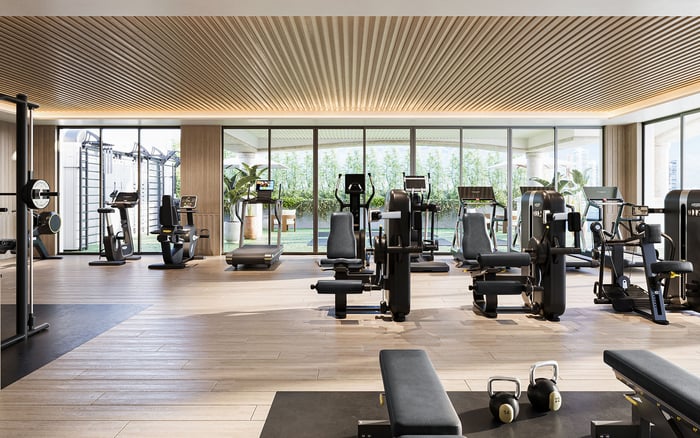
Lifestyle still matters, of course. Yet a beautiful pool, club room, or wellness space cannot compensate for ambiguity around access or information. Privacy is most persuasive when it feels uneventful.
Ask for specific answers rather than broad assurances. Who supervises security personnel? Which responsibilities belong to management, the association, the owner, or an outside provider? How are policy changes communicated? Can the owner establish standing instructions, and how are they verified?
Then introduce realistic scenarios. A family member arrives early. A housekeeper changes. A contractor needs temporary access. A credential is lost. A guest requests entry without reaching the owner. A leak or alarm occurs during an extended absence. The quality of the response reveals more than brochure language because it exposes accountability, communication, and exception handling.
Finally, consider digital discretion. Ask what personal information is collected for access, who may view it, how corrections are made, and how former staff or vendors are removed. Buyers do not need technical theater. They need a concise, intelligible explanation of control, retention, and responsibility before committing.
Why should seasonal owners prioritize protocols over amenities? Protocols govern access, privacy, and response during occupied and unoccupied periods, while amenities primarily shape leisure and convenience.
What is the first security question to ask? Ask who has the authority to approve, modify, and revoke access for every category of visitor and service provider.
Should buyers rely on visible cameras and gates? No. Visible hardware should be evaluated alongside staffing, authorization rules, documentation, maintenance, and escalation procedures.
How can a buyer assess privacy during a tour? Trace the routes used by residents, guests, staff, vendors, deliveries, and emergency personnel, noting where identities or routines may become visible.
What should an absence plan cover? It should address credential control, authorized entry, inspections, deliveries, incident notification, emergency authority, and documentation.
How should household staff access be managed? Access should be role-specific, easy to update, and promptly revocable when responsibilities or personnel change.
Are private arrival features enough to ensure discretion? Not alone. Their effectiveness depends on operating rules, information handling, service circulation, and staff consistency.
What scenario best tests guest procedures? Ask what happens when an expected guest arrives but the owner cannot immediately confirm entry.
How should competing residences be compared? Use the same scenario-based checklist at each property so design, branding, and amenities do not obscure operational differences.
When should security expectations be clarified? Resolve material questions before an offer, then confirm applicable procedures and owner responsibilities during due diligence.
To compare the best-fit options with clarity, connect with MILLION.
If branded residences are on your mind — as a home or as an allocation — we would be glad to share what we are seeing, privately.
Begin a quiet conversation