Tula Residences’ advertised wellness amenities invite a more exacting buyer conversation: what will be staffed, maintained, funded and measured? A practical guide to separating design intent from a durable residential service commitment.
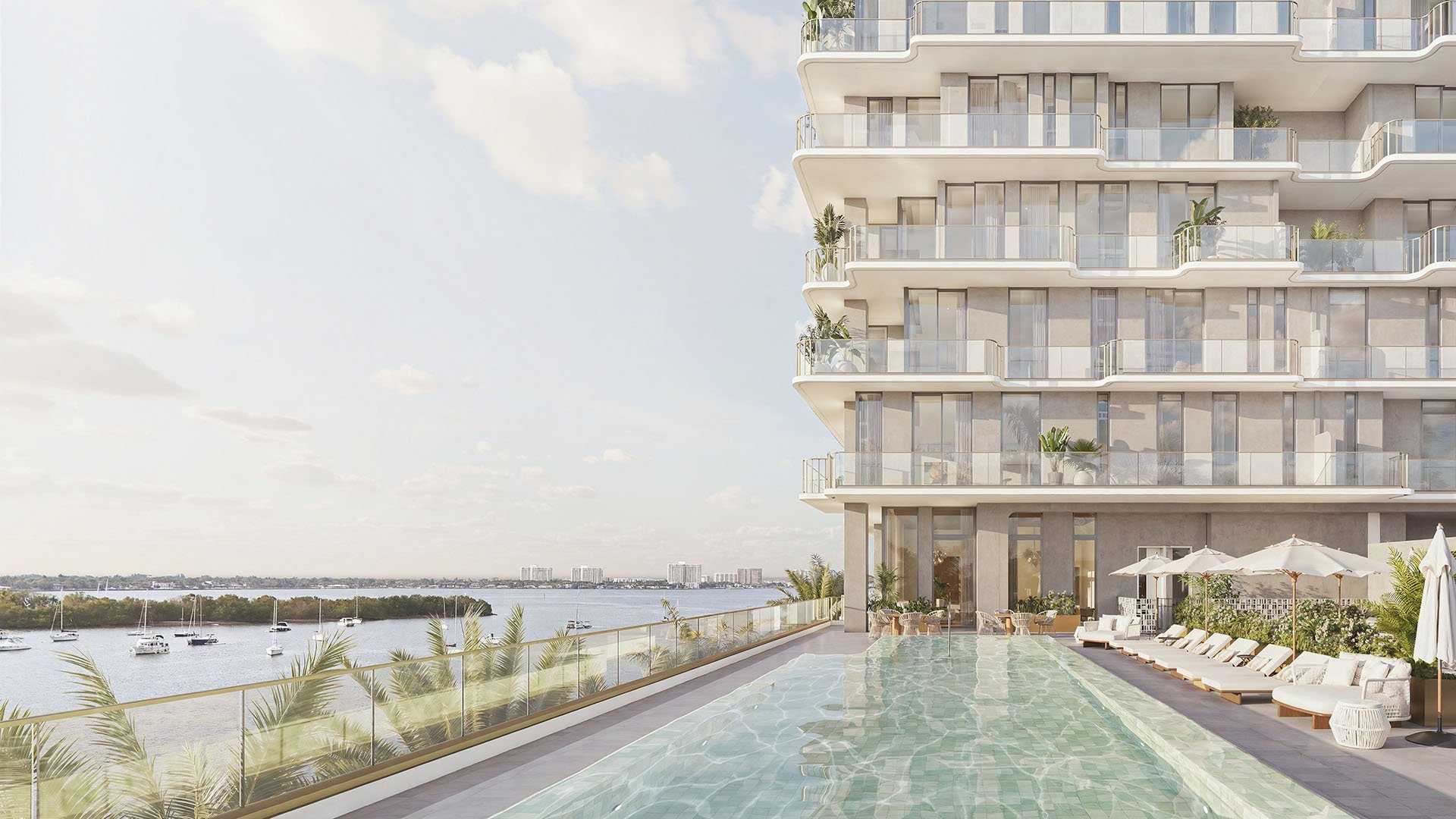
At Tula Residences North Bay Village, the appeal begins with an intimate waterfront proposition: a development at 7918 West Drive, marketed with 54 residences across 21 stories. Its advertised pool, fitness and wellness center, social rooms and concierge service suggest a home designed around daily ease.
For a discerning buyer, the essential distinction is between the space on offer and the service that will sustain it. A beautifully equipped fitness room is a physical asset. Its cleanliness, availability and reliability depend on an operating plan. Wellness branding becomes meaningful when those details are documented, funded and assigned to someone accountable.
A detailed operating plan for Tula is not documented here. That does not mean no plan exists; it is a reason to request one before assigning lasting value to the promise.
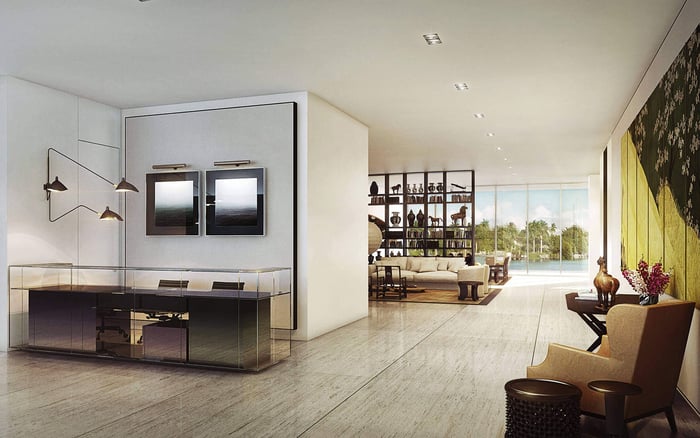
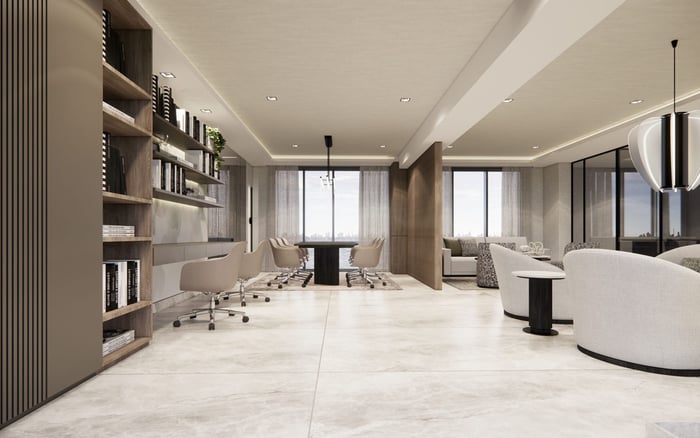
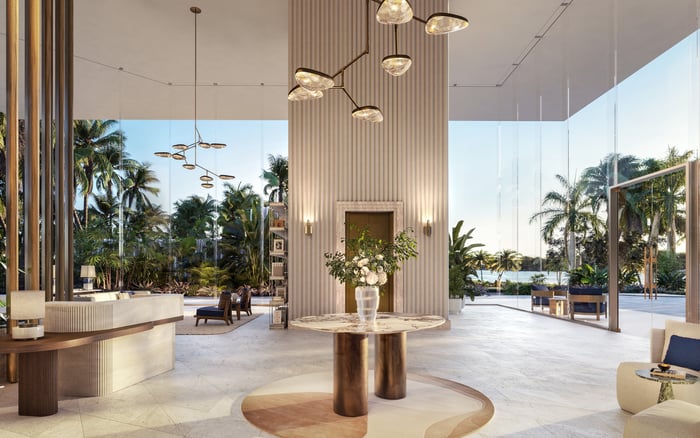
The advertised sixth-floor amenity deck centers on an infinity-edge pool, with landscaping and private cabanas. The wellness center is described as a fitness facility with state-of-the-art equipment. Other advertised amenities include a pet spa, media room, Skyline Club Room, private dining room with a warming kitchen and a residents’ lounge overlooking the bay.
These descriptions are useful, but buyers should not expand them by inference. A wellness center does not establish a staffed spa for residents, sauna or clinical program. A pet spa does not establish veterinary services. A warming kitchen is not a promise of catered dining.
Request current written amenity specifications covering equipment, furnishings, access arrangements and any separate charges. Establish which features are included in the purchase documentation and which remain subject to revision. Buyers considering Continuum Club & Residences North Bay Village alongside Tula should ask the same questions of each, without assuming comparable services from comparable language.
The marketed 54-residence scale is central to Tula’s boutique positioning. Yet residence count alone cannot establish privacy, uncrowded access or attentive service. Those qualities require rules and resources aligned with how owners actually use the building.
Begin by distinguishing access hours from staffed hours. A fitness room may be accessible without an attendant; a concierge desk may handle requests without providing fitness supervision. Ask whether wellness staff are contemplated, what their responsibilities would be and how absences would be covered. If classes or personal training are discussed, clarify providers, scheduling, fees and whether a programming budget exists.
Apply the same discipline when comparing Tula with The Well Bay Harbor Islands. Rather than treating a name as proof of a particular service level, compare written commitments. What matters is not which vocabulary sounds more restorative, but what an owner can reasonably expect on an ordinary weekday.
Maintenance deserves the same attention as finishes. For the pool and deck, request the proposed cleaning schedule, inspection responsibilities, equipment servicing arrangements and procedures for notifying residents of closures. Cabanas and outdoor furnishings also need assigned care; their appearance cannot be taken for granted.
For the fitness center, ask how often surfaces and equipment will be cleaned, who records completion and how defects are escalated. Equipment warranties are useful, but buyers should also ask about preventive servicing, repair authorization and replacement funding. A warranty alone does not establish how quickly a machine returns to use.
Useful measures to propose include cleaning completion records, equipment downtime, repair response targets and closure notices. These are standards to request, not confirmed Tula practices. The distinction matters: an attractive specification describes what should arrive; a maintenance plan explains how it is intended to remain usable.
Tula advertises 24-hour concierge service. Unlike a lounge or media room, this is an explicit service commitment, making its scope especially important.
Ask whether coverage means a continuously staffed on-site desk, how shift handovers work and what happens during breaks or absences. Request a written division of duties among concierge, management and outside vendors. Do not assume that concierge coverage includes wellness supervision, pool attendance or every household request.
Response targets should distinguish acknowledgment from resolution. A useful service schedule would explain how routine requests are logged, who handles escalation and how residents receive updates. It should also identify who is responsible for reviewing performance.
Whether a search remains in North Bay Village or extends to Five Park Miami Beach, apply the same test: service hours describe coverage; duties and accountability define its practical value.
The proposed operating budget should connect advertised amenities with intended expenditure. Request identifiable allowances for staffing, cleaning, pool care, fitness equipment servicing, management and any promised programming. Ask separately about replacement reserves and the assumptions behind them.
Do not treat an advertised association fee as evidence that these needs are adequately funded. Instead, establish what the budget includes, what owners may pay separately and which costs depend on contracts not yet finalized. Ask who would bear an increase if the intended service level proves more expensive than budgeted.
Before committing, obtain the condominium documents, proposed operating budget and current written amenity specifications. Have counsel review how the purchase documents address amenity changes and service representations. Ask the development team to reconcile any differences among sales descriptions, specifications and budget assumptions in writing, rather than relying on a reassuring conversation.
A final diligence conversation should identify who will oversee the promised experience through delivery and association governance. Ask who selects service vendors, approves replacements, monitors performance and communicates changes to residents. Where a decision remains open, request its expected timing and responsible party.
Tula’s advertised combination of waterfront leisure, fitness and social space offers an appealing framework for residential life. The prudent buyer need not discount that appeal. Instead, distinguish three things: the physical amenity, its operating commitment and the funding intended to support it.
The strongest wellness proposition is not necessarily the longest amenity list. It is the one whose everyday experience can be understood before purchase and evaluated afterward. At this level of ownership, predictability is part of the luxury.
For a discreet perspective on South Florida residences and the questions behind their service promises, explore MILLION.
If branded residences are on your mind — as a home or as an allocation — we would be glad to share what we are seeing, privately.
Begin a quiet conversationTula Residences is a luxury waterfront condominium development at 7918 West Drive in North Bay Village.
Tula is marketed as a boutique tower with 54 residences and 21 stories.
The advertised offering includes a fitness and wellness center with state-of-the-art equipment, plus a pool and landscaped amenity deck. These descriptions do not establish verified operating performance.
The advertised amenity deck is on the sixth floor, with an infinity-edge pool as a central feature.
No; the wellness center description alone does not establish a staffed spa, sauna or clinical wellness program. Buyers should request written confirmation of any such services.
Request written details on on-site staffing, shift coverage, duties, response targets and escalation procedures. Advertised service hours alone do not define the scope of assistance.
A detailed operating plan is not documented in this article. Buyers should request it rather than conclude that no plan exists.
Ask for cleaning frequency, preventive servicing schedules, repair response targets and closure notification procedures. Identify who monitors completion and authorizes equipment replacement.
No; buyers should review the proposed operating budget and replacement funding to understand how staffing, upkeep and any programming are intended to be supported.
Request the condominium documents, proposed operating budget and current written amenity specifications. Have counsel review how purchase documents address service representations and possible amenity changes.