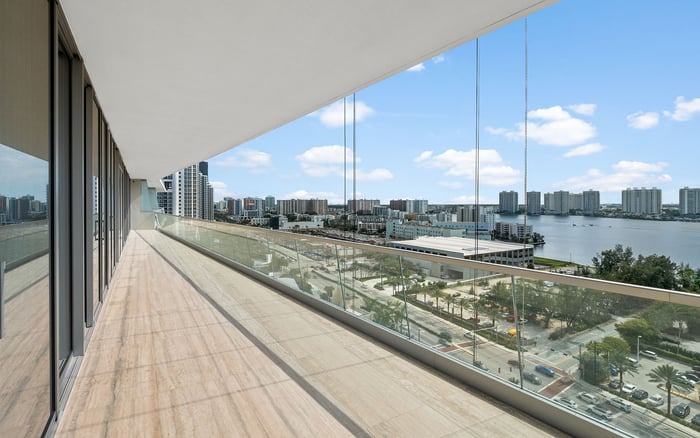
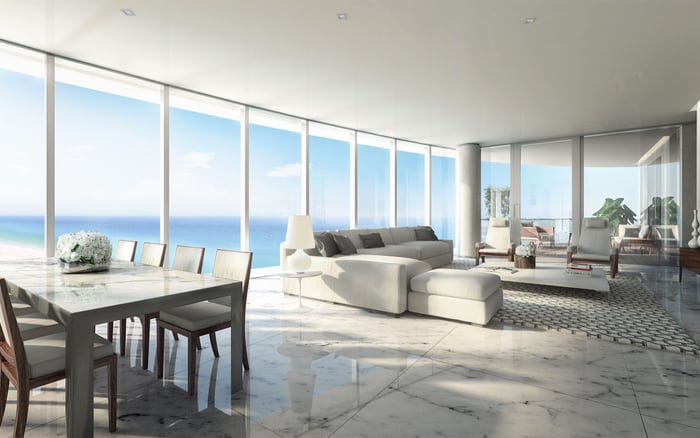
A buyer-focused guide to evaluating façade maintenance, balcony waterproofing, reserve planning, and any wind-driven-rain claims before taking ownership at Muse Residences Sunny Isles Beach.

At Muse Residences Sunny Isles Beach, a high-rise condominium in Sunny Isles Beach, the path from offer to ownership should include a close review of the building envelope. Alongside the residence itself, buyers should examine the records for façade joints, balcony waterproofing, and any documented water intrusion. The objective is not to presume a problem, but to establish what has been maintained, what work is planned, and who would be responsible for future work.
For a discerning purchaser, certainty deserves a place beside design. A polished terrace and a reassuring conversation cannot substitute for engineering records, completed repair scopes, and a funding plan. Before waiving contingencies, connect the unit inspection with association documentation and written determinations of responsibility. Together, they turn a technical review into a practical ownership decision.
Do not assign Muse a standard sealant-replacement interval without a building-specific engineering recommendation. Request the latest façade survey, the date and scope of the last work, and the engineer’s recommended maintenance interval. Ask whether the work involved comprehensive replacement or localized repairs, and which elevations and joint locations it covered.
Those distinctions matter to the purchase decision. A record of completed repairs does not establish that every façade joint was renewed. Have the reviewing professional reconcile the documented scope with the areas relevant to the residence, including window and sliding-door perimeters where applicable.
Request product specifications, available adhesion-test records, warranties, and completion documentation. Ask what the warranty covers rather than treating its existence as a promise of continuing watertightness. The goal is a clear chronology: observed condition, recommended intervention, completed work, and next review.
A buyer also considering Jade Signature Sunny Isles Beach should apply the same document-led questions separately. A comparison is more useful when each property is evaluated through its own maintenance history, rather than assumptions based on appearance or location.
For the balcony review, distinguish the visible finish from the waterproofing questions beneath and around it. A visual assessment cannot confirm the condition of every concealed assembly. Ask the inspecting professional to explain what can be evaluated during the inspection and whether the records suggest a need for further investigation.
Request balcony repair histories addressing coatings, drains, thresholds, and railing penetrations. Ask whether recurring leaks have been documented by stack or elevation, and whether any entries relate to the residence under consideration. These are inquiries, not assertions that Muse has recurring leaks or defective waterproofing.
Where work is documented, trace it through to completion. What condition prompted the repair? What scope was authorized? What evidence establishes that the specified work was performed? Keep the original concern, repair scope, and completion evidence together so that a cosmetic improvement is not mistaken for a documented waterproofing repair.
The goal is a professional assessment of present condition, supported by records-not an inference drawn from the balcony’s presentation.
Florida’s Structural Integrity Reserve Study framework includes waterproofing and exterior painting among the components evaluated for reserve planning. Based on a visual inspection, a SIRS evaluates the reserve funds needed for future major repair and replacement of common areas. It identifies covered components, estimates remaining useful lives and replacement costs, and recommends reserve funding.
Waterproofing analysis can encompass sealant joints, balcony and plaza-deck waterproofing, parking traffic coatings, and below-grade waterproofing. Ask which components the association’s study covers and how its recommendations relate to documented maintenance. Do not assume that a broad waterproofing category answers every question about a particular balcony.
Because the study is based on visual inspection, it is not a comprehensive destructive investigation of concealed assemblies or every façade joint. Read it as a planning tool, not a blanket assurance of watertightness.
A milestone inspection serves a different purpose: evaluating substantial structural deterioration. Florida’s framework generally applies to qualifying condominium and cooperative buildings with three or more habitable stories. The ordinary initial threshold is 30 years, subject to applicable statutory and local requirements, with inspections generally recurring every 10 years afterward.
The timetable begins with the certificate-of-occupancy date. Confirm applicable local requirements rather than assigning Muse a deadline based on coastal proximity alone. A milestone inspection is not a warranty that every window, door perimeter, coating, or joint is watertight.
Frame the inquiry neutrally: have any wind-driven-rain claims relevant to the building or residence been filed, denied, settled, or closed? The question should not imply that such claims exist at Muse. Seek available adjuster documentation, repair scopes, and completion evidence for any claims identified.
Separate a claim’s administrative status from the physical status of the repair. If a claim is described as closed, ask what that means and whether the related work has been completed. Have the appropriate professionals reconcile the claim documentation with the engineering and maintenance records.
Do not infer coverage, exclusions, deductibles, or responsibility for a particular leak from a general description of the event. Those questions require the relevant policy language, governing documents, and case-specific advice. For the buyer, the objective is a written understanding of any unresolved condition and obligation-not a broad assurance that insurance will handle it.
Before releasing contractual protections, review the technical findings and association finances together. Compare recommended work with reserve funding, pending assessments, and any written allocation of repair responsibility. Ask counsel to clarify unresolved obligations before deciding whether to proceed, seek further investigation, or negotiate an appropriate contractual response.
For purchasers comparing Muse with Armani Casa Sunny Isles Beach, this approach provides a consistent decision framework without suggesting that the buildings share the same condition, reserve position, or claims history. Each purchase deserves its own review.
Focus on how the documents relate to one another. An inspection finding, a reserve allowance, and a proposed repair may concern the same component without establishing the same scope or timetable. Ask the reviewing professionals to explain any mismatch in writing.
At closing, retain the relevant inspection findings, maintenance scopes, warranties, responsibility determinations, and evidence of completed work. Request written clarification of outstanding items and the appropriate association contact for follow-up. The purpose is continuity: ownership should begin with a coherent record, not a collection of disconnected assurances.
Luxury ownership is better supported when a residence’s appeal is matched by a clear understanding of its maintenance obligations. At Muse, let documented condition and funding guide the decision without assuming either a defect or a guarantee.
For a considered approach to your next South Florida residence, connect with MILLION.
If branded residences are on your mind — as a home or as an allocation — we would be glad to share what we are seeing, privately.
Begin a quiet conversationConnect the unit inspection with association engineering records, reserve funding, pending assessments, and written repair-responsibility determinations before waiving contingencies.
Request the latest façade survey, previous replacement scopes, product specifications, adhesion-test records, warranties, and the engineer’s recommended maintenance interval. Do not assume a fixed interval without building-specific documentation.
No. Review the scope to identify the elevations and joint locations included, and distinguish localized repairs from comprehensive replacement.
Request repair records addressing coatings, drains, thresholds, railing penetrations, and any recurring leaks by stack or elevation. Seek completion evidence for documented repairs.
A SIRS evaluates reserve needs for future major repair and replacement of common areas through a visual inspection. It estimates covered components’ remaining useful lives, replacement costs, and recommended reserve funding.
No. Its visual basis means it should not be treated as a comprehensive destructive investigation of concealed balcony assemblies or every façade joint.
A milestone inspection evaluates substantial structural deterioration, while a SIRS addresses reserve planning. Neither should be treated as a blanket warranty of watertightness.
The ordinary initial threshold is 30 years from the certificate-of-occupancy date, subject to applicable statutory and local requirements. Inspections generally recur every 10 years afterward.
No. Ask neutrally whether relevant claims were filed, denied, settled, or closed, and seek available claim documentation and repair-completion evidence if any are identified.
Do not make that assumption. Clarify the claim’s status and separately verify the repair scope and completion evidence, with coverage and responsibility reviewed through the relevant documents.