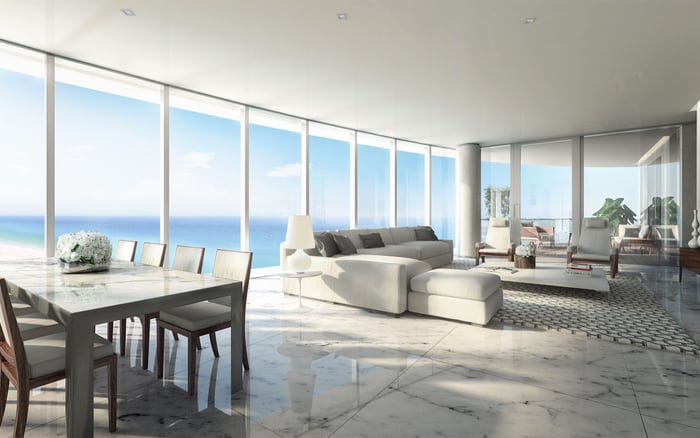
A disciplined inspection of glazing, balcony assemblies, leak history, warranties, and condominium records can reveal coastal liabilities before a Sunny Isles Beach purchase.
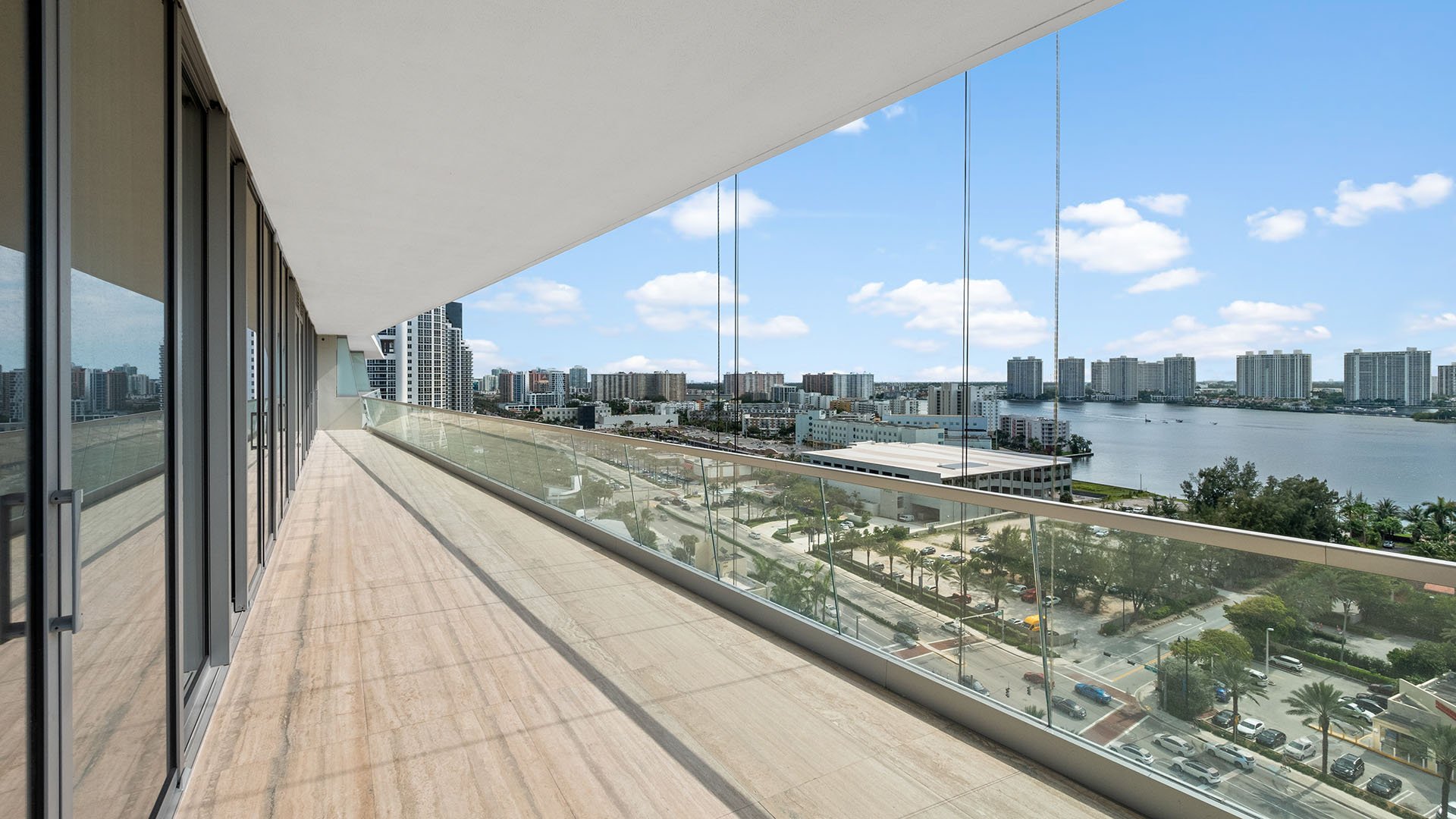
In Sunny Isles Beach, the view is inseparable from the coastal environment. Airborne salt, moisture, and direct exposure can affect window frames, balcony railings, hardware, fasteners, and protective finishes.
That does not make coastal ownership imprudent. It makes the quality of the building envelope, its maintenance history, and the association's financial planning central to value. Buyers comparing a resale residence with newer offerings such as Bentley Residences Sunny Isles should apply the same discipline to both: verify materials, installation details, maintenance obligations, and documentary evidence rather than relying on appearance or age alone.
At the coast, cosmetic deterioration can be an early signal of a performance problem.
White oxidation, pitting, chalking, blistered finishes, and stiff locks or handles warrant close attention. These conditions may indicate deterioration of protective coatings or components. Frames, railings, fasteners, and operable hardware deserve particular scrutiny when finishes are damaged or poorly maintained. Connections between different metals should also be inspected for concentrated deterioration.
The concern extends beyond aesthetics. Corrosion can compromise window operability, air and water tightness, and overall performance. Long-standing deposits may also etch glass and diminish clarity beyond the reach of routine cleaning.
During an inspection, examine frame corners, fastener heads, tracks, sills, locks, railing bases, and areas where coatings appear interrupted. Open and close every operable panel. Look for resistance, misalignment, staining, missing caps, sealant separation, and corrosion around metal connections. Photograph suspect conditions promptly so they can be evaluated before closing.
A buyer should identify the actual manufacturer, product series, frame material, finish, installer, and installation date for every window and door system. When considering buildings such as Jade Signature Sunny Isles Beach, request unit-specific documentation rather than assuming that one specification applies throughout the property.
A balcony is not simply tile, grout, and railing. Its performance depends on the waterproofing membrane, drainage path, slope, slab interfaces, adjoining walls, penetrations, and door threshold working together. A stain below a balcony or moisture near a sliding door may have more than one potential entry point.
Walk the surface after asking about prior repairs. Note whether drainage appears unobstructed, finishes are cracked or displaced, and railing bases or perimeter transitions show distress. Inside, inspect flooring and walls adjacent to doors, as well as ceilings beneath balconies where accessible. Discoloration, bubbling paint, efflorescence, musty odors, or repeated patching should prompt deeper investigation.
Caulk may be part of a repair, but it should not be accepted as a diagnosis. A professional water-intrusion investigation can assess leakage at windows, doors, façades, and their interfaces. This is particularly important when symptoms recur or appear only during wind-driven rain. In waterfront towers, water can travel behind finishes before emerging away from its entry point, so a visible stain may not identify the failed component.
The apparent physical boundary of a residence does not, by itself, determine who pays for a failed window, balcony membrane, railing, exterior wall, or structural slab. Responsibility depends on the condominium's governing documents and applicable requirements. Review the declaration before treating any repair as clearly belonging to either the owner or the association.
Request available inspection reports, reserve studies, reserve schedules, engineering reports, water-intrusion findings, repair contracts, and notices of pending assessments. Compare recommended work involving waterproofing, painting, windows, doors, and façades with the reserves maintained and the projects already approved or underway.
Read repair recommendations alongside contracts and assessment notices, because planned work can affect association spending, reserve use, and future owner contributions. This document review is relevant across the local luxury market, including St. Regis® Residences Sunny Isles and The Ritz-Carlton Residences® Sunny Isles. A prestigious name does not replace verification of the specific condominium's governing documents, maintenance records, repair scope, and reserve position.
Obtain both manufacturer and installer warranties. They may cover different events, periods, products, and remedies. Confirm who currently holds the claim rights, whether coverage transfers upon sale, which notice procedure applies, and whether required maintenance records have been preserved.
Read exclusions closely. A warranty may distinguish a manufacturing defect or insulated-glass seal failure from environmental corrosion. Salt air, coastal exposure, and aggressive environments may be treated differently from covered product failures. Also determine whether labor, access, finishes, removal, installation, and consequential interior repairs are included or excluded. A nominally valid warranty can still leave meaningful costs with the owner.
Ask for prior claims, service invoices, photographs, replacement records, and correspondence regarding recurring issues. Where possible, match model or serial information on installed products to the warranty documents. If visible deterioration exists, report and document it before closing.
Ask how exterior frames, tracks, sills, and hardware are cleaned and maintained. The practical due-diligence question is who can safely perform that work, what the condominium permits, what the manufacturer recommends, and whether the association or owner maintains inaccessible exterior components.
Cleaning is preventive care, not a cure. It cannot restore a failed coating, reverse a corroded fastener, repair a defective seal, or rehabilitate compromised waterproofing. Build future inspections, cleaning, hardware service, sealant review, and prompt documentation into the ownership plan.
The central principle is simple: assess coastal exposure, physical condition, legal responsibility, warranty enforceability, and reserve capacity as one connected system. For private guidance on evaluating Sunny Isles Beach opportunities, consult MILLION.
If branded residences are on your mind — as a home or as an allocation — we would be glad to share what we are seeing, privately.
Begin a quiet conversationLook for oxidation, pitting, chalking, blistered finishes, deteriorated fasteners, and stiff operable hardware.
Yes. Corrosion can impair operability, air and water tightness, and overall system performance rather than appearance alone.
Identify the manufacturer, product series, frame material, finish, installer, and installation date for each system.
Yes. Open and close each operable panel while checking for resistance, misalignment, staining, and sealant separation.
Not necessarily. The membrane, drainage, slope, slab interfaces, walls, and door threshold should be assessed as a complete assembly.
Water can travel behind finishes before appearing away from its original entry point.
Responsibility depends on the condominium's governing documents and applicable requirements, not solely on the component's apparent location.
Request available inspection reports, reserve studies, reserve schedules, engineering reports, repair contracts, leak findings, and assessment notices.
No. Coverage and exclusions vary, so buyers should review environmental exclusions, transfer terms, claim procedures, and maintenance requirements.
No. Cleaning is preventive care and cannot restore failed coatings, corroded fasteners, defective seals, or compromised waterproofing.