Collectors buying at The Ritz-Carlton Residences® Sunny Isles should make art-conservation planning part of closing and ownership. The review should address documented glazing performance, the residence’s actual light conditions, climate-system operation, suitable window treatments, and installation logistics before valuable works arrive.
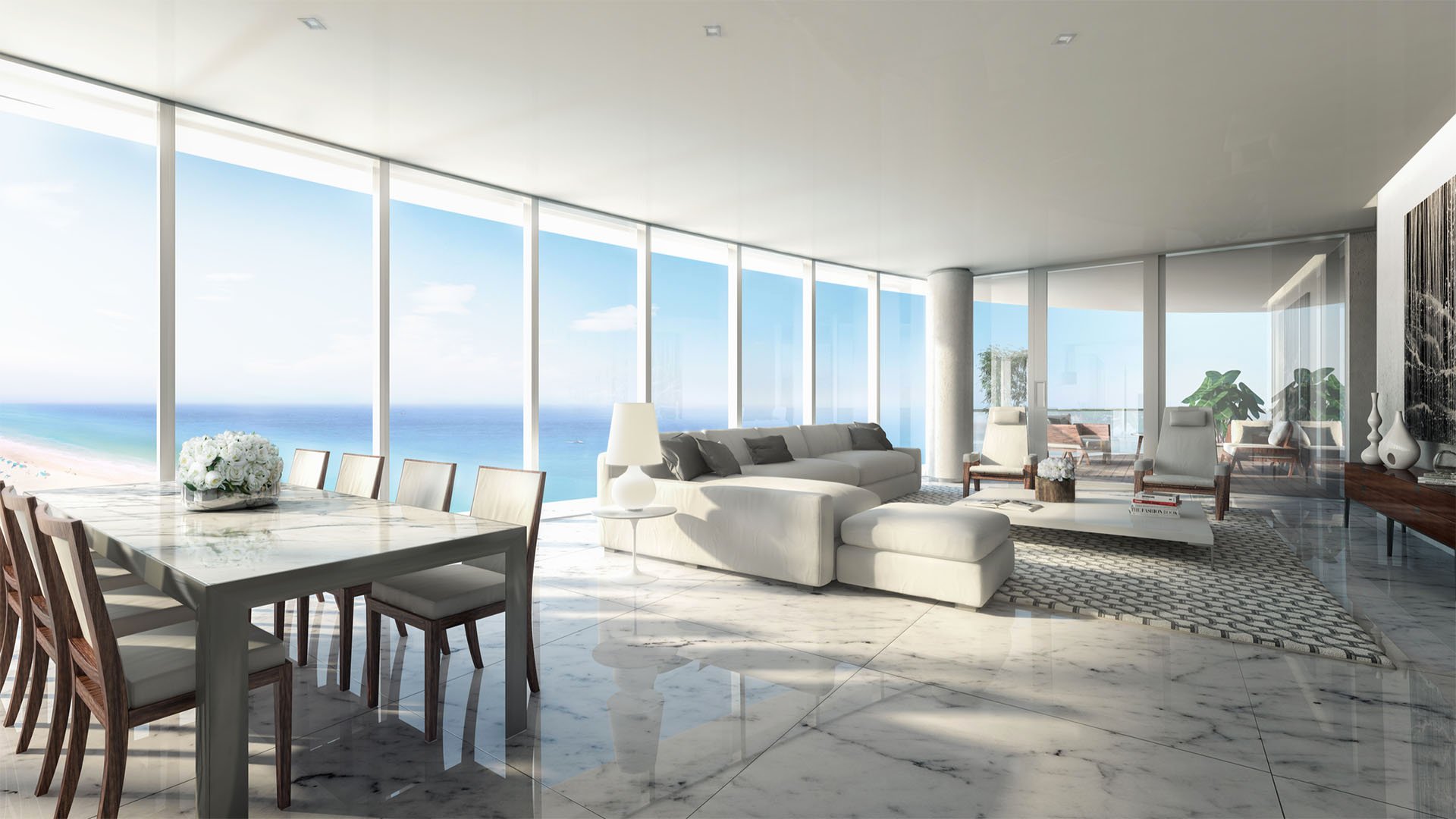
At The Ritz-Carlton Residences® Sunny Isles, an art collector’s closing review should extend beyond finishes and furnishings. Glazing documentation, natural-light conditions, climate-system operation, window treatments, and installation logistics can all affect how a collection is placed and managed.
Impact resistance should not be treated as proof of conservation-grade ultraviolet control. Before closing, request available records identifying the installed glazing and its documented UV-transmission and visible-light characteristics. If the documentation does not answer the collection team’s questions, a qualified specialist can assess the installed condition and recommend an appropriate response.
Impact resistance and art conservation answer different questions.
Addressing these issues early helps the collector determine which walls are suitable for sensitive works, what treatments may require approval, and whether the proposed installation plan is practical.
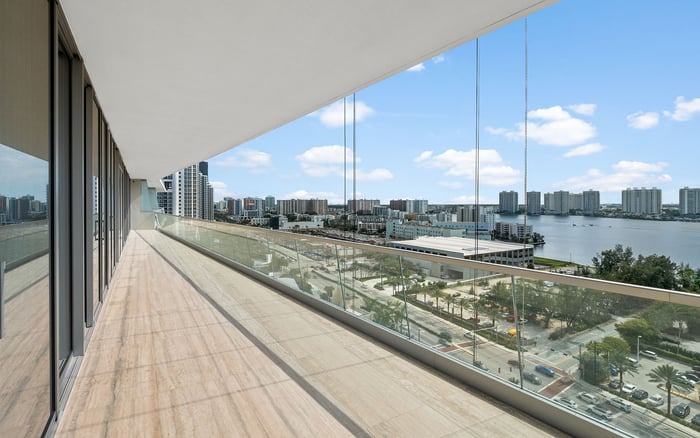
A light survey should consider the specific residence rather than relying on a general description of the building or its views. Orientation, interior layout, nearby surfaces, window treatments, and seasonal conditions may affect where direct or reflected light reaches the interior.
Visit or assess the residence at different times of day and record the conditions at every proposed display location. Note direct sun, glare, reflected light, and nearby windows or doors. More sensitive works may warrant locations farther from exterior glazing or additional protective measures selected with a conservator.
The same unit-specific approach is useful when comparing Bentley Residences Sunny Isles and St. Regis® Residences Sunny Isles. A project name, waterfront setting, or architectural rendering cannot replace an assessment of the residence under consideration.
The presence of blinds or shades does not establish their conservation performance. Request product information for any existing or proposed film, roller shade, drapery, or layered treatment, including available UV-transmission and visible-light data.
The collector’s team should define how each treatment will be used. A layered system may support different settings for changing light conditions, while automated controls may help create a repeatable routine. The appropriate approach depends on the collection, the residence, and the desired balance between protection and views.
Before ordering an aftermarket film or treatment, confirm compatibility with the glazing assembly and review any applicable warranty, condominium, alteration, and appearance requirements. Obtain the necessary approvals before procurement or installation. Early coordination also allows electrical and control requirements for motorized treatments to be addressed before artwork is placed.
Climate planning should focus on stable conditions suitable for the specific collection. During due diligence, test the residence’s HVAC operation, thermostat response, shade controls, and available monitoring equipment. Ask about any available records relevant to condensation, leaks, or water intrusion, and have concerns evaluated by the appropriate professionals.
A conservator can advise on the needs of individual works, while an HVAC professional can assess whether the residence’s systems and operating plan can support those needs. The review should account for occupied periods, extended absences, maintenance, alarm notifications, and the person responsible for responding to an alert.
Avoid relying on a universal temperature or humidity number without collection-specific advice. Different materials, framing systems, and installation methods may call for different precautions. The practical objective is a documented plan that the residence can maintain and the owner’s team can monitor.
Terraces and adjoining outdoor spaces should be evaluated separately from interior display areas. Before placing art in or near those spaces, consider sunlight, moisture, wind, access, security, and the work’s material sensitivity. A specialist should determine whether a proposed work and mounting method are appropriate for the intended location.
Indoor pieces near terrace doors or broad window areas may also require closer review. The art plan should identify potentially exposed locations and establish operating procedures for shades, doors, monitoring, and severe-weather preparation without assuming that one solution fits every work.
A pre-installation survey should connect each work to a proposed location. Record the work’s medium, sensitivity, dimensions, framing or mounting method, nearby glazing, light conditions, airflow, security requirements, and removal plan. Photograph candidate walls and note nearby doors, vents, wet areas, and circulation routes.
The survey should distinguish between decisions required before closing and work that can occur afterward. Documentation requests, alteration restrictions, treatment approvals, and access questions belong in the early review. Detailed light observations, system commissioning, treatment testing, and final placement can then be completed before delivery.
Large or delicate works require a documented route from arrival to final placement. Confirm elevator access, dimensions, load restrictions, reservation procedures, protective requirements, working hours, insurance requirements, and any limits that may affect installers. Do not assume that a work will fit based only on a floor plan.
The installation team should also plan staging, unpacking, temporary storage, wall preparation, security, and removal of packing materials. If a piece cannot travel through the intended route or requires structural support, identify that issue before transport is scheduled.
Closing is the beginning of collection management in the residence. Keep glazing records, treatment specifications, approvals, monitoring instructions, vendor contacts, installation photographs, and condition reports together. Assign responsibility for reviewing alerts, maintaining equipment, and updating the plan when artwork or furnishings move.
Reassess display locations after changes to shades, lighting, glazing, interior finishes, or room use. A disciplined record allows the owner, conservator, property team, and installers to make decisions from the same information rather than assumptions.
For discreet guidance on South Florida luxury residences suited to considered collection ownership, connect with MILLION.
If branded residences are on your mind — as a home or as an allocation — we would be glad to share what we are seeing, privately.
Begin a quiet conversationNo. Request documentation for the installed glazing rather than treating impact resistance as proof of UV performance.
Complete it before final artwork installation and observe the residence at different times of day.
Record direct sun, reflected light, glare, nearby glazing, and the conditions at each proposed display location.
Not necessarily. Review available UV-transmission and visible-light data for every proposed treatment.
Compatibility, warranty terms, condominium requirements, and necessary approvals should be confirmed before installation.
Test HVAC operation, thermostat response, shade controls, monitoring equipment, and any available moisture-related records.
No. A conservator should advise on suitable conditions for the specific works, with an HVAC professional assessing system performance.
Outdoor placement requires a work-specific assessment of light, moisture, wind, security, access, and mounting.
Confirm the delivery route, elevator dimensions, load restrictions, reservation procedures, protective requirements, and working rules.
Document each work’s medium, sensitivity, dimensions, proposed location, framing, light conditions, security needs, and removal plan.