A disciplined framework for integrating a Bal Harbour residence into a global portfolio, funding the closing without forced sales, and preserving personal reserve capital for ownership costs and assessments.

For an internationally diversified buyer, acquiring a Bal Harbour residence is not simply a transfer from cash to property. It introduces a large, illiquid position into a portfolio that may already span public securities, private investments, currencies, operating businesses, and homes across several jurisdictions. The first discipline, therefore, is allocation-not decoration.
The residence should be sized within an acceptable range rather than managed to a rigid target weight. Unlike a listed security, it cannot be trimmed quickly or predictably when markets move. Its portfolio weight may also shift as liquid assets fluctuate while the home's value remains largely static. A sensible investment policy recognizes that asymmetry before the contract is funded.
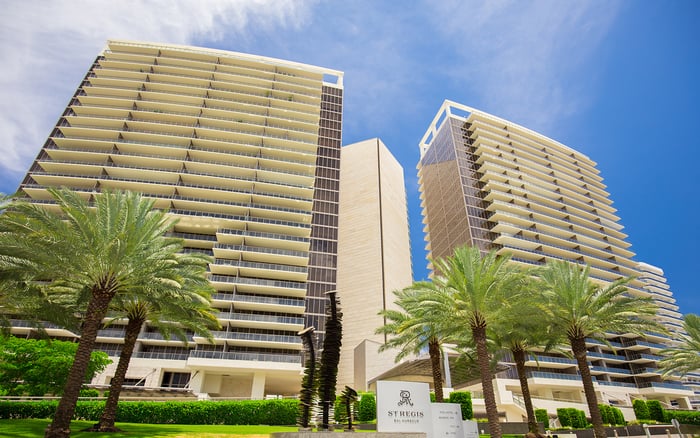
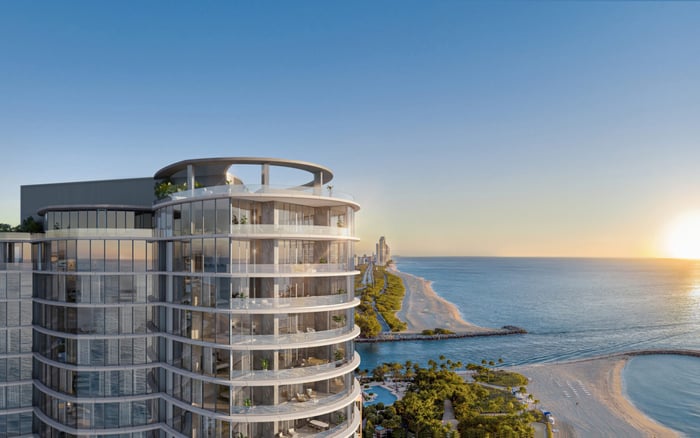
For a second-home purchase, the practical question is not merely whether the family can afford the acquisition. It is whether the global portfolio can absorb the purchase, transaction costs, and continuing obligations without compromising strategic liquidity. This distinction becomes especially important when evaluating highly serviced properties such as Oceana Bal Harbour or a newer offering such as Rivage Bal Harbour.
Systematic rules are more reliable than deciding which assets to sell under the pressure of a closing calendar. Before earnest money advances or major deposits become due, establish the residence's acceptable allocation range, identify the liquid sleeves that may fund the purchase, and define which holdings should remain undisturbed.
A practical policy might call for quarterly or semiannual reviews, with action triggered when an asset class drifts beyond a predefined threshold, such as 5% from target. The threshold is not a universal prescription. It simply illustrates how a family can replace emotion with an agreed decision rule.
After closing, the property itself will generally remain unchanged while liquid holdings perform the rebalancing work. Cash flows, bond maturities, distributions, and selective sales can gradually restore the broader portfolio toward its strategic allocation. This approach avoids relying on a rapid property sale as a source of liquidity.
A well-prepared buyer separates four uses of capital: the purchase price, transaction expenses, near-term carrying costs, and contingency reserves. Combining them into a single cash figure can make a closing appear fully funded while leaving the subsequent ownership period unnecessarily exposed.
For Miami luxury homes above $1 million, estimated buyer closing costs commonly range from 2% to 5% of the purchase price. Actual costs vary with financing, contract terms, title arrangements, taxes, and prepaid items. Potential components include title insurance, inspections, lender fees, mortgage-related documentary stamp tax, and prepaid taxes and insurance.
Financing adds another layer. Lender charges, prepaid interest, insurance, taxes, mortgage payments, and possible increases in association dues all compete for liquidity. A leveraged acquisition should therefore be modeled for both the closing date and the months that follow. The financing decision should not reduce the property reserve to a nominal balance.
This funding discipline is equally relevant when comparing Bal Harbour with nearby coastal alternatives. A buyer considering The Delmore Surfside or The Surf Club Four Seasons Surfside should still keep acquisition capital distinct from post-closing cash, even when service levels and ownership preferences differ.
Monthly condominium fees commonly support staffing, security, common-area utilities, routine maintenance, service contracts, and planned reserve contributions. The quoted fee is therefore only a starting point. The more consequential question is whether the association's current budget and reserves credibly address the building's obligations.
Before closing, review the association budget, reserve schedules, insurance information, engineering reports, inspection materials, and meeting minutes. Look for pending repairs, proposed capital projects, insurance pressures, or assessments that may not be apparent from the monthly fee alone. The association estoppel certificate also warrants close examination because it must disclose additional assessments, special assessments, and other amounts scheduled to become due during its effective period.
Florida's structural reserve rules prohibit condominium associations from waiving or underfunding reserves for eight components covered by a Structural Integrity Reserve Study. These include the roof, load-bearing walls, foundation, fire protection, plumbing, electrical systems, waterproofing, and windows and exterior doors. Associations existing on or before July 1, 2022, were required to complete a study by December 31, 2025.
If a study identifies underfunding, the response may include higher dues, a special assessment, or association borrowing. Each option affects owner cash flow. Legacy buildings that historically waived reserves may consequently show low past dues while carrying materially higher future costs. Historical fees should never be mistaken for a complete ownership forecast.
Adequately funded association reserves can reduce assessment risk, but they cannot eliminate it. Unexpected repairs, depleted reserves, major capital work, insurance deductibles, or unforeseen losses may still produce a lump-sum charge or limited-term assessment. Building-level reserves are no substitute for the owner's own capital buffer.
Personal property liquidity should remain separate from lifestyle cash. At a minimum, it should cover recurring dues, taxes, insurance, and credible assessment scenarios without requiring an untimely sale of investments. The appropriate amount depends on the residence, the association's financial condition, financing, and the buyer's wider obligations, making any single formula misleading.
The reserve should also be liquid in substance, not merely in name. Capital committed to private investments, pledged against other obligations, or dependent on a favorable market exit may prove unreliable when an assessment becomes due. The strongest structure favors accessible assets and clearly assigns responsibility for replenishing the reserve after use.
Immediately after closing, recalculate asset weights using the completed purchase and actual transaction expenses. This post-closing snapshot becomes the new baseline for monitoring concentration, currency exposure, and available liquidity. It also reveals whether closing costs or last-minute funding changes pushed the portfolio beyond its intended ranges.
Thereafter, follow the preset review schedule. Rebalancing can occur through new savings, distributions, maturities, or measured trades in liquid assets. The aim is not constant precision, but disciplined movement toward the strategic allocation while acknowledging that the residence remains illiquid.
Cross-border buyers should have current Florida counsel, tax advisers, and wealth managers verify legal requirements, ownership structure, and tax consequences. The portfolio policy, closing ledger, association review, and personal reserve plan should ultimately operate as one coordinated ownership framework.
For discreet guidance on selecting and acquiring a South Florida residence, connect with MILLION.
If branded residences are on your mind — as a home or as an allocation — we would be glad to share what we are seeing, privately.
Begin a quiet conversationTreat it as a major illiquid allocation held within an acceptable range, not as an asset that can be traded quickly to maintain a precise target.
Set the rules before funding the purchase so asset sales are guided by policy rather than closing pressure.
A practical schedule is quarterly or semiannual, with action based on predefined drift thresholds.
For Miami luxury homes above $1 million, estimated buyer closing costs commonly range from about 2% to 5%, although actual costs vary.
They may include title insurance, inspections, lender fees, mortgage-related documentary stamp tax, and prepaid taxes and insurance.
Review the association budget, reserve schedules, insurance information, engineering and inspection materials, meeting minutes, and the estoppel certificate.
It can fund major repairs, capital projects, insurance deductibles, or unexpected losses through a one-time or limited-term owner charge.
A building that previously waived reserves may face higher forward costs when structural reserve requirements reveal underfunding.
No. Unexpected projects or losses can still result in owner assessments, even when an association maintains reserves.
Recalculate global asset weights after closing, then use liquid holdings, cash flows, distributions, or maturities to move toward the strategic allocation.