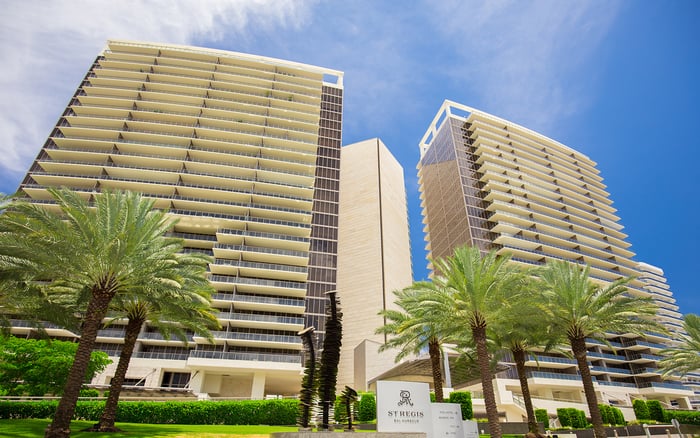
For Vancouver owners moving capital into Bal Harbour, disciplined planning means estimating property-tax carry from the buyer’s circumstances, distinguishing primary-residence use from second-home ownership, coordinating obligations across jurisdictions, and preparing for future resale timing.

Leaving Vancouver for Bal Harbour involves more than coordinating a sale and a purchase. The transition can include separate ownership, filing, occupancy, and payment dates in British Columbia and Florida, so the sequence should be documented before either transaction is finalized.
A practical chronology should identify the Vancouver disposition, the Bal Harbour closing, physical relocation, intended use of the Florida residence, and any filings that may apply. Current requirements should be confirmed with qualified advisers in both jurisdictions before action is taken.
A buyer should not treat the seller’s current property-tax bill as a complete forecast of future carrying costs. The acquisition model should instead use the expected purchase price, anticipated ownership structure, intended use, and closing date to develop a buyer-specific estimate.
Timing also deserves attention. An early bill may not provide a reliable picture of stabilized ownership costs, so the budget should include a reserve and a range for later bills. This approach is useful whether the search focuses on Oceana Bal Harbour or a newer offering such as Rivage Bal Harbour.
The analysis should separate a residence intended to qualify as a Florida primary home from a seasonal, second-home, or investment property. Eligibility for any exemption or assessment limitation should be reviewed against the owner’s actual circumstances rather than selected solely for a preferred tax outcome.
For a primary-residence scenario, the projection should test current exemption rules, assessment limitations, millage assumptions, and filing requirements. For a nonhomestead scenario, it should separately model assessment growth and school-related taxes under the rules in effect for the relevant year.
The distinction remains important when comparing Bal Harbour with nearby South Florida options such as The Delmore Surfside and The Well Bay Harbor Islands. The residence’s design, prestige, or location does not determine the owner’s tax classification.
A useful projection starts with acquisition and extends across the intended holding period. It should separate primary-residence and nonhomestead cases, identify school and non-school components where relevant, allow for changing millage assumptions, and show a range rather than a single fixed outcome.
The cumulative comparison is often more informative than the acquisition-year figure. Buyers should test how different ownership uses, assessment paths, and holding periods affect total carrying cost, while treating any exemption or portability benefit as conditional until eligibility is confirmed.
Portability requires particular care. A Vancouver ownership history should not be assumed to create a transferable Florida benefit. Buyers who previously owned a Florida homestead should ask a qualified adviser and the relevant property appraiser whether a benefit may be available and what filing steps and deadlines apply.
Future resale planning should distinguish the owner’s current bill from an estimate prepared for a prospective purchaser. Before listing, the owner can refresh the analysis using the contemplated price range, likely closing timing, and the buyer scenarios most relevant to the residence.
This presentation gives prospective purchasers a clearer framework for evaluating carrying costs without implying that the seller’s tax position will continue unchanged. It also allows the owner to compare possible sale dates against the property’s assessment history and the broader transaction calendar.
An annual ownership file can support that work. It may include tax notices, assessed and just values shown by the relevant authority, exemptions, school and non-school components, millage assumptions, and records of advice received.
Before committing to a Bal Harbour residence, buyers should establish multiple carrying-cost scenarios, identify the use that genuinely applies, and reserve liquidity for tax bills that may differ from the seller’s history. The planning calendar should separately capture the Vancouver disposition, Florida closing, occupancy, and any applicable filing dates.
Advisers in both jurisdictions can then review the same chronology. The objective is a defensible ownership plan, a realistic long-range budget, and a future resale presentation that helps the next buyer evaluate the property on current assumptions.
Should I use the Bal Harbour seller’s tax bill in my budget? Use it as background only and obtain a buyer-specific estimate based on the proposed acquisition and intended ownership use.
Why should I reserve for later property-tax bills? An early bill may not represent stabilized carrying costs, so a range and liquidity reserve can reduce budgeting surprises.
Can a vacation residence automatically receive homestead treatment? Do not assume so. Eligibility should be confirmed from the owner’s actual residence and use circumstances under the rules then in effect.
How should I compare primary-residence and nonhomestead ownership? Prepare separate projections that reflect the applicable exemptions, assessment treatment, school-related taxes, and filing requirements.
Why model school and non-school components separately? Different assessment or tax treatment may apply, and separating the components makes the projection easier to review with advisers.
Can assessed value and market value follow different paths? They may, so both figures shown by the relevant authority should be tracked rather than treated as interchangeable.
Does Vancouver ownership create Florida portability? It should not be assumed to do so. Any Florida portability question should be reviewed based on prior qualifying Florida ownership and current requirements.
What holding period should the model cover? Use the intended hold and test a broader five-to-ten-year range to compare cumulative carrying costs and possible resale timing.
How should taxes be presented when the residence is listed? Show the owner’s current bill separately from a clearly labeled buyer estimate based on current price and timing assumptions.
Which records should an owner retain? Keep tax notices, valuation records, exemption information, relevant components, planning assumptions, and professional guidance in an annual file.
When you're ready to tour or underwrite the options, connect with MILLION.
If branded residences are on your mind — as a home or as an allocation — we would be glad to share what we are seeing, privately.
Begin a quiet conversation