A disciplined Bal Harbour acquisition starts with building-specific resale evidence, verified privacy, and a complete ownership budget. This family-office framework separates personal lifestyle value from recoverable premiums and tests the cost of a patient exit.
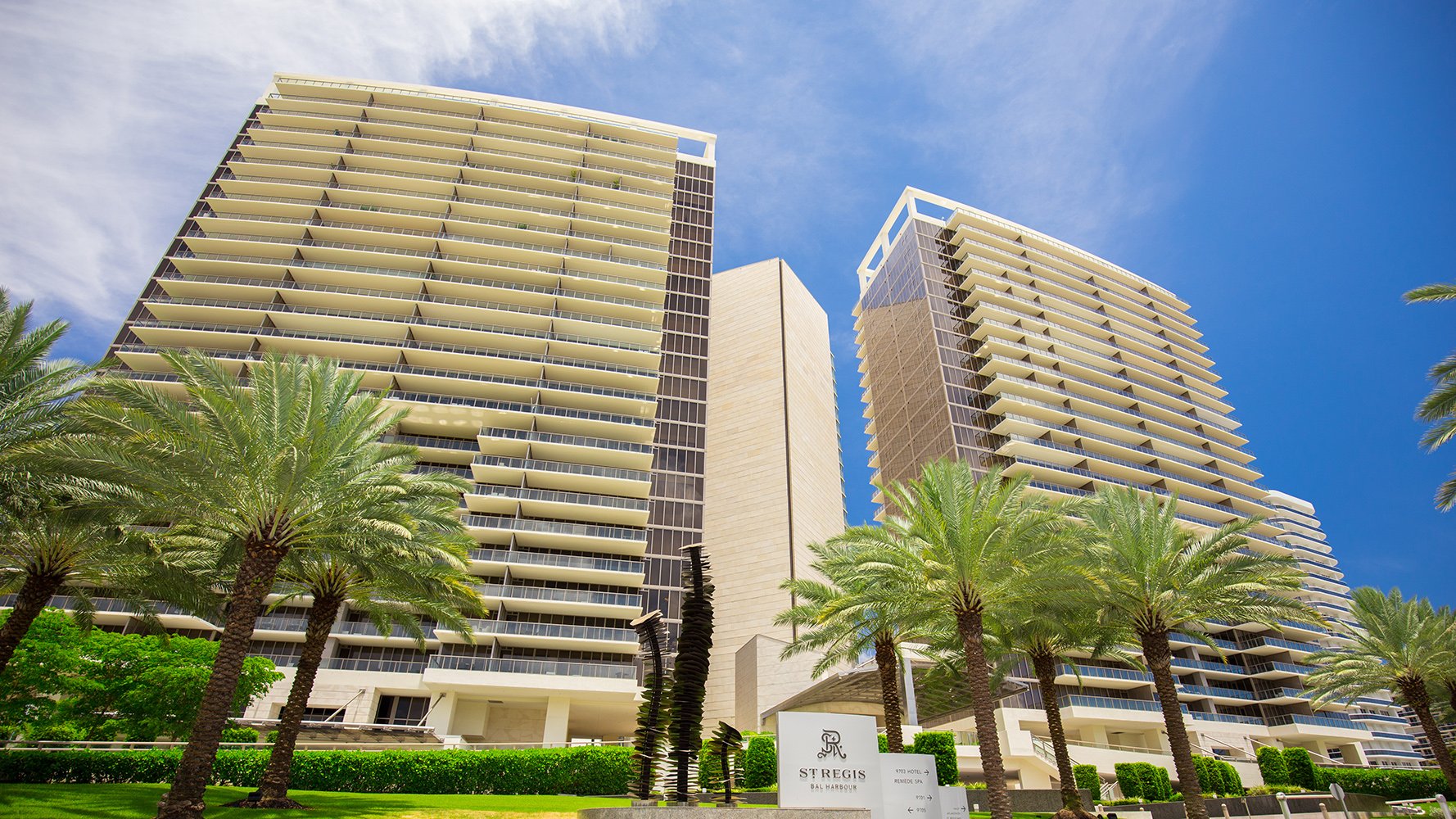
A family-office purchase in Bal Harbour should satisfy two distinct ambitions: an exceptional private residence and a defensible allocation of capital. The first is personal. The second requires evidence that a future buyer will recognize the qualities the family is paying for today.
The purchase plan should separate lifestyle value from recoverable value. A particular terrace, arrival sequence, or room arrangement may be indispensable to one household without commanding the same premium on resale. Approve that preference consciously rather than embedding it in an optimistic exit price.
Before touring, establish the intended holding period, acceptable annual carrying cost, privacy requirements, and liquidity reserve. The central question is not whether a residence feels rare, but whether its rarity can be demonstrated and its ownership sustained through a slower sale.
Across a trailing 24-month period, 216 qualifying arm’s-length Bal Harbour condominium sales had a median sale price of $1,762,500 and a median price per square foot of $1,008. The exact measurement dates are unspecified, so these figures provide broad context rather than a precise current valuation benchmark.
In September 2026, 117 active listings had a median asking price of $2.65 million and a median asking price per square foot of $1,266. August 2026 recorded nine sales with a median sale price of $1.575 million. These populations and periods differ. Their medians do not establish a negotiable discount, particularly for a residence whose layout or scale departs materially from typical inventory.
Build the valuation from closed transactions within the target building, then examine differences in floor, exposure, size, condition, and transaction timing. Asking prices describe seller expectations; they are no substitute for evidence of what buyers have paid.
An October 2025 transaction at Oceana Bal Harbour reportedly reached $30 million, nearly $3,900 per square foot. It illustrates an exceptional purchase, not a transferable benchmark for every residence in the building or village. Trophy pricing should prompt investigation into the specific asset, not automatic extrapolation.
For each shortlisted home, request stack plans and identify comparable layouts, including alternatives within the building. Examine whether room proportions, frontage, circulation, and terrace configuration are meaningfully difficult to replace. Large square footage alone is not proof of scarcity.
Then ask which features a future buyer could obtain elsewhere. If the family is willing to consider Surfside, include The Surf Club Four Seasons Surfside in the alternative-property review, subject to residence-level diligence. This tests substitutability; it does not assume comparable pricing or specifications.
The available evidence establishes neither a quantified floor-plate scarcity index nor a measured privacy premium. Any acquisition premium should therefore be supported by relevant closings or identified explicitly as discretionary lifestyle spending.
Privacy deserves its own inspection, separate from finishes and views. Follow the route from arrival to the residence and consider who can share or observe each transition. Review elevator access, neighboring doors, guest procedures, and service circulation rather than treating a private-elevator description as sufficient.
Inside, assess sightlines into living spaces and across terraces. Examine whether outdoor areas are overlooked and how adjacent residences affect seclusion. Distinguish an attractive view today from one whose protection has been substantiated through appropriate diligence.
Ask the acquisition team to document these findings with plans and inspection notes. A premium supported by a clear, repeatable privacy advantage is easier to evaluate than one resting on atmosphere alone. Even then, the findings do not establish how much of that premium a future buyer will pay.
Association charges belong in the acquisition decision, not among the details deferred until afterward. Indicative figures place Oceana association costs at approximately $1.35 per square foot monthly, while Rivage Bal Harbour has an estimated figure of $2.10. Neither replaces confirmation of the residence-specific assessment; the Rivage figure is an estimate, not a verified operating charge for a particular home.
Applied to a hypothetical 4,000-square-foot residence, those rates produce annual association charges of $64,800 and $100,800, respectively. The difference is $36,000 annually, or $360,000 over ten years, without discounting or fee inflation and excluding other ownership expenses. This is a budgeting illustration, not a prediction of either building’s future costs.
Confirm the chargeable area and included services before comparing totals. Do not count reserves or building insurance twice if they are already funded through dues. Budget separately for property taxes, residence-level insurance, utilities, interior maintenance, and applicable financing expenses, verifying exclusions for the specific property.
The lowest fee is not necessarily the best outcome. The question is whether the assessment supports the expected service standard and building obligations without exposing the family to unbudgeted demands.
Operating buildings offer an important diligence advantage: actual assessments, insurance expenses, reserve funding, staffing, and repair history can be examined. Use those records to distinguish a sustainable budget from an attractive headline charge.
Request three years of budgets and financial statements, reserve documentation, insurance terms, inspection records, assessment history, litigation information, and rental or transfer restrictions. Have appropriate advisers reconcile the financial obligations with the property’s physical condition.
Where costs remain estimated, state that uncertainty explicitly in the acquisition memorandum. Establish a higher-cost scenario and a funding reserve rather than treating an initial operating estimate as a fixed long-term commitment. An elegant residence should not require an optimistic budget to remain comfortable to own.
Prepare a base-case exit using building-specific closed comparables and no unsupported scarcity premium. Keep any lifestyle premium visible as a separate acquisition decision. Then test a downside case with a 12-24-month marketing period and higher carrying costs. That interval is a planning assumption, not a market forecast.
Deduct relevant transaction and ownership expenses when assessing the outcome. Ask whether the family could decline an unattractive offer without compromising other commitments. The ability to wait should be funded before purchase, not improvised when the residence is listed.
Final approval should rest on three findings: the layout is demonstrably difficult to substitute, the privacy meets the household’s requirements, and the operating budget remains acceptable under stress. If resale evidence does not justify the full price, acknowledge the difference as personal consumption rather than investment return.
For a discreet conversation about a disciplined Bal Harbour acquisition, connect with MILLION.
If branded residences are on your mind — as a home or as an allocation — we would be glad to share what we are seeing, privately.
Begin a quiet conversationDefine the holding period, annual carrying-cost tolerance, privacy requirements, and liquidity reserve. Separate personal lifestyle spending from premiums supported by resale evidence.
No. The supplied asking and closed-sale medians cover different populations and periods, so their difference does not establish a negotiable discount.
Use building-specific closed comparables, examining differences in floor, exposure, size, condition, and transaction timing. Broad market medians provide context rather than a residence-specific valuation.
The reported October 2025 sale illustrates an exceptional transaction, not a market-wide comparable. Its relevance depends on the characteristics of the residence being evaluated.
Review stack plans and competing layouts, then assess whether frontage, proportions, circulation, and terraces are difficult to replace. The supplied evidence does not quantify a scarcity premium.
Examine elevator access, neighboring doors, guest procedures, service circulation, terrace sightlines, and view exposure. A private-elevator description alone is insufficient.
No. Approximately $1.35 per square foot monthly at Oceana and an estimated $2.10 at Rivage are indicative figures requiring residence-specific confirmation.
The illustrated annual association costs are $64,800 and $100,800, a $36,000 difference. The ten-year difference is $360,000 before discounting or fee inflation and excludes other ownership expenses.
Request three years of budgets and financial statements, reserve documentation, insurance terms, inspection records, assessments, litigation information, and rental or transfer restrictions.
It tests whether liquidity can support an extended sale alongside higher carrying costs. The interval is a recommended planning assumption, not a forecast of marketing time.