A buyer-focused comparison of Four Seasons Residences Coconut Grove and W Pompano Beach Hotel & Residences, centered on building culture, flexibility, association rules, and livability.
In South Florida luxury real estate, buyers often begin with architecture, views, service, and brand. The more durable question is quieter: what kind of building culture will govern daily life after closing? That culture is not a slogan. It is the practical result of brand identity, service model, design intent, owner mix, and governing documents.
That is why Four Seasons Residences Coconut Grove and W Pompano Beach Hotel & Residences are best understood as two distinct ownership philosophies, not interchangeable branded products. One is framed around residential calm, discretion, and long-duration use. The other is shaped by hospitality energy, design-forward personality, and a broader discussion of flexibility.
Neither approach is inherently superior. The sharper question is whether the building’s rhythm matches the buyer’s intended use. A primary resident who values privacy may define livability one way. A lifestyle buyer seeking resort energy and possible flexibility may define it very differently.
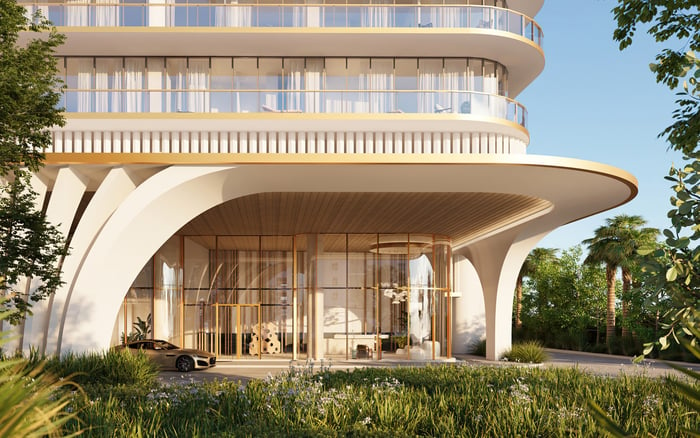
Four Seasons Residences Coconut Grove reads as the more residentially oriented comparison point. That matters because a residential culture is usually judged less by spectacle and more by consistency, privacy, and the everyday feel of arrival, access, staff interaction, and shared spaces.
For buyers considering Four Seasons Residences Coconut Grove, the attraction is not simply service. It is the possibility of a calmer ownership experience where common areas feel composed and the building’s social rhythm is shaped primarily around residents and their personal guests.
That creates a sanctuary-oriented frame. The service expectation is tied to discretion, continuity, and long-term comfort. In practice, that can appeal to buyers who see the residence as a primary home, a long-duration second home, or a place where household routines should remain predictable across seasons.
Coconut Grove also supports this comparison as a South Florida setting for buyers who want a Miami address with a more residential tone. In that context, Four Seasons Residences Coconut Grove reads less like a social resort platform and more like a private address defined by composure.
W Pompano Beach Hotel & Residences represents a different branded logic. The hotel-and-residences format naturally raises questions about hospitality rhythm, social energy, guest access, and how residential life is separated from or connected to a more activated setting.
That user mix is important. A hotel-and-residences structure may involve different categories of users depending on the final governing documents and program terms. Buyers should not assume any specific rental permission without reviewing the applicable declaration, rules, and offering materials, but the project’s positioning invites a more flexibility-focused review than a purely traditional condominium comparison.
For some owners, that is the appeal. A residence at W Pompano Beach Hotel & Residences may align with weekends, seasonal escapes, hospitality services, and a more social coastal lifestyle. It is less about being insulated from activity and more about choosing a setting where activity may be part of the ownership experience.
The Pompano Beach buyer may see that distinction as central. A branded coastal residence with a hospitality identity can feel especially relevant for owners who want a South Florida base with energy, service, and a clearer lifestyle personality.
The most important ownership details are often found in the documents buyers are least tempted to read first. Association rules, rental permissions, guest policies, pet rules, amenity access, move-in procedures, elevator protocols, parking policies, and use restrictions shape the lived experience of a building.
In a residentially oriented model such as Four Seasons Residences Coconut Grove, a buyer should look closely at how the documents preserve privacy, regulate guests, limit transient pressure, and maintain decorum in shared areas. The brand promise may suggest stability, but the legal and association framework determines how that stability is protected.
In a hotel-and-residences model such as W Pompano Beach Hotel & Residences, the same review should focus on the relationship between residences and hotel-style operations. Buyers should understand how guests access amenities, how residential elevators and lobbies are controlled, and how quiet enjoyment is balanced against hospitality programming.
The term condo-hotel can be useful shorthand, but it is too blunt to replace document review. In high-end ownership, the most consequential differences are often specific rather than generic: who may occupy, for how long, through what program, with what approval, and under which cost structure.
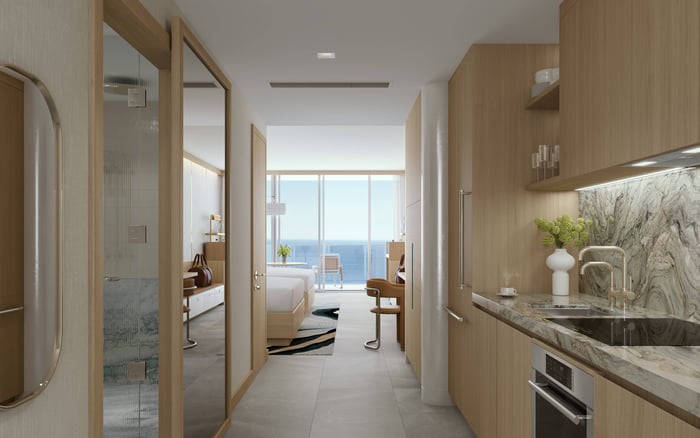
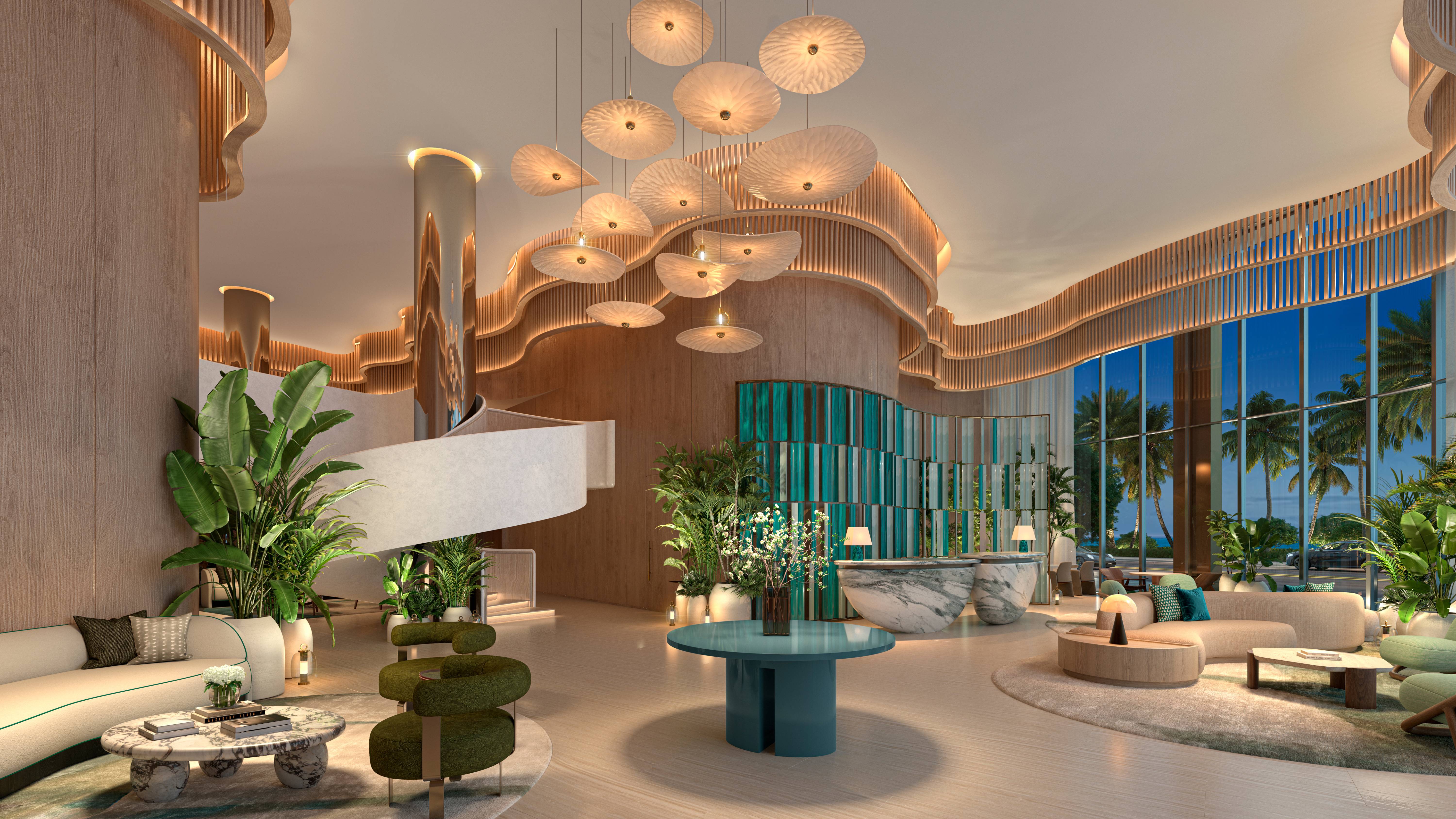
Livability is not only about square footage, finishes, or views. It is also about who is in the building on a Tuesday morning, how the pool feels in peak season, how staff members recognize residents, and whether the lobby functions as a private threshold or an active hospitality node.
Four Seasons Residences Coconut Grove is better aligned with buyers who prioritize a stable owner community, quieter common areas, and a service culture built around familiarity. It is the more decorum-led choice for those who expect to spend meaningful time in the residence and want the building to feel settled rather than episodic.
W Pompano Beach Hotel & Residences is better aligned with buyers who are energized by a hospitality ecosystem. Its social atmosphere, design-forward positioning, and flexibility-oriented questions may suit owners who want a coastal base with a more animated personality. The tradeoff is that activity is not incidental to the concept. It is part of the proposition.
This is the central contrast: privacy and residential stability at Four Seasons Residences Coconut Grove versus hospitality activation and ownership flexibility at W Pompano Beach Hotel & Residences. For the right buyer, either can be compelling. For the wrong use pattern, either can feel mismatched.
A primary-residence buyer should ask whether the building will feel calm during high-demand periods, how guest access is handled, and whether the association culture supports long-term neighborly continuity. A seasonal owner should ask how the residence performs when vacant, how staff communication works, and how predictable the building feels after months away.
An investor-minded or rental-sensitive buyer should be even more disciplined. Hospitality branding does not automatically mean unrestricted rental use, and a residentially oriented building may not align with transient occupancy goals. The documents, not assumptions, should define the strategy.
The most sophisticated buyers will test both buildings against lifestyle rather than prestige alone. If the goal is a private Miami home with quiet service and a composed feel, Four Seasons Residences Coconut Grove carries the more natural cultural fit. If the goal is a branded beachfront experience with social energy and a flexibility-focused ownership review, W Pompano Beach Hotel & Residences deserves a different kind of attention.
Which building is more residential in character? Four Seasons Residences Coconut Grove is framed as the more residentially oriented choice, with privacy, stability, and discretion at the center of the ownership experience.
Which building is more hospitality-driven? W Pompano Beach Hotel & Residences is framed as the more hotel-and-residences concept, with a stronger emphasis on resort energy and social activation.
Does W Pompano Beach allow short-term rentals? Buyers should not assume specific rental permissions without reviewing the governing documents, rental program terms, and association rules.
Is Four Seasons Coconut Grove better for a primary residence? It may be better aligned with primary-residence use or long-duration second-home ownership than transient use, depending on the buyer’s priorities and the governing documents.
Why do association rules matter so much? They determine how guests, rentals, pets, amenities, access, and conduct are managed, which directly affects daily livability.
Can a hotel-residence still feel private? It can, but privacy depends on design, access control, operating procedures, and the final documents that govern residential and hotel interaction.
What should a rental-minded buyer review first? Rental minimums, approval procedures, program terms, owner-use limits, fees, taxes, and association restrictions should all be reviewed before relying on income assumptions.
Is building culture more important than amenities? For long-term owners, culture can be just as important because it shapes the feel of lobbies, elevators, pools, staff interaction, and neighbor continuity.
Which option feels more like a sanctuary? Four Seasons Residences Coconut Grove is the more sanctuary-oriented comparison point, emphasizing predictability and decorum over social activation.
What is the best way to shortlist comparable options for touring? Start with location fit, delivery status, and daily lifestyle priorities, then compare stacks and elevations to validate views and privacy.
For a confidential assessment and a building-by-building shortlist, connect with MILLION.
If branded residences are on your mind — as a home or as an allocation — we would be glad to share what we are seeing, privately.
Begin a quiet conversation