A discreet 2026 guide to quiet recovery zones in South Florida luxury real estate, focused on privacy, wellness, acoustic comfort, and buyer decision-making.
In South Florida luxury real estate, the most persuasive amenity of 2026 may not be the largest pool deck, the most theatrical lobby, or the flashiest private dining room. It may be a room, garden, suite, or sequence of spaces designed for quiet recovery: not wellness as spectacle, but wellness as atmosphere; not a branded experience, but a private return to equilibrium.
Quiet recovery zones are becoming a subtle marker of discernment. They are the places within a residence or residential building where sound softens, circulation slows, light is controlled, and the body understands it can downshift. For buyers accustomed to demanding schedules, frequent travel, active social calendars, and high-visibility environments, this form of calm is not indulgent. It is functional.
The shift is especially relevant in South Florida, where the best addresses often pair extraordinary exposure with intense stimulation. Brickell has vertical energy. Miami Beach has cultural gravity. Surfside and Aventura offer more measured rhythms, yet still sit within a region defined by movement, water, dining, design, and constant arrivals. The emerging luxury question is no longer simply where one can entertain. It is where one can recover.
For years, luxury was expressed through volume: larger residences, broader views, more amenities, more services. Those elements still matter, but the more sophisticated buyer is increasingly attuned to the quality of time spent inside a home. A beautiful residence that never feels restful is incomplete.
Quiet recovery zones answer that gap. They can take many forms: a primary suite buffered from social areas, a study removed from elevator noise, a shaded terrace with limited visual exposure, a spa room designed for daily use, or a family lounge intentionally separated from entertaining spaces. In a high-rise, quiet may be achieved through layout, glazing, ceiling height, and the careful placement of mechanical systems. In an estate setting, it may come through landscaping, garden walls, distance from the street, and the orientation of outdoor rooms.
This is not about silence in the absolute sense. South Florida living is animated by breeze, water, birds, cars, boats, elevators, service teams, and guests. The goal is controlled sound, predictable privacy, and rooms that do not demand performance. The finest recovery spaces feel natural rather than clinical.
The quiet recovery buyer is often not asking for less. They are asking for fewer intrusions. They may still want oceanfront views, a generous entertaining salon, a chef’s kitchen, private parking, security, and concierge service. But they are equally focused on what happens after the dinner, after the flight, after the board meeting, after the gala.
This buyer notices whether the bedroom shares a wall with the elevator core. They ask how morning light enters the primary suite. They consider whether a den can function as a true retreat or merely as a pass-through room. They study the distance between guest spaces and private quarters. They care whether a pool area is social at all hours, or whether it includes quieter edges for reading, recovery, and privacy.
In 2026, these questions feel less niche and more central. Investment logic is also evolving around them. Residences that support sleep, focus, and decompression may carry broader emotional appeal than homes that rely only on drama. In a market where many buyers already have access to spectacle, restraint can be the differentiator.
The best quiet recovery zones are designed through layers. The first layer is acoustic. This includes how a room is positioned, how openings are detailed, and how interior materials absorb or reflect sound. A marble-clad room may be beautiful, but without softness, it can feel loud. A wood-paneled study, upholstered media room, or textured bedroom may deliver a more restorative effect.
The second layer is visual privacy. A serene room should not feel exposed to neighboring towers, amenity decks, or traffic patterns. This is why orientation matters. A view can be spectacular and still feel restless if the room is visually overactive. The most desirable outlooks often balance openness with distance.
The third layer is program. A room becomes a recovery zone when its use is protected. If the wellness room doubles as storage, or the study becomes an overflow guest room, its purpose is diluted. Buyers should imagine how the space will function on ordinary days, not only during curated showings.
The fourth layer is service choreography. In larger residences, staff and service circulation can either preserve calm or disrupt it. The best layouts allow daily life to happen efficiently without pulling energy through private areas. This is one reason boutique buildings and well-planned private residences can feel especially compelling. Fewer transitions can mean fewer interruptions.
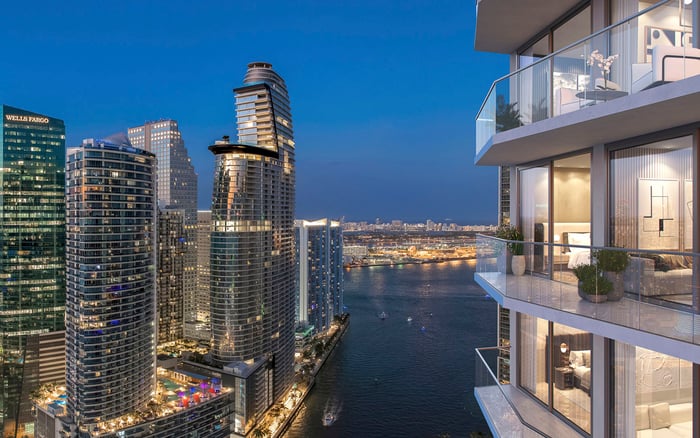
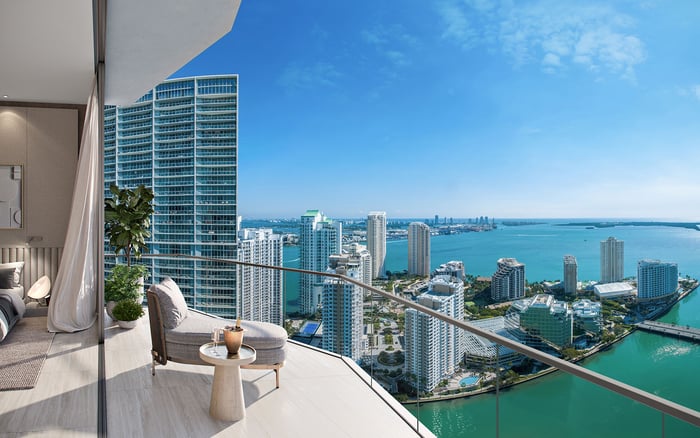
Different South Florida locations express quiet in different ways. In Brickell, quiet recovery is often vertical. The residence must rise above the city’s intensity and create a private interior world through elevation, glazing, and thoughtful floor planning. The buyer may accept urban energy outside, provided the home itself feels composed.
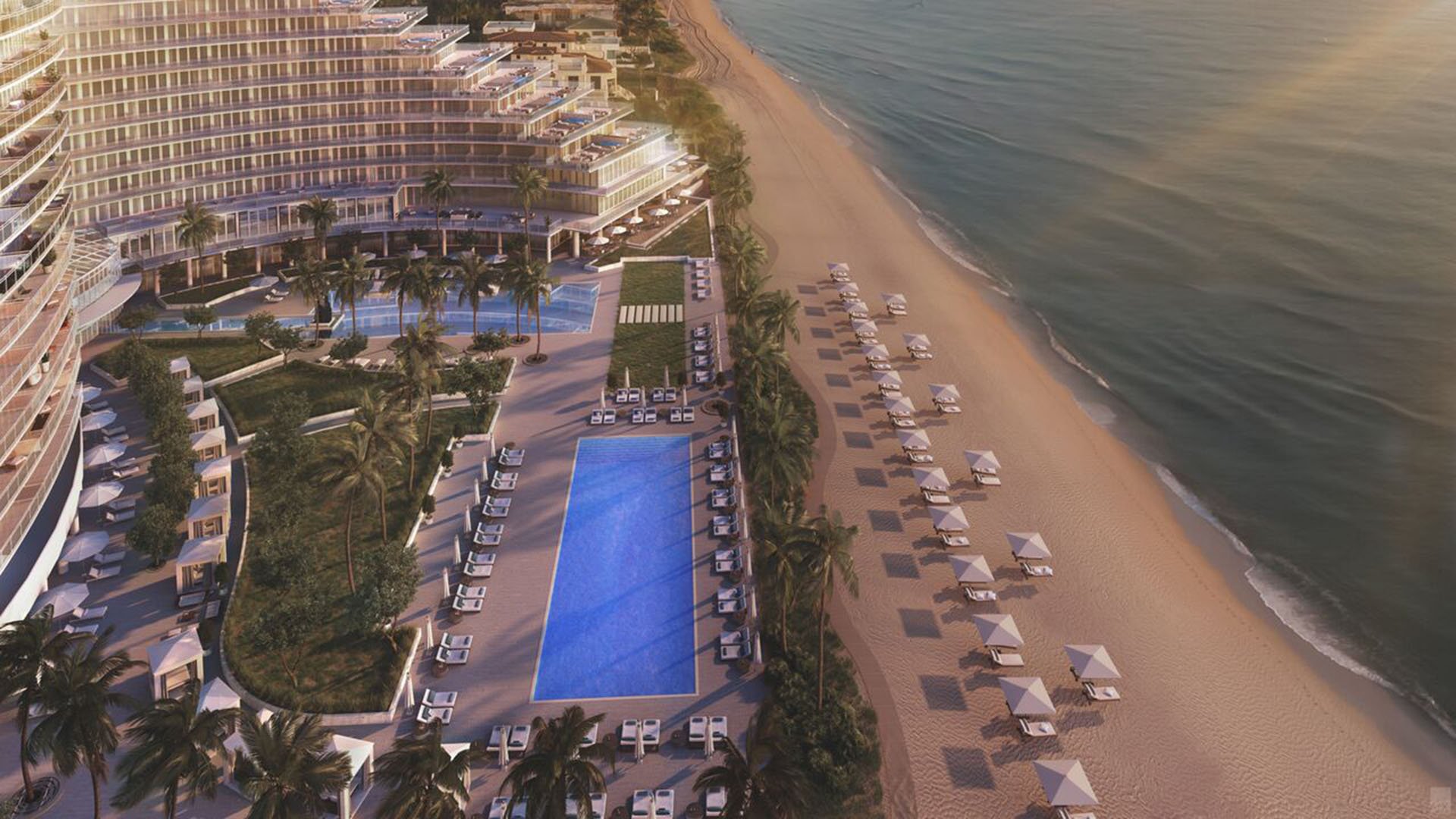
In Miami Beach and Surfside, quiet is frequently tied to proportion and separation. The relationship between beach access, arrival sequence, outdoor living, and private rooms becomes essential. A residence may be steps from social life, yet still feel removed if the private spaces are well shielded.
In Aventura, calm can be associated with convenience and distance from the highest-traffic hospitality corridors. Buyers may value ease, security, and generous layouts that make daily living feel less compressed. In Palm Beach, discretion has long been part of the residential language. There, quiet is not a trend so much as a code: hedges, gates, gardens, shaded rooms, and an understanding that the most valuable moments are often unseen.
New-construction residences have an opportunity to integrate these priorities from the beginning. Still, buyers should avoid assuming that new automatically means quiet. The critical test is how the home feels at different times of day, how private spaces relate to shared amenities, and whether the floor plan supports actual recovery rather than simply presenting a wellness narrative.
A quiet recovery zone should be experienced, not merely described. Buyers should walk the residence slowly and notice transitions. Does the arrival sequence release tension or create it? Do private rooms feel protected from the social core? Are outdoor spaces comfortable without constant exposure? Does the primary suite feel like a destination within the home?
Time of day matters. A residence that feels calm in the morning may feel different at sunset, during peak elevator usage, or when nearby amenities are active. Buyers should also consider their own patterns. A frequent traveler may prioritize sleep quality and blackout capability. A collector may want a contemplative, gallery-like study. A host may need a decompression suite after entertaining. A family may want a quiet media room away from bedrooms and formal areas.
The strongest residences do not force a choice between beauty and restoration. They allow both. The living room can be cinematic, the dining room gracious, and the private wing deeply quiet. In the most refined homes, these moods coexist without competing.
Quiet recovery zones represent a maturing of South Florida luxury. They move the conversation from visible abundance to lived intelligence. The buyer who understands this is not rejecting glamour. They are refining it.
In 2026, the most desirable residences will be judged not only by what they display, but by what they protect: sleep, privacy, focus, family rhythm, and the ability to withdraw without leaving home. That is the essence of quiet luxury. It is less about being impressed and more about being restored.
What is a quiet recovery zone? It is a private residential space designed to support calm, rest, focus, or decompression through layout, sound control, privacy, and atmosphere.
Is this the same as a wellness room? Not necessarily. A wellness room can be part of it, but a quiet recovery zone may also be a bedroom, den, garden, terrace, library, or shaded outdoor room.
Why is this important for South Florida buyers in 2026? Many luxury buyers are balancing high-visibility lifestyles with a need for privacy and restoration. Homes that support recovery feel more livable over time.
Can a Brickell residence feel truly quiet? Yes, if the floor plan, elevation, glazing, and private-room placement are carefully considered. Urban energy outside does not have to define the interior experience.
Are oceanfront homes automatically calming? No. Water views can be restorative, but exposure, neighboring buildings, amenity noise, and room orientation still determine how quiet the home actually feels.
What should buyers inspect first? Start with the primary suite, study, terraces, and room adjacencies. These areas reveal whether privacy and recovery were central to the design.
Do quiet recovery zones affect investment appeal? They can strengthen emotional appeal because many buyers value homes that support daily well-being. The feature is subtle, but increasingly meaningful.
Can boutique buildings offer an advantage? Often, yes. Fewer residences and more intimate circulation can support a calmer living experience, provided the building is well planned and managed.
Is a terrace important to this trend? A well-positioned terrace can function as an outdoor recovery room when it offers shade, privacy, comfortable proportions, and a sense of separation.
What is the best way to shortlist comparable options for touring? Start with location fit, delivery status, and daily lifestyle priorities, then compare stacks and elevations to validate views and privacy.
If you'd like a private walkthrough and a curated shortlist, connect with MILLION.
If branded residences are on your mind — as a home or as an allocation — we would be glad to share what we are seeing, privately.
Begin a quiet conversation