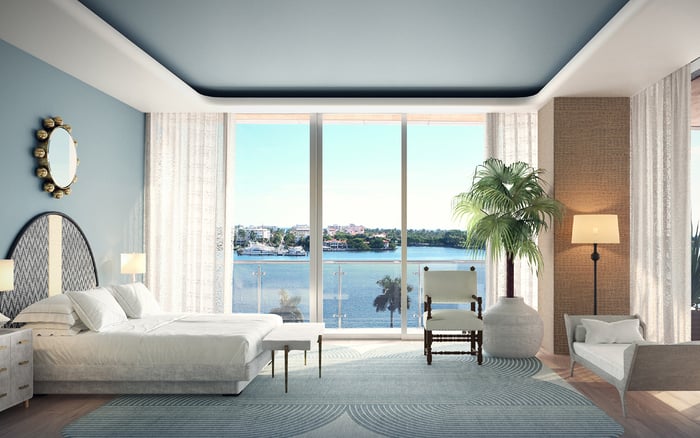
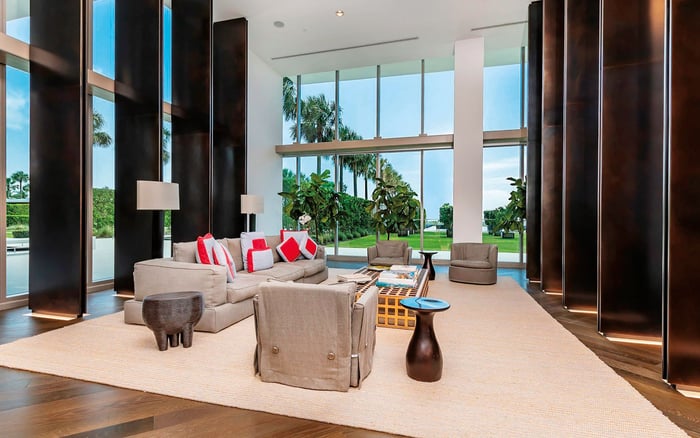
A buyer-focused comparison of Forté on Flagler West Palm Beach and Oceana Key Biscayne through the practical lens of indoor-outdoor living, shade strategy, and salt-air maintenance.
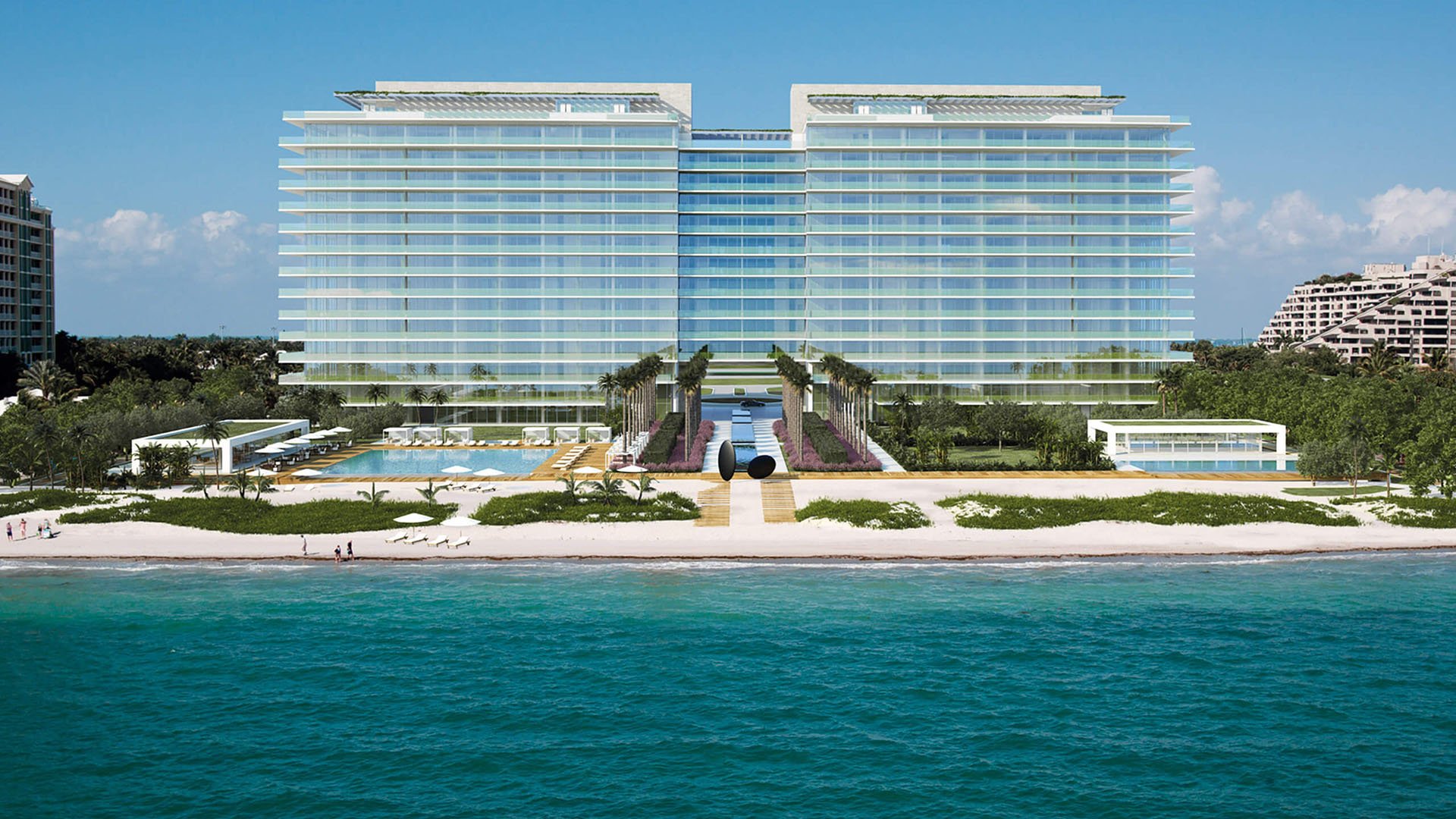
Forté on Flagler West Palm Beach and Oceana Key Biscayne speak to buyers who understand that architecture and climate are inseparable. In South Florida, the question is not simply whether a residence offers a terrace, a view, or proximity to water. The more discerning question is how the home performs at 3 p.m. in August, how its outdoor rooms recover after a rainstorm, and how ownership feels after several seasons of salt air.
That is where the comparison becomes useful. Forté on Flagler West Palm Beach belongs to a West Palm Beach rhythm, with an urban waterfront sensibility and a mainland lifestyle that can feel connected, cultural, and oriented to daily use. Oceana Key Biscayne reflects an island mindset, where privacy, coastal leisure, and a slower residential tempo shape the ownership experience. Neither model is inherently superior. Each simply asks different things of the buyer.
For a MILLION reader, the decision should begin with use. Is the residence intended as a primary home with frequent entertaining, a seasonal retreat, or a long-hold asset that must remain easy to manage from a distance? The answer can make one ownership model feel effortless and the other less aligned.
Indoor-outdoor living is often reduced to terrace size, but sophisticated buyers know better. A generous outdoor area is valuable only when it is comfortable, shaded, and easy to furnish. Orientation, overhangs, wind exposure, privacy from neighboring sightlines, and the transition from interior rooms all matter.
At Forté on Flagler West Palm Beach, the relevant buyer question is how the residence supports daily movement between interior living space and outdoor space. If the home is used year-round, the terrace should function like a true room, not a postcard. Seating depth, door operation, flooring transitions, and furniture protection become part of the purchase analysis.
At Oceana Key Biscayne, the calculus often feels more resort-residential. The outdoor environment may be central to the emotional appeal, but the same discipline applies. A balcony can be a morning coffee room, an evening dining edge, or simply a visual extension of the primary suite. A terrace should be tested for shade at the hours the owner will actually use it.
In both cases, buyers should resist judging outdoor space only during a perfect showing window. South Florida rewards residences that remain pleasant through shifting light, heat, breeze, and humidity.
Shade is one of the least glamorous words in high-end real estate, yet it is among the most important. In a climate defined by sun and reflection, shade determines whether a terrace is used daily or admired from behind glass.
Buyers comparing Forté on Flagler West Palm Beach and Oceana Key Biscayne should treat shade as both an architectural and operational feature. Does the residence rely entirely on movable furniture solutions, or is shade meaningfully built into the design? Are there protected zones where outdoor seating remains usable without constant repositioning? Can dining happen outside before sunset without glare becoming the dominant experience?
Glass also deserves scrutiny. Expansive glazing can create drama, but the best residences balance transparency with comfort. A well-executed indoor-outdoor plan manages heat, brightness, privacy, and maintenance without diluting the view. That balance is especially important for owners who expect to arrive, open the doors, and live easily rather than supervise constant adjustment.
This is where the West Palm Beach and Key Biscayne distinction becomes more than geography. A mainland waterfront lifestyle may prioritize convenience and daily flow, while an island lifestyle may place greater emphasis on retreat, horizon, and leisure. Shade strategy should serve the chosen rhythm.
Salt air is part of the romance of South Florida ownership, but it is also a practical force. Metals, exterior finishes, railings, door systems, terrace furniture, hardware, and mechanical components all benefit from informed maintenance planning. A buyer who understands this before contract is better positioned than one who treats maintenance as an afterthought.
In any coastal or near-coastal condominium, due diligence should include questions about exterior material performance, cleaning protocols, association responsibilities, owner responsibilities, and the history or expectations of building-envelope care. Buyers should also understand how terrace use affects upkeep. Outdoor kitchens, planters, loose furnishings, and decorative metals all require different levels of attention in a salt-air setting.
The point is not to be deterred by maintenance. It is to price time, care, and convenience into the decision. A lock-and-leave owner may value an ownership model with predictable building oversight and simpler outdoor components. A hands-on resident may be more willing to customize outdoor living areas and maintain them carefully.
For Forté on Flagler West Palm Beach, the maintenance conversation should be tied to how often the owner expects to use the residence and terrace spaces. For Oceana Key Biscayne, the same conversation should be tied to the expectations of island living and prolonged exposure to a marine environment.
The Forté buyer may be drawn to West Palm Beach for its balance of residential privacy and mainland access. The emotional profile is often urban-coastal: refined, connected, and practical for a life that includes dining, culture, family visits, and professional obligations. The residence is not only an escape. It can be a base.
The Oceana Key Biscayne buyer may be prioritizing distance from the mainland tempo. Key Biscayne ownership tends to appeal to those who want a more self-contained coastal routine, with the home serving as a retreat first and a logistical platform second. The experience can feel quieter, more insulated, and more defined by the outdoor day.
This distinction affects the ownership model. A primary resident may care deeply about grocery runs, guest parking, elevator flow, and how the terrace functions during weekday evenings. A seasonal owner may prioritize arrival sequence, storage, staff access, maintenance simplicity, and the ability to host family for concentrated periods.
The buyer should decide which friction points matter most. Luxury is not the absence of tradeoffs. It is the alignment of those tradeoffs with the way the owner actually lives.
A serious tour should include more than finishes. Buyers should stand outside long enough to understand sun, sound, breeze, and privacy. They should open and close doors, observe how interior cooling interacts with terrace access, and imagine furniture placement at full scale.
Questions should be specific. Which outdoor surfaces require routine care? How exposed are railings and fixtures? Where would cushions be stored during storms or extended absences? Are there shaded zones that work without umbrellas? How does the primary living room feel when the terrace doors are closed during peak heat?
The best residence is often the one that makes the climate feel edited, not denied. It lets in air, light, and view while still protecting comfort. That is the standard buyers should apply to both Forté on Flagler West Palm Beach and Oceana Key Biscayne.
Is Forté on Flagler West Palm Beach better for a primary residence? It may suit buyers who want a West Palm Beach base with a mainland rhythm. The final decision should depend on daily routines, access needs, and terrace usability.
Is Oceana Key Biscayne better for a seasonal retreat? It may appeal to buyers seeking a quieter island-style pattern. Seasonal owners should focus on lock-and-leave convenience and salt-air maintenance planning.
Why is shade so important in South Florida luxury condos? Shade determines how often outdoor space is genuinely used. A beautiful terrace without practical shade can become less functional during peak sun.
Should buyers prioritize terrace size or terrace comfort? Comfort should lead the analysis. Size matters only when the space is shaded, furnishable, private, and manageable.
What should I ask about salt-air maintenance? Ask about exterior materials, cleaning protocols, owner responsibilities, and association-level care. The goal is to understand predictable upkeep before purchase.
Does indoor-outdoor living increase maintenance? It can, especially when outdoor furnishings, planters, metals, or kitchen elements are involved. Good planning makes the lifestyle easier to sustain.
How should I compare West Palm Beach and Key Biscayne lifestyles? West Palm Beach may feel more connected and mainland-oriented, while Key Biscayne may feel more retreat-driven. The better fit depends on daily use.
Are balcony and terrace spaces equally valuable? They serve different purposes. A balcony may extend a room visually, while a terrace can support dining, lounging, and entertaining when well designed.
What is the biggest mistake buyers make with coastal residences? They judge the view before testing the climate. Sun angle, wind, privacy, and maintenance can matter as much as the outlook.
What is the best way to shortlist comparable options for touring? Start with location fit, delivery status, and daily lifestyle priorities, then compare stacks and elevations to validate views and privacy.
If you'd like a private walkthrough and a curated shortlist, connect with MILLION.
If branded residences are on your mind — as a home or as an allocation — we would be glad to share what we are seeing, privately.
Begin a quiet conversation