A practical framework for selecting a Surfside property manager who can coordinate routine inspections, household readiness, storm preparation, controlled re-entry, and documented post-storm action.

For families accustomed to operating a Hamptons residence seasonally, a move to Surfside introduces a different rhythm. Warm weather does not eliminate the demands of absence care; it adds year-round humidity, hurricane preparation, condominium access protocols, and the need for swift local judgment when owners are away.
The central decision is not simply which property manager to appoint, but whether that manager can administer a single coordinated brief encompassing routine inspections, preventive maintenance, household readiness, storm preparation, evacuation-related access, damage assessment, and owner communication. Dividing these responsibilities among unrelated parties can create critical gaps precisely when timing matters most.
The strongest arrangement treats daily care and storm response as one continuous mandate.
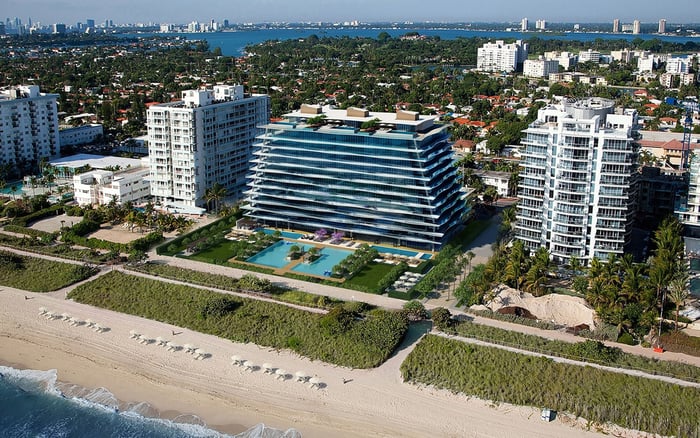
This is particularly relevant for an oceanfront residence, where a private manager must operate within the building’s framework. Ownership at The Surf Club Four Seasons Surfside, for example, may require a highly tailored private-unit protocol that accounts for front-desk, security, engineering, and common-area rules rather than duplicating building functions.
The phrase “property management” can describe two materially different services. Conventional management often centers on tenant placement, lease enforcement, rent collection, financial reporting, inspections, and maintenance coordination. Those capabilities can be valuable when a residence is leased, but they do not automatically constitute private estate care.
A second-home mandate should begin with the family’s actual pattern of use. If the home will remain unoccupied between visits, the manager may need to conduct scheduled inspections, monitor for leaks and maintenance defects, coordinate vendors, oversee storm readiness, and prepare the residence before arrival. Hospitality-style support may extend to sourcing household staff, grocery provisioning, errands, private-chef coordination, event planning, and other pre-arrival details.
Rental operations should remain a separate decision, even in buildings where short-term-rental management is available. Arte Surfside is among the Surfside buildings associated with full-service short-term-rental operations, but a family’s private-care requirements should still be evaluated independently. The manager best equipped to administer leasing may not be the strongest choice for maintaining household continuity during extended owner absences.
A polished presentation is no substitute for a precise management agreement. The written scope should specify inspection frequency, the rooms and systems covered, the format of owner reports, vendor-coordination duties, storm-preparation obligations, and the communication channel used while the family is absent.
Request proof of insurance, references from absentee owners, details of after-hours coverage, and a sample inspection report. The sample should demonstrate whether the reporting is genuinely useful, with dated photographs, clearly described conditions, open maintenance items, assigned next steps, and confirmation when work is complete. Preventive monitoring is intended to identify leaks, defects, and structural concerns before they become larger problems; vague check-ins are inadequate.
The agreement should also name emergency contacts, approved vendors, spending limits, and escalation thresholds. It must identify who can authorize immediate work following water intrusion or storm damage. A manager who can observe a problem but cannot act within agreed limits may lose valuable time seeking approval.
For residences such as Fendi Château Residences Surfside, owners should map private responsibilities against the condominium’s controls. Confirm who governs shutters, balcony preparation, common-area access, generators, elevators, engineering support, and post-evacuation re-entry. The private manager’s authority extends only as far as the building’s rules permit.
Routine care should follow a documented calendar rather than rely on occasional walkthroughs. Each visit should have a defined scope, with exceptions escalated promptly. The manager should know whom to contact, which vendors are preapproved, and what requires direct family authorization.
The calendar can also incorporate arrival readiness. Before the family returns, the residence may require housekeeping coordination, grocery placement, vendor completion checks, and confirmation that owner-controlled systems are functioning. This service layer is central to the lifestyle value of a well-managed seasonal home: the property should feel composed upon arrival without concealing unresolved maintenance issues.
In boutique settings such as Ocean House Surfside, the access plan should be tested against the building’s procedures. The manager should be registered where required, understand key or credential custody, and know how vendors are admitted. These details belong in the operating plan, not in an informal understanding.
Storm preparation must never be assumed to fall within ordinary management. Some management scopes expressly exclude hurricane boarding and require owners to retain a separate vendor. If boards or related materials are used, the vendor may need advance enrollment and precise storage information.
Before hurricane season, the manager should verify that owner-controlled shutters and other opening protections are accessible and ready for use. Windows and doors should be secured, preferably with permanent, county-approved storm shutters. In a condominium, however, responsibility may rest partly or wholly with the association, making written confirmation essential.
The storm annex should answer practical questions. Who monitors approaching conditions? What event triggers preparation? Who moves or secures owner-controlled outdoor items? Which vendor handles shutters or boards? Who documents the residence before evacuation? What happens if building access closes before a private vendor arrives?
These questions are equally relevant when evaluating a newer ownership option such as The Delmore Surfside. Buyers should assess not only the residence, but also how private household management will interface with security, engineering, and emergency building protocols.
Post-storm access is not simply a matter of sending the manager to the property. The plan must account for evacuation orders, municipal conditions, building safety decisions, security controls, elevator availability, and engineering clearance. The manager should not promise a fixed re-entry time when access depends on authorities or the condominium.
Once access is permitted, the first visit should follow an agreed damage-assessment process. Reporting should combine photographs, documented conditions, direct owner communication, and clear recommendations. Urgent issues, particularly water intrusion, require predetermined authority rules so protective work can begin within approved spending limits.
The sequence should distinguish immediate stabilization from later restoration. First, establish whether access is safe and identify active damage. Then document conditions, notify the owner, engage approved vendors within the manager’s authority, and track each open item through completion. This creates a defensible record and prevents multiple contractors from acting without coordination.
The most revealing interview questions are situational. Ask what the manager would do if a leak appeared while the family was abroad, a shutter vendor missed the access window, or building re-entry were delayed after an evacuation. Strong answers should define authority limits, communication steps, documentation standards, and alternate vendors without offering guarantees beyond the manager’s control.
This framework belongs in practical buyer’s guides because management quality shapes the ownership experience long after closing. The right appointment is not merely a convenience provider, but a local operating partner whose scope connects preventive care, building protocols, household service, and emergency response with discretion.
For tailored guidance on Surfside ownership and the residences that best support your household brief, connect with MILLION.
If branded residences are on your mind — as a home or as an allocation — we would be glad to share what we are seeing, privately.
Begin a quiet conversationIdeally, one written scope should coordinate inspections, vendor work, storm preparation, re-entry, and owner reporting, even when specialist vendors perform certain tasks.
Estate care prioritizes the condition and readiness of an owner’s home, while rental management commonly focuses on tenants, leases, rent collection, and financial reporting.
The scope should specify the areas and systems checked, with dated photographs, documented conditions, open maintenance items, and assigned next steps.
Inspection frequency should be defined in the agreement according to the home, its systems, and the family’s absence pattern rather than left informal.
Not necessarily. Owners should confirm the exclusion or inclusion in writing and retain a specialist vendor in advance when required.
Control may rest with the owner, the association, or both. Confirm responsibility for shutters, balconies, access, and related preparation before hurricane season.
No. Re-entry can depend on evacuation rules, local conditions, building safety decisions, security procedures, and engineering clearance.
It should include photographs, documented conditions, owner communication, recommended actions, and a record of urgent work authorized within agreed limits.
The agreement should establish spending limits, escalation thresholds, approved vendors, emergency contacts, and authority for immediate protective work.
Ask for proof of insurance, references from absentee owners, after-hours coverage details, and a sample inspection report.