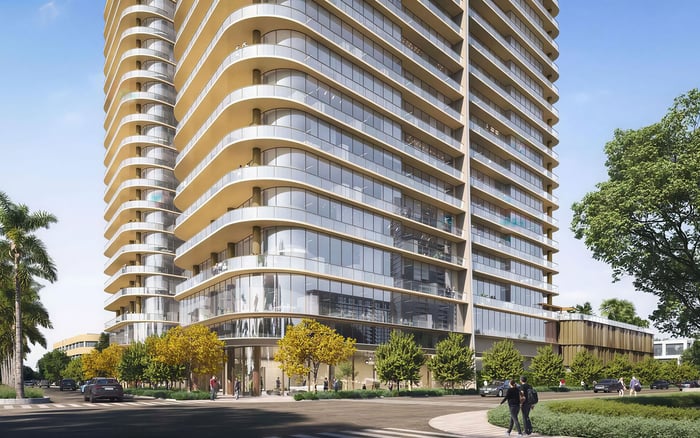
For seasonal buyers near Miami Design District, practical wellness, care access, and effortless home management can outweigh an expansive amenity brochure.

A seasonal residence near the Miami Design District is often purchased as an expression of taste, but its enduring value to the owner rests on something more personal: how effortlessly it supports daily life. A dramatic lobby and an extensive amenity program may make an immediate impression. Yet for an owner arriving after a flight, managing a demanding calendar, or maintaining established health routines, practical wellness and convenient access to medical care can become the more consequential luxuries.
This is not an argument against beautiful shared spaces. It is a case for examining how well those spaces perform. The discerning buyer should look beyond the renderings and ask whether the building can make a limited Miami season feel calmer, healthier, and easier to manage.
“Wellness” can describe nearly anything in luxury real estate. Buyers should translate the word into specific habits. If swimming is central to the week, the pool’s dimensions, exposure, access hours, and seasonal usability matter more than its photography. If strength training is essential, equipment selection, maintenance, ventilation, privacy, and trainer access deserve close scrutiny.
The same standard applies to treatment rooms, saunas, recovery spaces, yoga studios, and outdoor areas. Ask how reservations work, whether facilities become crowded, and whether private practitioners may enter. A modest, well-operated space can be more valuable than an elaborate suite that is difficult to book or poorly aligned with an owner’s schedule.
For buyers considering Kempinski Residences Miami Design District or Miami Tropic Residences, the useful comparison is not simply which presentation contains more features. It is which residence best supports the buyer’s actual lifestyle throughout every stay.
Medical proximity should not be reduced to a pin on a map. Miami traffic, appointment timing, parking, building access, and the route from residence to provider all shape the real experience. A buyer with ongoing specialist relationships may value one corridor, while a household with children, older relatives, or visiting guests may prioritize broader convenience and straightforward urgent-care options.
Before committing, test likely journeys at relevant times. Consider how a driver, household manager, or family member would navigate them. Ask what happens outside ordinary office hours and whether pharmacy access follows the same pattern. The objective is not to select a home from fear, but to preserve continuity and remove friction from care when time matters.
This lens can also widen the search. EDITION Edgewater may enter a Design District-oriented buyer’s comparison because neighborhood boundaries matter less than the combined route among home, preferred providers, dining, shopping, and the airport.
A second home is occupied differently from a primary residence. Amenities must be ready when the owner is present, while the residence itself requires oversight during an absence. That makes service protocols, access control, preventive maintenance, package handling, housekeeping coordination, and arrival preparation central to the buying decision.
Ask who can enter the home during an absence, how authorization is recorded, and whether management can coordinate vendors without unnecessary complexity. Review procedures for water, climate, appliances, terraces, and vehicles. In new construction, buyers should also understand how initial service standards may evolve as the building becomes fully operational.
The best seasonal experience often begins before the owner arrives: the climate adjusted, essential deliveries received, fitness appointments confirmed, and the residence inspected. Those capabilities rarely occupy the most glamorous pages of a sales presentation, yet they can determine whether ownership feels restorative or demanding.
The Design District offers a compelling cultural and commercial anchor, but a seasonal buyer’s effective neighborhood extends beyond a few blocks. It encompasses every destination used repeatedly: physicians, fitness professionals, food shopping, restaurants, personal care, the waterfront, and friends’ homes.
A buyer drawn toward Miami Beach might therefore compare the experience of The Ritz-Carlton Residences® Miami Beach with mainland options. The relevant question is not which address sounds more prestigious, but which pattern of movement feels most natural during the months of occupancy.
Create a personal radius and rank destinations by frequency and importance. Then test the routes rather than relying on assumptions. This exercise often reveals that one apparently central residence creates repeated inconvenience, while another enables a smoother weekly rhythm.
Request operating details, not merely amenity names. Tour wellness areas during realistic periods of use. Inspect acoustics, lighting, changing facilities, storage, cleanliness, and the transition from private residence to shared space. Ask who manages appointments, how guests and practitioners are admitted, and which services require separate payment.
For medical access, identify the providers and facilities that matter to the household, then evaluate door-to-door travel under several conditions. For seasonal operations, review staffing coverage, emergency procedures, vendor policies, insurance requirements, and communication standards. If wellness services are central to the purchase, determine which are established building functions and which depend on outside providers.
Finally, assign each criterion a weight. Daily fitness access may outrank a screening room; medical convenience may outrank a larger terrace; reliable residence management may outrank an additional lounge. Luxury becomes more precise when the buyer distinguishes what is impressive from what is useful.
For the seasonal owner, the strongest residence is not necessarily the one with the longest list. It is the one that protects time, reinforces healthy routines, and responds gracefully when plans change. Medical proximity provides reassurance, while credible wellness facilities make everyday discipline easier. Thoughtful operations connect the two.
That combination may not photograph as dramatically as a rooftop vista, but it can carry greater value across years of ownership. In a market shaped by exceptional design, the most sophisticated decision may be to choose the home that asks the least of its owner while quietly supporting the life they intend to live.
Why should seasonal buyers prioritize wellness differently? Limited periods of occupancy make reliable, immediately usable facilities more valuable than a broad but impractical amenity selection.
What makes a wellness amenity genuinely useful? It should fit the owner’s routine, schedule, privacy preferences, and expectations for maintenance and staffing.
How should buyers assess medical proximity? Test door-to-door routes at realistic times, considering parking, access, after-hours needs, and household circumstances.
Is the closest residence always the most convenient? No. Traffic patterns, entry procedures, and the location of preferred providers can matter more than straight-line distance.
Should buyers tour amenities more than once? Yes. Visits at different times can clarify crowding, noise, staffing, cleanliness, and reservation demand.
Which seasonal-home services deserve close review? Arrival preparation, inspections, climate monitoring, vendor access, housekeeping coordination, and emergency response are especially important.
How can buyers compare very different buildings? Use a weighted scorecard based on actual routines, care needs, service expectations, and frequently traveled routes.
Do more amenities necessarily support better resale? Not necessarily. Buyers should consider usability, operating quality, recurring costs, and relevance to the likely ownership audience.
Should family health needs influence the location decision? Yes. Children, older relatives, guests, and ongoing specialist care can materially change which routes and services matter.
What is the most important question to ask before buying? Ask whether the residence will make each Miami stay easier, healthier, and more predictable from arrival through departure.
If you'd like a private walkthrough and a curated shortlist, connect with MILLION.
If branded residences are on your mind — as a home or as an allocation — we would be glad to share what we are seeing, privately.
Begin a quiet conversation