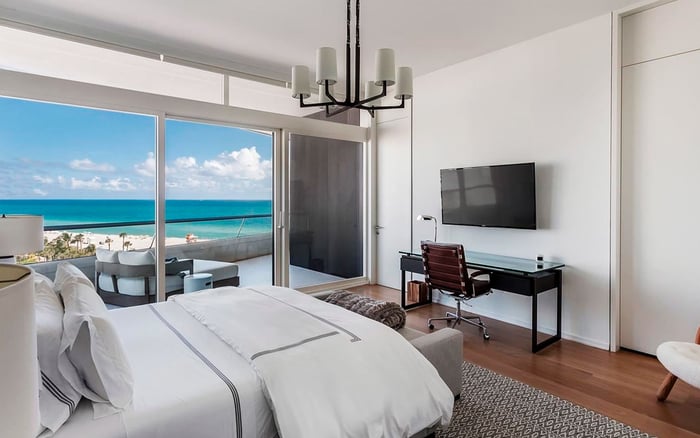
A disciplined framework for evaluating The Well Coconut Grove through private-flight logistics, traffic exposure, ownership documents, carrying costs, and eventual resale.
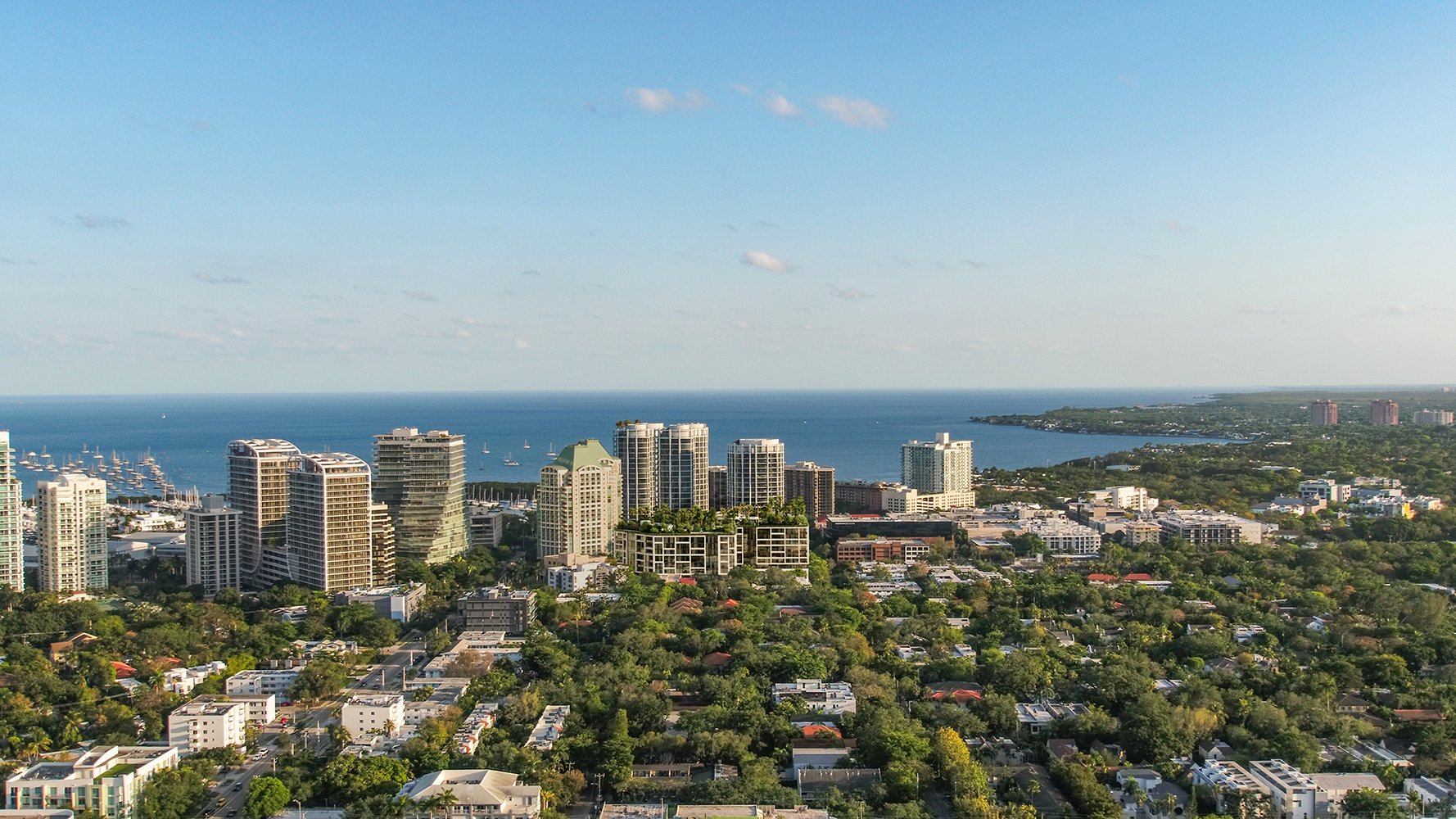
For a globally mobile buyer, The Well Coconut Grove presents a more exacting question than whether a residence is attractive. The real issue is whether the address supports a repeatable South Florida routine: arriving by private aircraft, moving through Miami with minimal friction, enjoying a residential setting beyond the beach circuit, and maintaining sound ownership discipline.
That proposition demands analysis, not assumption. Private aviation access is more than a line on a map, and avoiding beach traffic does not ensure effortless movement at every hour. Likewise, a compelling concept cannot replace scrutiny of contracts, operating costs, use restrictions, governance, insurance, reserves, and future marketability.
The disciplined 2026 lens separates lifestyle appeal from ownership quality. A residence should deliver both.
Sophisticated buyers should evaluate private aviation access as a complete journey. The relevant clock starts before landing and stops inside the residence. Aircraft handling, ground transfer, route variability, luggage, family movements, security preferences, and the timing of recurring trips all belong in the calculation.
Ask a driver to model the routes that matter at the hours you actually travel. Repeat the exercise for weekday arrivals, evening departures, seasonal congestion, and major-event periods. A theoretical transfer can differ materially from an experienced one, particularly when a household is coordinating staff, children, guests, or multiple vehicles.
The objective is not to establish one perfect number, but to define a dependable range and understand the conditions that widen it. For a second-home buyer, predictability can be more valuable than occasional speed.
Coconut Grove may appeal to buyers who want Miami without organizing daily life around an oceanfront address. Yet “without beach traffic” should be treated as an operating preference, not an absolute promise. Restaurant plans, school runs, business meetings, marina visits, and social commitments can still place a household on busy corridors.
The practical test is itinerary design. Map the places used weekly, not the landmarks visited occasionally. Then distinguish between trips that remain on the mainland and those that require crossing toward Miami Beach or other coastal destinations. The result will show whether the location meaningfully reduces friction for your calendar.
Comparisons with The Lincoln Coconut Grove and Opus Coconut Grove can sharpen the analysis. The purpose is not to select by name alone, but to compare the routes, arrival experience, residence format, and ownership structure that best serve the household.
A wellness-oriented identity can shape daily life, but ownership discipline begins with documents. Before assigning a premium to branding, services, design, or programming, buyers should confirm what is included, what remains discretionary, what carries a separate charge, and what may change after turnover.
Counsel should review the purchase agreement, condominium documents, budgets, reserve provisions, insurance responsibilities, leasing rules, pet policies, transfer procedures, and any limitations affecting guests or staff. Buyers should also determine which services are association obligations and which depend on third-party arrangements.
This distinction is essential in new-construction purchasing, where presentation and eventual operations are separate phases. An elegant sales narrative must be translated into enforceable rights, defined costs, and realistic responsibilities.
The acquisition price is only the opening figure. A rigorous investment review should model association charges, taxes, insurance, interior maintenance, staffing, parking, storage, furnishing, financing if applicable, and the cost of holding the residence during periods of limited use.
Request current documents and written explanations for material assumptions. Test both a base case and a higher-cost case rather than relying on a single projection. If wellness services or hospitality-style conveniences are central to the decision, establish whether they are included, optional, usage-based, or subject to modification.
Apply the same framework to alternatives such as Four Seasons Residences Coconut Grove and Ziggurat Coconut Grove. Like-for-like comparisons of costs, restrictions, and residence utility reveal more than headline pricing.
Even a long-term purchase should be assessed through an eventual buyer’s lens. Consider whether the residence layout, privacy, parking arrangements, storage, service model, and recurring costs will remain legible to the next owner. Highly personal finishes may enhance daily use, but their value should remain separate from assumptions about recoverability.
Resale optionality also depends on clarity. Future buyers will ask the same questions about governance, budgets, insurance, restrictions, and operational consistency. A clean document trail and rational carrying-cost profile can support confidence when the time comes to sell.
Disciplined buying aligns three horizons: arrival convenience today, residential usefulness throughout the holding period, and credible marketability later. The Well Coconut Grove should be judged across all three, with no single lifestyle feature allowed to eclipse the ownership fundamentals.
Begin with personal logistics. Record expected annual visits, preferred flight patterns, weekly destinations, vehicle needs, and household staffing. Next, inspect the residence and common areas through the lens of actual use rather than presentation. Then complete the legal, financial, insurance, and operational reviews before finalizing the value judgment.
Finally, compare the project with a focused Coconut Grove set. Apply the same checklist to every property, document each answer, and distinguish confirmed rights from anticipated experiences. This process preserves the purchase’s emotional appeal while bringing institutional rigor to the decision.
Is The Well Coconut Grove suitable for a private-aviation buyer? Suitability depends on the buyer’s preferred aviation facility, arrival schedule, ground route, and tolerance for transfer variability.
Does a Coconut Grove address eliminate beach traffic? No location eliminates congestion. Any advantage should be tested against the household’s recurring mainland and coastal itineraries.
What should be reviewed before signing? Engage counsel to examine the contract, condominium documents, budget, reserves, insurance duties, use rules, and transfer provisions.
How should wellness services be valued? Separate included obligations from optional or third-party offerings, then assign value based on likely personal use.
What costs belong in the ownership model? Include association charges, taxes, insurance, maintenance, staffing, furnishings, parking, storage, and financing where relevant.
Should buyers rely on projected travel times? No. Test representative routes at the hours and during the seasons that reflect the buyer’s actual travel pattern.
Why compare other Coconut Grove projects? A consistent comparison reveals differences in residence utility, operating structure, restrictions, carrying costs, and resale positioning.
What matters most for a second residence? Predictable arrival, secure closure, manageable carrying costs, practical storage, and clear rules often matter more than novelty.
How can a buyer protect resale flexibility? Favor functional layouts, understandable costs, documented governance, and improvements that do not unduly narrow the future audience.
What is the central 2026 buying principle? Confirm that aviation convenience, reduced exposure to beach-oriented routing, and disciplined ownership work together for your routine.
To compare the best-fit options with clarity, connect with MILLION.
If branded residences are on your mind — as a home or as an allocation — we would be glad to share what we are seeing, privately.
Begin a quiet conversation