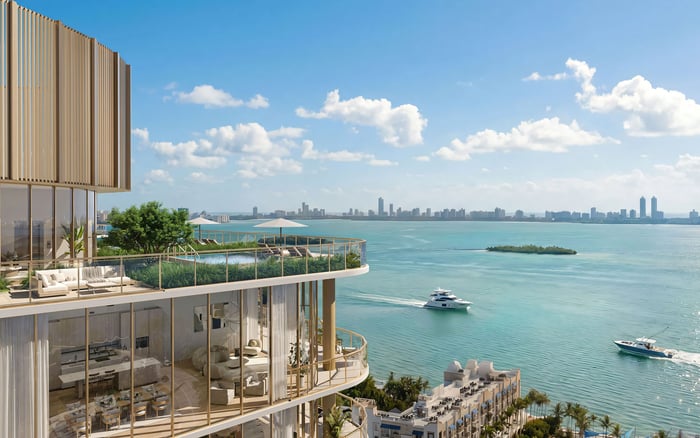
A buyer-focused framework for assessing event-week arrivals at Kempinski Residences Miami Design District, from permitting and resident access rights to valet capacity, guest screening, and operational accountability.
At an ultra-premium residence, arrival should feel effortless even when the surrounding neighborhood is busy. For buyers considering Kempinski Residences Miami Design District, the question is not simply whether valet will be available. It is how resident access, invited guests, and event traffic will coexist when demand concentrates at the entrance.
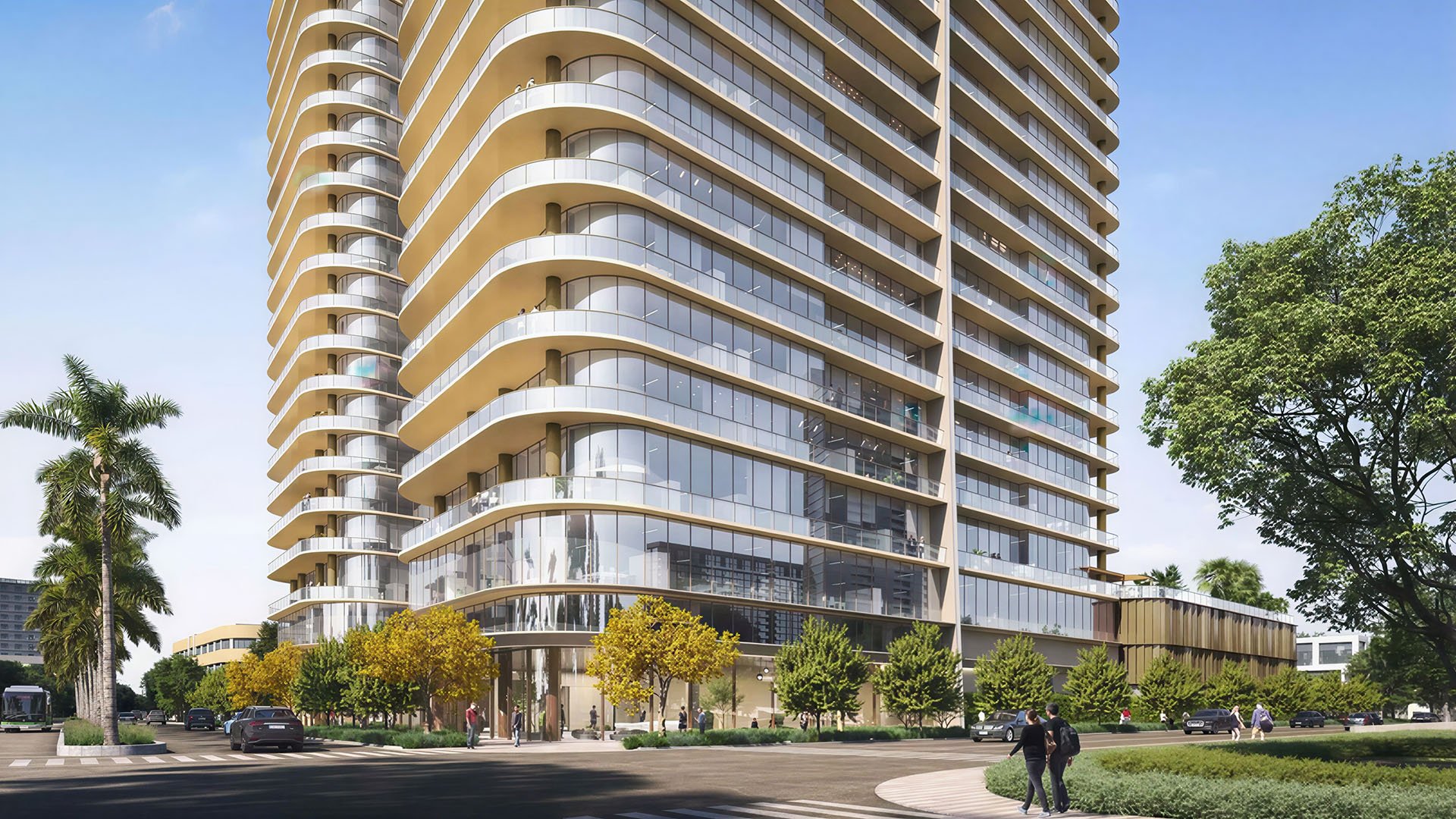
The planned development at 3801 and 3883 Biscayne Boulevard includes 132 private residences across two 20-story towers, plus six townhomes. Anticipated completion is Q4 2029-a projection, not a completed milestone. The arrival design includes an at-grade porte cochère leading from Biscayne Boulevard into a lobby sequence designed by Rockwell Group.
Those architectural details establish the setting, not the operating protocol. Event-week controls, queue capacity, staffing, and guest-preclearance procedures remain diligence questions, not confirmed policies. The distinction matters: a gracious entrance is a design commitment; dependable access requires documented authority and an executable plan.
Begin with the boundary between private property and public space. Which proposed events require permits, which areas would they occupy, and which entity would be the legally responsible permit holder? An owner gathering, a promotional function, and an event affecting a public right-of-way should not be assumed to carry identical obligations.
Ask counsel which current City of Miami requirements apply to the proposed event, including any security, fire-safety, solid-waste, noise, and traffic plans. How would the proposal protect safe movement through surrounding streets and sidewalks?
Counsel should identify the governing-document provisions that would authorize visitor restrictions, arrival windows, or relocated valet service. Ask how those powers interact with resident access and what exceptions would address disability-related needs or urgent medical situations.
Confirm applicable temporary valet permits, application deadlines, and restrictions on occupying streets or sidewalks before accepting an event plan. Miami Beach or South Miami requirements should not be treated as substitutes for the rules applicable to this City of Miami location.
The most revealing management question is numerical: how many vehicles can wait entirely on-site without blocking Biscayne Boulevard, sidewalks, fire lanes, loading areas, or neighboring access? Request a site-specific plan showing that capacity, not a general assurance of seamless service.
Then establish operating thresholds. What arrival-to-ticket and retrieval-time targets would apply? Where would overflow wait, and who could trigger remote staging or pause arrivals? Ask management to distinguish vehicle-storage inventory from the space available for cars awaiting handoff. Neither should be inferred from the presence of a porte cochère.
Counsel should separately establish who holds applicable valet permits and what curb rights exist. If additional event ramping or storage space is proposed, ask whether it has been approved and what limits apply. A proposed overflow location is not a promise of available space.
Residence features include a private elevator lobby and a private valet closet. The closet is an in-residence feature, not evidence of parking capacity, vehicle-valet rights, or exclusive curb access. Keep those categories separate when reviewing sales language and operating documents.
Preclearance deserves a written workflow. What credentials would guests need, when would registration close, and who would approve substitutions? Ask how staff would handle name mismatches, unregistered companions, and guests arriving without a phone. A resident's invitation should not leave the visitor negotiating an unexplained exception at the curb.
Counsel should review what identification and registration management may require, who could override a denial, and what limits would apply to retaining guest, vehicle, and access records. Management should explain the escalation route: who answers, where the guest waits, and how the resident is contacted without obstructing arrivals.
The announced program includes 17 guest suites exclusively for sale to residents, rather than an announced inventory of publicly bookable hotel rooms. Ask whether suite occupants would follow the same registration procedures as other invited guests and how access permissions would be issued and revoked. Do not infer hotel-style public access from the hospitality brand or the existence of those suites.
A proposed event plan should name the person coordinating valet, security, and concierge operations. Ask how residents, event guests, ride-share vehicles, vendors, and deliveries would be separated, and which route would remain available for emergency access. Staffing numbers matter; responsibilities and escalation authority matter equally.
Ask counsel whether off-duty police or additional private security would be required for the proposed event and which entity would bear those costs. Review how contracts and insurance allocate responsibility for vehicle damage, pedestrian incidents, security failures, traffic control, and cleanup.
Residents should also ask when maps and restrictions would be distributed, how changes would be communicated, and what happens when an event runs beyond its expected window. Request a post-event review covering queue lengths, wait times, incidents, and corrective actions. Accountability should be part of the service design, not an improvised response to complaints.
Neighborhood parking should be evaluated separately from the residence's own arrival arrangements. Ask for current district valet and garage availability, hours, and rates rather than assuming they establish Kempinski pricing or access rights.
If management proposes neighborhood parking as overflow, ask for the actual agreement, operating hours, pedestrian route, and retrieval procedure. Nearby capacity is useful only when availability and access have been established for the intended use.
For new-construction diligence, request civil and traffic plans, valet agreements, security and fire/life-safety plans, emergency-access procedures, delivery plans, and governing access rules. Each should identify the responsible party and distinguish proposed arrangements from approved ones.
The same questions can guide a broader shortlist, including EDITION Edgewater or, in Brickell, Cipriani Residences Brickell. This is a framework for comparison, not a claim that those properties share Kempinski's access arrangements.
The purchasing standard is straightforward: seek an arrival experience supported by clear rights, measurable capacity, and accountable management-not merely an elegant threshold.
For a discreet perspective on South Florida residential opportunities, explore MILLION.
If branded residences are on your mind — as a home or as an allocation — we would be glad to share what we are seeing, privately.
Begin a quiet conversationThe development is planned at 3801 and 3883 Biscayne Boulevard, at the gateway to the Miami Design District.
The announced development includes 132 private residences across two 20-story towers, plus six townhomes.
Completion is anticipated in Q4 2029. That date is a projection, not a completed-development milestone.
A final project-specific protocol is not established here. Buyers should request written rules covering resident access, guest registration, queue management, and exceptions.
No; the announced 17 guest suites are exclusively for sale to residents, rather than an announced inventory of publicly bookable hotel rooms.
No; it is an in-residence feature and does not establish vehicle capacity, valet rights, or curbside exclusivity.
Ask how many vehicles can wait entirely on-site without blocking streets, sidewalks, fire lanes, loading areas, or neighboring access. Also request overflow locations and operational thresholds.
They should address credentials, registration deadlines, substitutions, name mismatches, companions, and guests without phones. Counsel should also review denial overrides and record-retention limits.
No; neighborhood parking prices do not establish residential valet pricing or overflow arrangements. Request current rates and any agreement governing residential use.
Request site-specific civil and traffic plans, valet agreements, security and fire/life-safety plans, emergency-access procedures, delivery plans, and governing access rules. Counsel should also confirm current City of Miami requirements.