A practical framework for synchronizing a Madrid home sale, foreign-national portfolio underwriting, developer deposit calls, closing cash, and post-closing reserves when purchasing a Surfside residence.
For a Madrid family moving to Surfside, the central financial question is not simply how much to spend on a residence. It is when each portion of capital must become liquid, where it will be held, and whether deploying it could weaken mortgage approval or the family's Spanish tax position.
Miami preconstruction purchases commonly require aggregate deposits of 20% to 50% of the purchase price, delivered in stages. A typical structure may call for 10% installments at contract and subsequent construction milestones, with the balance payable at closing. Yet market convention is never a substitute for the executed agreement. Deposit calls may follow fixed dates, physical construction events, or both.
The principal risk is a timing mismatch among sale proceeds, deposit calls, financing, and reserves.
This is fundamentally an Investment and Pre-Construction discipline, even when the intended home is a long-term family residence. Buyers should build a single, consolidated calendar covering the Madrid sale, currency conversion, international transfers, every contractual deposit, mortgage approval, closing cash, and required reserves.
The cleanest structure divides available wealth into four protected pools.
Contract capital.
This covers the initial payment due when the purchase agreement becomes binding. It should be immediately accessible and supported by a clear source-of-funds record.
Milestone capital.
Later deposits should be reserved independently, not assumed to come from a future property sale, bonus, dividend, or refinancing. An illustrative South Florida schedule calls for 20% at contract, followed by 10% after 120 days, 10% when the unit slab is poured, and 10% at top-off. The remaining 50% is due at closing. This sequence illustrates potential timing, not the terms of another residence.
Closing capital.
This pool covers the portion of the price not financed. It should remain distinct from deposit funds because the mortgage amount ultimately approved may differ from an early estimate.
Reserve capital.
Lenders can require meaningful liquidity after closing. Program-specific conditions may include verification of the initial down payment, cash to close, and post-closing reserves, along with at least 12 months of principal, interest, taxes, insurance, and association obligations-including at least six months held in a U.S. bank. Larger loans may require additional liquid assets. These conditions show why every euro earmarked for the purchase cannot be treated as spendable cash.
A fifth, internal contingency allocation can protect the family from transfer delays or a milestone arriving earlier than expected. It should not be counted twice as either closing cash or lender reserves.
Foreign-national mortgage programs can accommodate borrowers without a U.S. Social Security number, domestic credit history, or U.S. tax returns by reviewing foreign financial records. Some are portfolio loans retained by the originating institution, allowing manual assessment of overseas income and assets rather than conventional agency underwriting.
The file may require passports, visas, bank statements, income evidence, and a documented explanation of the source of purchase funds. A self-employed principal may also need an accountant's letter confirming business ownership and current and prior-year income. Home-country statements, foreign accountant letters, business-income records, and asset-based evidence may be acceptable under some programs.
Before signing, request a written preapproval addressing the chosen property, proposed ownership structure, acceptable documentation, required reserves, movement of money into the United States, and treatment of gift funds. Because gift funds may not be accepted, assumptions about family transfers are especially risky.
Portfolio financing should be modeled under more than one closing scenario. A lower loan amount can reduce underwriting exposure but consume liquidity intended for reserves. A higher loan amount can preserve capital but may introduce additional requirements. The objective is not maximum leverage. It is a structure that can withstand the full deposit sequence without forcing asset sales at an inconvenient moment.
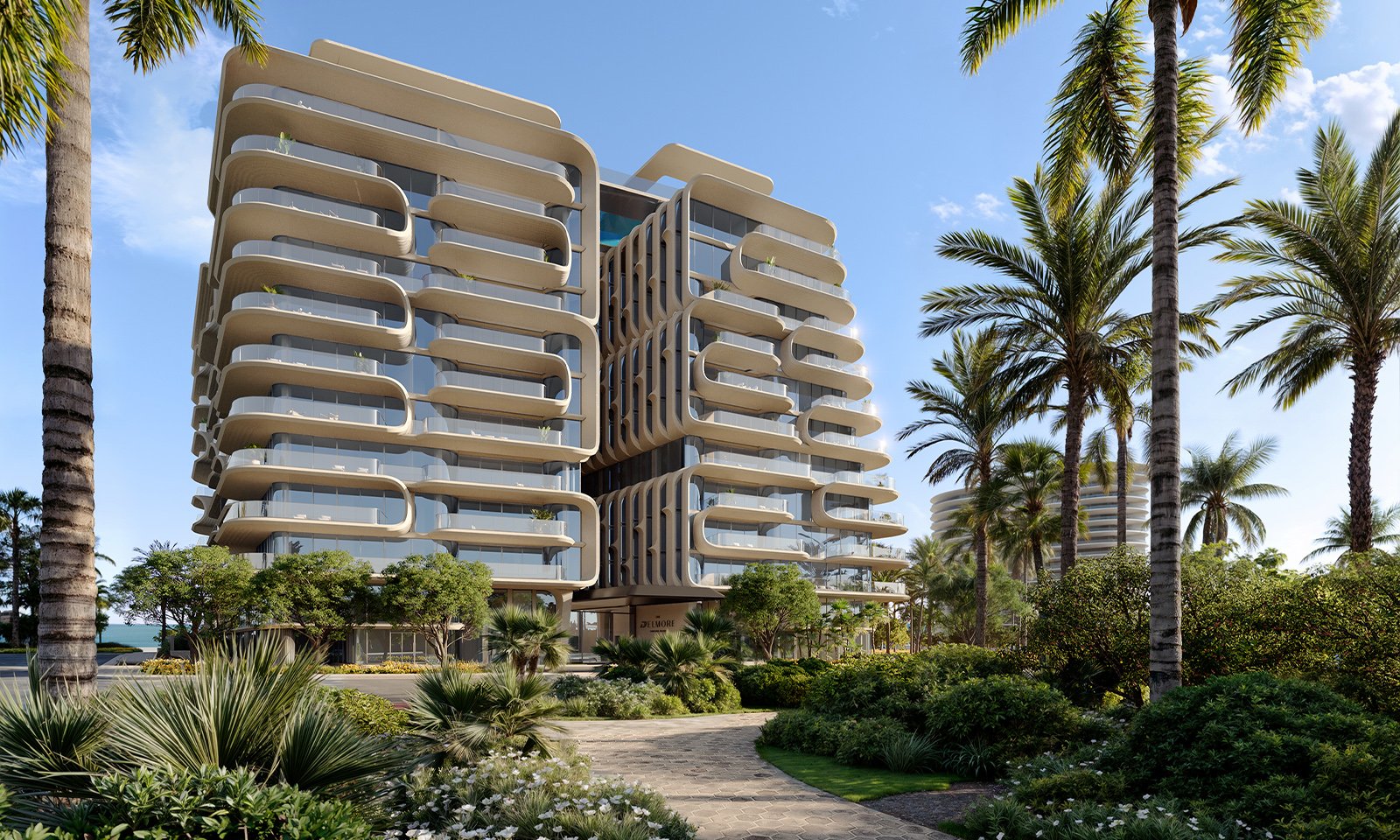
Surfside offers a compact but varied residential market. A family considering The Delmore Surfside should obtain the current contract schedule and milestone definitions rather than rely on any illustrative sequence. The same principle applies when evaluating Arte Surfside, Ocean House Surfside, or The Surf Club Four Seasons Surfside as part of a broader housing comparison.
The relevant distinction is contractual, not stylistic. A residence may be completed, in development, or offered under terms that differ materially from those of a neighboring property. Buyers should verify the amount, due date, triggering event, notice procedure, cure rights, escrow provisions, financing contingencies, assignment restrictions, and closing conditions with Florida counsel.
The absence of a project-specific deposit schedule for a Surfside development underscores a disciplined rule: never turn a market average into a presumed obligation. The signed agreement and subsequent notices govern.
Municipal application fees and cost-recovery deposits are separate from condominium purchase deposits. They should not be confused during legal review or cash forecasting.
Spain provides a potential exemption for gain on the sale of a habitual residence when the full amount obtained is reinvested in another qualifying habitual residence. The general reinvestment window is two years before or after the former home is sold. If only part of the proceeds is reinvested, the exemption is proportional rather than complete.
The exemption must be claimed, and both the former and replacement properties must satisfy the applicable habitual-residence requirements. A Surfside purchase-particularly one involving staged payments before completion-requires individualized Spanish advice on whether the property and payment chronology qualify.
Tax residence at the time of the Madrid sale also matters because separate rules apply to non-residents. When a non-resident sells Spanish real estate, the buyer generally withholds 3% of the purchase price as an advance payment against the seller's non-resident tax liability. That withholding can reduce immediately deployable proceeds and should be reflected in the liquidity calendar rather than treated as available purchase capital.
Spanish tax counsel should map the sale date, each reinvestment payment, intended occupancy, and filing position. Florida counsel and the mortgage adviser should then test that map against the developer schedule and underwriting requirements.
A practical sequence begins with document collection and written lender screening. Next comes a contract-level deposit schedule, followed by a sale-proceeds forecast stated net of taxes, withholding, debt repayment, and transaction costs. Currency-conversion and transfer lead times should be assigned to each payment, not handled as a single closing-day task.
The family should then run three checkpoints: immediately after contract, after the largest milestone call, and immediately after closing. At each point, confirm remaining liquid assets, lender-recognized reserves, and the location and ownership of funds. New-construction timing can shift, but capital readiness should not depend on an optimistic completion date.
For readers consulting Buyer's Guides, the decisive lesson is simple: a beautiful residence is only one component of the move. A durable result comes from aligning legal obligations, portfolio credit, tax residence, family cash flow, and cross-border execution before the first deposit is released.
For a discreet review of Surfside opportunities and purchase strategy, connect with MILLION.
If branded residences are on your mind — as a home or as an allocation — we would be glad to share what we are seeing, privately.
Begin a quiet conversationThey commonly total 20% to 50% of the purchase price and are paid in stages during construction.
Yes. Calls may be tied to fixed dates or construction milestones, so funds must be ready on the developer's contractual timetable.
Some foreign-national programs can underwrite borrowers without U.S. credit history, a Social Security number, or U.S. tax returns by using foreign records.
The file may require a passport, visa, bank statements, income verification, and evidence explaining the source of purchase funds.
A lender may request an accountant's letter documenting business ownership and current and prior-year income.
A lender may require verified liquidity after closing, so funds used to complete the purchase cannot also satisfy the reserve requirement.
No. At least one foreign-national program does not accept gift funds, and the applicable lender's written rules should control.
A gain may be exempt when the full amount obtained is reinvested in another qualifying habitual residence and all conditions are met.
The general window is two years before or after the sale of the former habitual residence, subject to the applicable requirements.
No. Buyers should rely on the executed agreement's exact amounts, dates, milestones, and notice provisions.