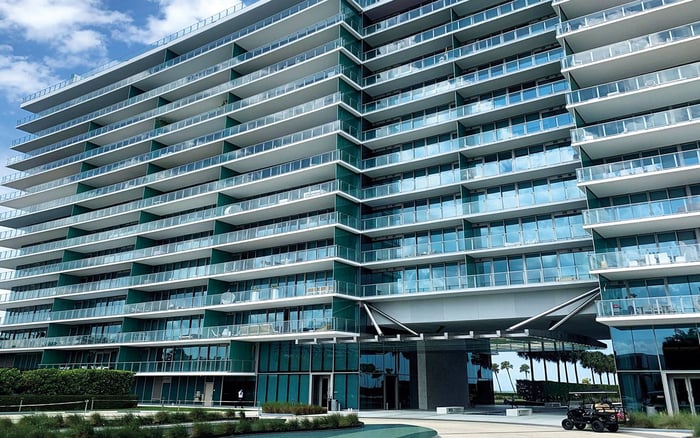
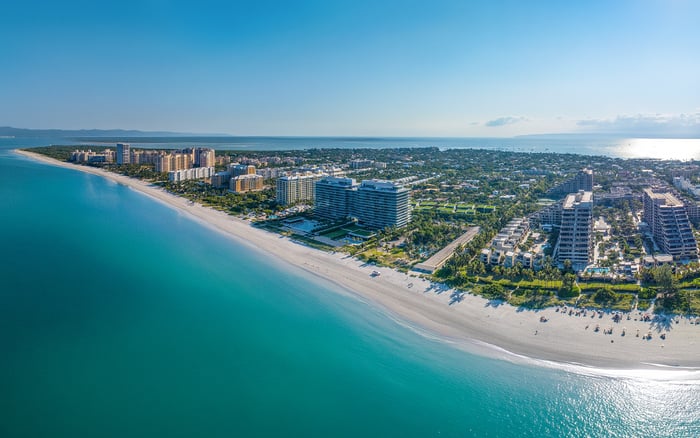
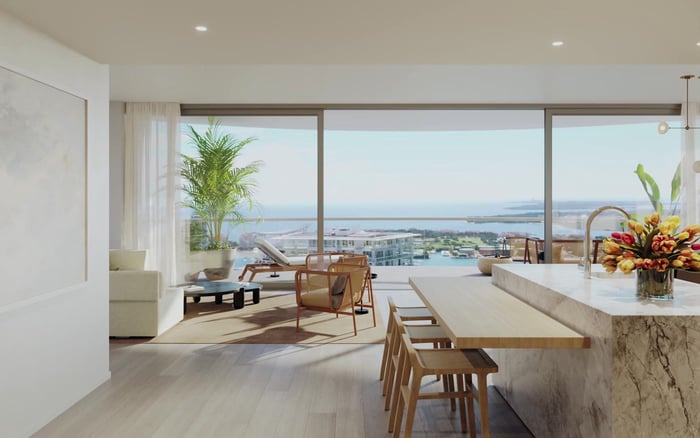
An ocean view is a present condition unless recorded rights protect it. Before closing in Key Biscayne, buyers should investigate adjacent parcels, zoning capacity, coastal controls, pending applications, and the portion of the price attributable to the view.
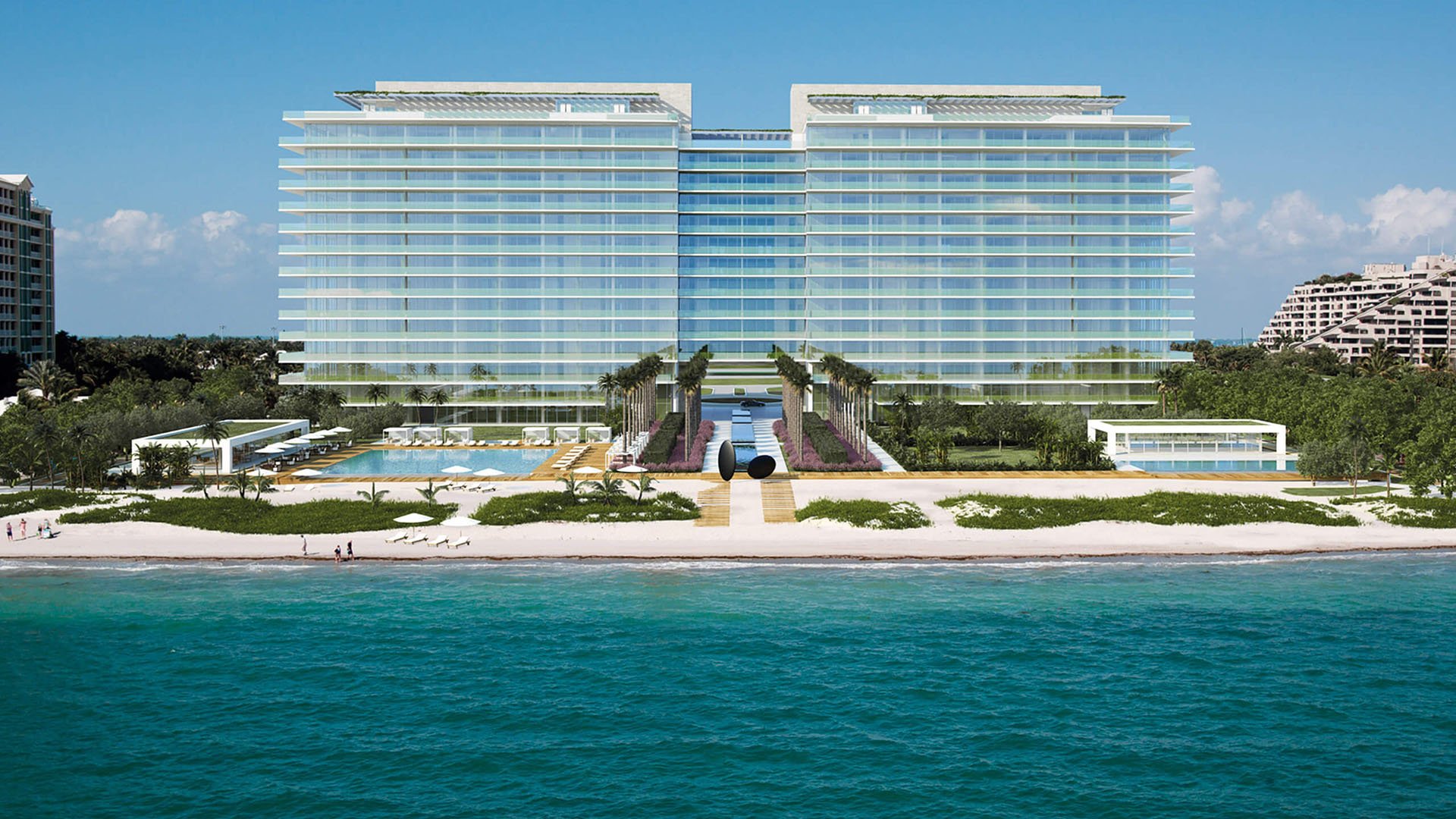
A blue horizon can define the emotional and financial appeal of a Key Biscayne residence. Yet the view visible during a showing is typically a present condition, not an assurance that the sightline will remain open. Florida generally does not provide an automatic legal right to preserve light, air, or a view across adjoining private property.
That distinction should shape the closing process. Counsel should search title records affecting the condominium and neighboring land for an express view easement, restrictive covenant, height restriction, or other recorded protection. Waterfront riparian rights may protect certain views over water, but that narrow doctrine should not be treated as a shield against construction on an adjoining parcel.
Marketing terms such as oceanfront, direct ocean view, or unobstructed view should therefore be read as descriptions of current conditions unless enforceable documents say otherwise. This is especially important when evaluating Oceana Key Biscayne or any residence whose pricing reflects unusually open Atlantic exposure.
A view premium is strongest when the sightline is supported by law, land constraints, and disciplined pricing.
The due-diligence map should extend beyond the property immediately next door. A parcel beside the tower, a low-rise site at an angle, or land farther seaward may affect the view from a living room, primary suite, terrace, or pool deck. Ask a surveyor or land-use professional to overlay parcel boundaries onto the unit's actual sightlines rather than relying on aerial photographs or impressions from the balcony.
For each relevant parcel, confirm ownership, current use, zoning district, and whether the existing structure occupies the site's full legal envelope. Multiple-family, hotel, and special-use districts lie along the eastern side of Key Biscayne, making parcel-specific redevelopment analysis particularly important near oceanfront condominiums.
A small neighboring building is not necessarily reassuring. If the parcel is underbuilt, its unused development rights may support a materially larger replacement. Conversely, a building already near its permitted height, floor-area ratio, lot coverage, and setbacks may present a more durable boundary, subject to later code changes, approvals, or variances.
Request a written zoning analysis for the condominium parcel and every potentially obstructing site. It should address maximum height, floor-area ratio, lot coverage, density, setbacks, permitted uses, and conditional-use potential. The analysis should also explain how height is measured-whether from grade, a flood elevation, or another defined base.
That measurement issue matters in a resilient coastal setting. Key Biscayne has allowed single-family homes on pilings with open ground-level understories while retaining a nominal 35-foot height restriction. Some residential standards also use a 35-foot maximum, but no buyer should apply that figure broadly without confirming the district and parcel. Even limited variance categories can permit an additional 6 or 12 inches of structural height in specified circumstances.
Current limits should not be mistaken for permanent ones. Local regulations governing height, setbacks, floor-area ratio, uses, parking, and roof features have changed before. A sophisticated investment decision should test both today's rules and the view premium's sensitivity to plausible future amendments.
This parcel-envelope approach also provides a useful lens for comparing other coastal properties, including Eighty Seven Park Surfside and The Perigon Miami Beach. The relevant question is not whether two residences both offer water exposure, but how much privately controlled, developable land sits within each critical viewing corridor.
Zoning is only one layer. Florida regulates excavation and construction seaward of the Coastal Construction Control Line, commonly called the CCCL. The line should be mapped against the condominium, adjoining parcels, beach improvements, and any land capable of entering the unit's view.
Ask whether a neighboring owner has applied for or received a CCCL permit, exemption, or other coastal approval. Zoning compliance alone does not establish coastal-development feasibility. CCCL review can consider reasonably continuous and uniform existing construction lines, so the position of neighboring buildings may influence whether future work can extend farther seaward.
Key Biscayne Beach Preservation rules add another layer within Miami-Dade's regulated beach area. Covered nonhabitable structures, minor structures, and restaurants face limits. Structures subject to the applicable height rule are limited to one story and no more than 20 feet above the specified flood or wave elevation. An individual covered structure may occupy no more than 15 percent of the permitted area. These constraints can support a sightline, but they do not eliminate the possibility of taller development farther landward under other rules.
For a buyer comparing Atlantic exposure with broader waterfront or waterview living, The Residences at Six Fisher Island can serve as a reminder that every orientation requires its own map of intervening parcels and regulatory boundaries. The analysis follows the view, not the marketing category.
Before the due-diligence period expires, request records for pending site plans, building permits, variances, conditional uses, zoning interpretations, and coastal approvals affecting every relevant parcel. Building-permit plans and site plans are reviewed for zoning compliance, making parcel-specific inquiries essential.
The buyer's team should ask direct questions. Has an adjacent owner sought a pre-application meeting? Is a variance under review? Does a site retain unused density or floor area? Are rooftop features permitted above the principal height plane? Is there an active CCCL application or exemption? Have lot combinations or assemblages altered the realistic redevelopment scenario?
Flood-resilience measures deserve separate review. A draft tidal-flood-barrier ordinance proposed a 6.50-foot NAVD88 minimum for new or substantially rehabilitated barriers, with the ability to rise to 8.50 feet by 2075. The draft concerned waterfront property other than the Atlantic Ocean, so its current adopted status and applicability to bay, canal, or side frontage must be verified rather than assumed.
A durable premium usually combines three elements: enforceable recorded protection, intervening parcels already near their legal envelope, and meaningful constraints created by setbacks, beach rules, or the CCCL. The premium is less secure when a privately owned parcel remains materially underbuilt or when pending applications could alter the corridor.
Ask the broker or appraiser to compare the residence with higher-floor units, views backed by stronger protections, and partially obstructed alternatives. The goal is to isolate how much of the contract price is attributable to the horizon. Then model what that component might look like if a neighboring building reaches its maximum envelope. The exercise does not predict construction; it reveals how much capital depends on an assumption.
This disciplined review belongs in MILLION's Buyer's Guides because it turns an aesthetic judgment into a closing decision. The most compelling Key Biscayne residence is not merely the one with the finest view today. It is the one whose price, documents, zoning context, and coastal constraints make that view premium intelligible and appropriately valued.
For discreet guidance on evaluating South Florida's exceptional residences, connect with MILLION.
If branded residences are on your mind — as a home or as an allocation — we would be glad to share what we are seeing, privately.
Begin a quiet conversationNo. Florida generally provides no automatic right to preserve a view across adjoining private property, so recorded protections must be investigated.
Counsel should search for an express view easement, restrictive covenant, height restriction, or another enforceable recorded provision.
Not generally. Riparian rights can protect certain views over water, but they should not be treated as protection against development on adjoining land.
Confirm height, floor-area ratio, lot coverage, density, setbacks, permitted uses, conditional uses, and how building height is measured.
An underbuilt parcel may retain unused development rights that could support a larger replacement structure and affect the view.
The Coastal Construction Control Line regulates certain excavation and construction near the coast. Mapping it helps assess what may be feasible on potentially obstructing parcels.
No. They constrain certain structures in the regulated beach area, but taller development may still be possible farther landward under other rules.
Request site plans, permits, variances, conditional uses, zoning interpretations, and coastal approvals for every parcel that may affect the sightline.
Compare the unit with higher-floor, protected-view, and partially obstructed residences to isolate how much value is being assigned to the current view.
It is generally stronger when recorded rights protect the sightline, intervening parcels are near their legal envelope, and coastal or setback rules meaningfully constrain development.