A disciplined operating plan can make a Bay Harbor Islands residence easier to manage from Amsterdam. The essential framework combines a seasonal calendar, professionally specified humidity controls, authorized local response, and official emergency alerts.
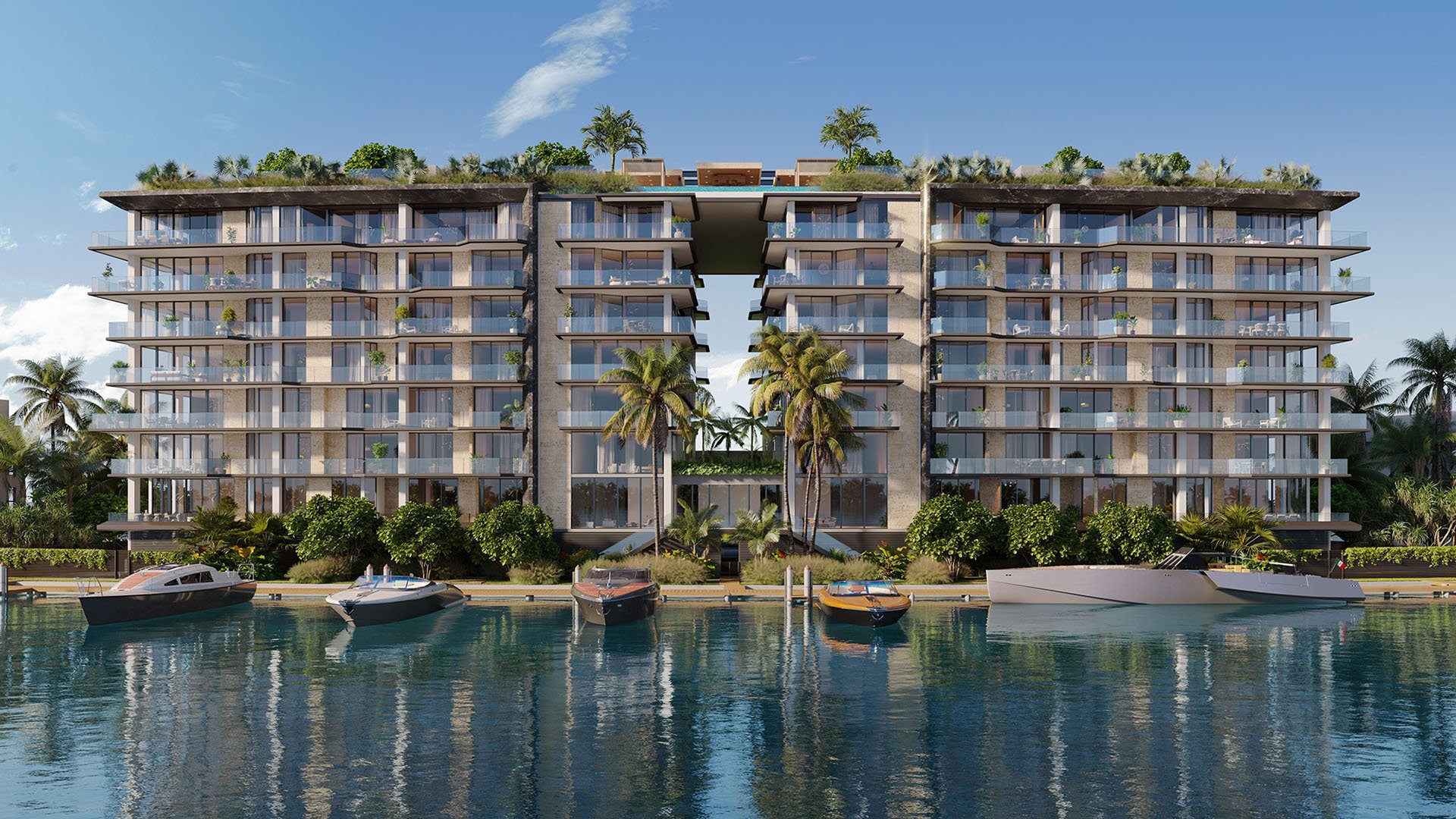
For an Amsterdam family, a Bay Harbor Islands home may serve several roles: a seasonal residence, a school-holiday retreat, and a base for extended family. The most effective arrangement begins by treating the property not as a home simply locked between visits, but as an operating asset with a calendar, delegated authority, and a documented response system.
South Florida's summer humidity and storm exposure make advance planning important during extended absences. A coordinated plan should address climate control, inspections, building access, emergency communication, and the authority to act when the owner is overseas.
A seasonal residence performs best when every absence has a calendar, an owner, and a response path.
Before leaving for Amsterdam, establish exact dates for owner occupancy, guest use, housekeeping, inspections, contractor access, and the fully vacant period. The calendar should assign responsibility for each date rather than rely on informal availability.
A practical calendar has four phases. The departure phase covers inspection, cleaning, removal of perishables, and confirmation of building access. The vacant phase schedules local visits and monitoring. The return phase allows time for systems to be checked before the family arrives. The storm phase overrides the ordinary schedule and activates a separate set of instructions.
For a second home, the calendar should be shared with the owner, the locally authorized responder, and building management where required. Review it before every summer absence and whenever an access contact changes. If a family is comparing residences such as Alana Bay Harbor Islands and Onda Bay Harbor, examine the relevant association procedures before purchase. Rules governing access, storm preparation, deliveries, and vendors can shape the remote-ownership plan.
Humidity management should be specified for the particular residence. Floor plan, glazing, exposure, mechanical equipment, interior finishes, and association rules can all affect the correct approach. Owners should ask a licensed HVAC contractor and the condominium association to confirm operating settings, service intervals, alert thresholds, condensate-line care, and any permitted auxiliary equipment. Generic settings are no substitute for residence-specific direction.
The written protocol should state what remains powered, which alerts are monitored, who receives them, and how quickly the local responder should attend. It should also define what that person may do before contacting the owner. Water-valve procedures, electrical shutdowns, generator access, and entry authorization should be confirmed rather than assumed.
A balcony also requires attention before a long absence, especially when outdoor furniture may need to be moved inside as part of storm preparation. Owners considering La Maré Bay Harbor Islands should request the building's current written requirements rather than rely on practices from another property.
Each local visit should follow a repeatable checklist. It can include a visual review of ceilings, walls, windows, mechanical areas, cabinetry, and floors, along with confirmation that monitoring equipment is communicating. Any sign of water intrusion, unusual odor, equipment failure, or power loss should trigger the escalation sequence established by the owner and building.
A contact list is not a response plan. One locally authorized person should be able to enter the residence, receive leak or equipment alerts, contact approved vendors, and coordinate with building management. A backup should be designated in case the primary responder is unavailable.
The Amsterdam-based owner and local responder should hold the same current packet. It should include contact details for building management, the HVAC contractor, other approved vendors, and family decision-makers. It should also record entry permissions, key or credential procedures, insurance contacts, the occupancy calendar, and residence instructions.
The responder's authority should be explicit. Define approval limits, communication expectations, and documentation requirements in advance. Photographs, service notes, and invoices can then be stored with the residence record, preserving continuity when personnel change. This quiet administrative structure reduces improvisation during an event.
Prospective buyers at The Well Bay Harbor Islands should make remote-management questions part of their due diligence: Who may enter? How is after-hours access handled? What preparation belongs to the owner, and what must be coordinated through management? The answers should be captured in the final property manual.
Both the owner and local responder should register for applicable official emergency messages and monitor current local and county communications. Duplicate access matters because an overseas owner should not become the sole relay for urgent information.
The storm checklist should distinguish between early preparation and mandatory action. For absent owners, preparation may include coordinating permitted storm protection, moving outdoor furniture inside, securing openings, removing perishables, and following approved procedures for appliances and utilities. Every measure must be reconciled with the building's rules and licensed professional guidance.
Families present in South Florida should decide where they will stay and how they will leave before a storm. During an active event, follow current official instructions and verify evacuation information through the applicable local authorities.
A well-managed seasonal home requires one formal review before summer. Confirm the calendar, caretaker instructions, building procedures, emergency contacts, vendor availability, and access permissions. Test alert delivery to both Amsterdam and the local responder. Record every change in one controlled version of the property manual.
This annual discipline is also an opportunity to remove ambiguity. Confirm who handles storm preparation, who can authorize urgent work, who communicates with management, and who documents the residence after an event. The result is discreet resilience: the home remains prepared without requiring the owner to manage every local detail from abroad.
For discreet guidance on selecting and operating a South Florida residence, connect with MILLION.
If branded residences are on your mind — as a home or as an allocation — we would be glad to share what we are seeing, privately.
Begin a quiet conversationComplete the plan before the summer absence begins. Review it again before every extended absence.
Record owner stays, guest use, housekeeping, inspections, contractor access, vacant periods, and storm responsibilities with a named person for each task.
There is no universal setting in this guidance. Ask a licensed HVAC contractor and the association to specify settings and procedures for the residence.
Both the Amsterdam-based owner and a locally authorized responder should receive alerts and have the same written escalation instructions.
The responder should have documented permission to enter, contact approved vendors, receive alerts, and coordinate with building management within agreed limits.
Use the inspection frequency established with building management, licensed contractors, and the owner's operating plan. Record each visit and any corrective action.
The property plan should address when outdoor furniture must be moved inside for storm preparation. Confirm timing and responsibility with the association.
Register for applicable official alerts and ensure the local responder receives them as well.
Follow current instructions from the applicable local authorities. Verify evacuation information when an order is announced.
Review it before each summer absence and whenever contacts, access permissions, vendors, or building procedures change.