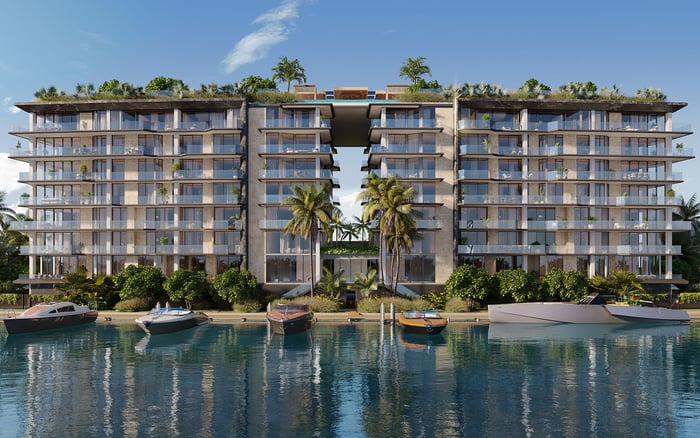
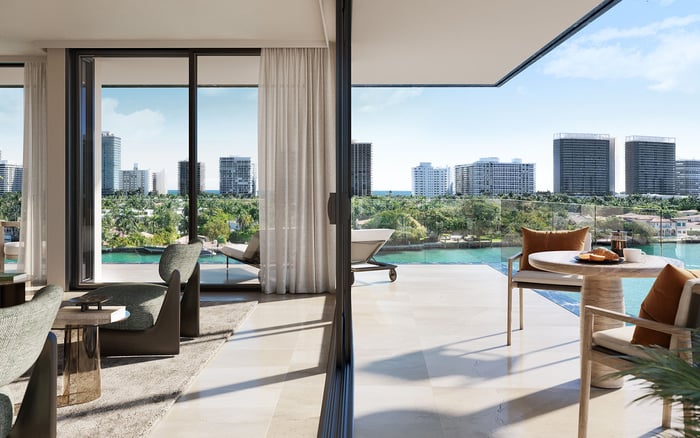
For a family office considering a move from Abu Dhabi to Bay Harbor Islands, hurricane preparedness belongs in acquisition due diligence. The essential distinctions concern official alerts, emergency access, documented backup-power coverage, and a professionally managed return after a storm.

For a family office considering a move from Abu Dhabi to Bay Harbor Islands, the most consequential property questions may concern what happens when ordinary services stop. Interiors and waterfront outlooks deserve attention, but so do the arrangements that protect household continuity: who receives emergency messages, what backup power serves, and who assesses the residence before the family returns.
Treat hurricane readiness as an acquisition discipline, not a seasonal errand. The objective is not to promise uninterrupted living through a hurricane. It is to understand the residence’s operating limits and establish a clear chain of responsibility before those limits are tested.
When considering Alana Bay Harbor Islands, for example, make the emergency operating plan a distinct diligence request alongside the residential offering. A project’s inclusion in a search should prompt questions, not assumptions about its storm performance or services.
Bay Harbor Islands offers CodeRED registration for general and emergency town messages. For an internationally managed household, designate both a local representative and a family-office contact to monitor official communications, with an agreed process for escalating decisions.
Miami-Dade non-emergency information is available at 311 or 305-468-5900. Keep those numbers in the household’s emergency contact file, clearly distinguished from emergency-response contacts and building-management numbers. The file should identify roles as well as names: who communicates with management, who authorizes expenditure, and who updates principals abroad.
Establish those responsibilities before occupancy. Ask the household team to keep contact details available away from the residence and agree on a fallback communications method. These are recommended administrative measures, not a town-mandated protocol. Their value is clarity when several people, potentially in different countries, must act on the same information.
A vehicle, driver, or private security arrangement does not establish permission to reach a property during an emergency. Keep two workstreams separate: official instructions governing access, and household arrangements for leaving, staying elsewhere, and returning when permitted.
Ask the relevant authorities how current access restrictions and re-entry instructions will be communicated. Do not build a plan around an assumed bridge-closure threshold, a promised travel time, or an informal assurance of priority access. Those details require current confirmation; they cannot be inferred from a property’s location or service level.
For a residence under consideration at Bay Harbor Towers, ask management how it intends to communicate building-access status and staff availability. Keep that answer separate from any official access decision. Entry to the area, entry to the building, and readiness to occupy the apartment are distinct questions in the household plan.
“Backup power” is not a sufficient specification for a purchase decision. Request a written description of the equipment served, the conditions under which it operates, and the assumptions behind any stated runtime. Do not infer apartment-wide coverage from the presence of a generator.
The review should establish whether coverage includes particular elevators, common-area lighting, water-related equipment, access systems, communications equipment, or selected circuits inside the residence. Address air-conditioning and refrigeration separately. These are questions to resolve, not features to presume at any condominium.
Apply the same discipline when evaluating Onda Bay Harbor: request the applicable backup-power documentation and have a qualified adviser interpret it against the household’s needs. A clear distinction between shared-building functions and private residential loads is more useful than broad resilience language.
Ask for runtime assumptions at the specified load, fuel arrangements, maintenance responsibilities, and the plan if replenishment is delayed. For each service essential to the family, record whether it is supported, unsupported, or awaiting confirmation. An unresolved item should remain unresolved in the acquisition file-not become an expectation through repetition.
Miami-Dade maintains a dedicated generator-permit process. Treat a permanent installation as a permitted construction and engineering matter, not an ordinary appliance purchase. Confirm the applicable review route with the authority responsible for the Bay Harbor Islands property.
Have qualified professionals resolve the relevant building, electrical, mechanical, plumbing, and zoning questions as applicable. Ask them to address flood elevation, wind resistance, anchoring, exhaust placement, and carbon-monoxide protection under the governing requirements. Do not import another jurisdiction’s checklist, numerical separation rule, or certification procedure into a local specification without confirmation.
Portable equipment requires an equally firm safety boundary. Never operate a portable generator inside a home, garage, crawlspace, shed, or similar enclosure. Its exhaust creates a potentially fatal carbon-monoxide hazard. Portable generators belong outdoors, well away from doors, windows, and vents; they are not an improvised indoor substitute for documented building backup power.
Arrange the professional review process before a storm, rather than assembling it after damage is suspected. The following approach is a recommended owner-side diligence framework, not a municipal inspection checklist or a statement of mandatory re-entry procedures.
Ask management who will assess shared systems and communicate restrictions. Separately, identify qualified professionals to evaluate concerns within the residence, with the scope determined by conditions and their expertise. Request written findings, photographs where appropriate, and a clear record of unresolved issues. Do not rely solely on a general assurance that the property looks normal.
For a buyer considering The Well Bay Harbor Islands, establish who coordinates that information between management and the owner’s advisers. Clarify responsibilities without assuming a particular inspection service is included.
The family office should distinguish permission to return from its own decision to resume occupancy. Follow official restrictions and professional advice. Do not ask household staff to enter unsafe areas or assess electrical or structural hazards themselves.
Whether the residence becomes a primary base or an intermittently occupied home, appoint one person to maintain the readiness file. It should bring together official alerts, management contacts, generator documentation, household departure arrangements, and post-storm professional follow-up. Review it when personnel, equipment, or occupancy needs change.
For an Abu Dhabi-based family office, discretion and comfort are best supported by precise responsibilities. The purchase decision should reflect what is documented, what requires professional interpretation, and what remains dependent on official instructions or post-storm conditions.
For a considered approach to Bay Harbor Islands residential selection, explore MILLION.
If branded residences are on your mind — as a home or as an allocation — we would be glad to share what we are seeing, privately.
Begin a quiet conversationMake emergency communications, access planning, documented generator coverage, and post-storm review responsibilities part of acquisition diligence.
Bay Harbor Islands offers CodeRED registration for general and emergency town messages. Designate a local representative and a family-office contact to follow official communications.
Miami-Dade non-emergency information is available at 311 or 305-468-5900. Keep these separate from emergency-response and building-management contacts.
Do not assume private transport or security arrangements confer access permission. Confirm current restrictions and re-entry instructions with the relevant authorities.
Do not infer apartment-wide coverage from the presence of a generator. Request written documentation distinguishing shared-building functions from private residential loads.
Request the specified load, fuel arrangement, maintenance responsibilities, and assumptions behind any runtime statement. Ask how delayed fuel replenishment would affect the plan.
No. Miami-Dade maintains a dedicated generator-permit process, and the applicable review route for the property should be confirmed with the responsible authority.
Portable generators belong outdoors, well away from doors, windows, and vents. Never operate one inside a home, garage, crawlspace, shed, or similar enclosure because of potentially fatal carbon-monoxide exposure.
No. It is an owner-side planning recommendation, with the actual scope determined by qualified professionals, conditions, and applicable official instructions.
Appoint an accountable local lead to maintain contacts, documentation, and follow-up arrangements. Connect that person to a designated family-office decision-maker abroad.