A practical, buyer-focused guide to evaluating bridge-clearance planning before signing a contract at Five Park Miami Beach, with emphasis on vessel dimensions, route usability, marina logistics, and contract diligence.
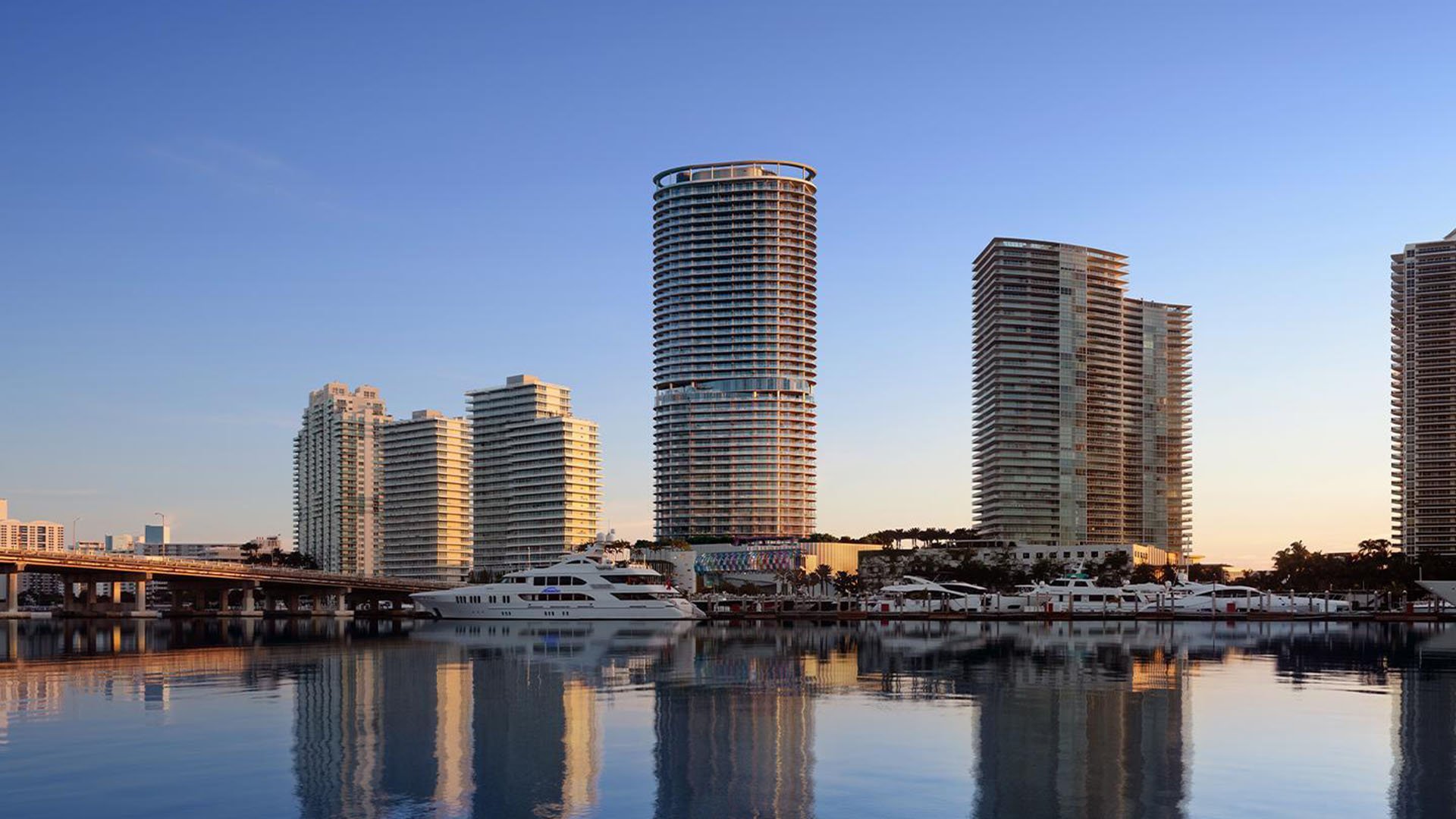
At the upper end of the Miami Beach market, water is never just a view. It is a daily operating system: where the boat is kept, how quickly a captain can reach open water, whether an evening run feels spontaneous or scheduled, and whether a future vessel will still fit the route. For a buyer considering Five Park Miami Beach, bridge-clearance planning belongs in the conversation before contract, not after design selections, financing terms, or closing calendars begin to feel fixed.
This is not romance versus practicality. It is where the two meet. A residence may deliver a compelling waterview and still require disciplined analysis if the owner expects regular boating. A low bridge, a tight route, tidal timing, or an unavailable boat slip can turn a seemingly simple waterfront lifestyle into a series of compromises.
The most elegant approach is also the most sober: evaluate the entire boating chain before committing. That means understanding the vessel, the berth, the route, the bridge conditions, the contract timeline, and the professionals who should review each element.
Buyers often begin with the building, then ask where the boat might fit. For bridge-clearance planning, the order should be reversed. The proper starting point is the vessel’s profile: air draft, beam, draft, fixed equipment, tower height, radar placement, antennas, outriggers, and canvas. Even modest equipment changes can determine whether a route feels effortless or conditional.
If the buyer already owns a boat, the review should use current measurements, not brochure assumptions. If the buyer plans to upgrade, the diligence should test the future vessel as well. A contract that works for today’s center console may not work for tomorrow’s larger yacht. That difference matters most when the purchase is part of a broader lifestyle repositioning, such as moving from seasonal use to a more permanent Miami Beach boating routine.
A captain or marine consultant can help translate vessel dimensions into practical clearance requirements. The issue is rarely a single number. It is how that number behaves under real conditions: tide, load, fuel, passengers, electronics, and the owner’s tolerance for timing a passage.
Bridge clearance is only one part of navigational utility. The more useful question is whether the full route supports the way the owner intends to live. Where is the nearest marina that can accommodate the vessel? Is the route direct or circuitous? Does passage require waiting for openings, navigating narrow sections, or coordinating around peak traffic? Is there convenient access to fuel, service, detailing, crew parking, and provisioning?
A buyer should map the actual path from the intended berth to the preferred boating grounds. The exercise should account for ordinary days, busy weekends, and less-than-perfect weather. A route that looks acceptable on a calm weekday can feel very different when timing, wind, current, and congestion converge.
For Five Park Miami Beach, the premium buyer’s question is not simply whether boating is possible. It is whether boating feels natural enough to support the lifestyle expectation attached to the address. That distinction is central. A residence can be exceptional for design, views, amenities, and urban access while still requiring a separate, carefully chosen marine plan.
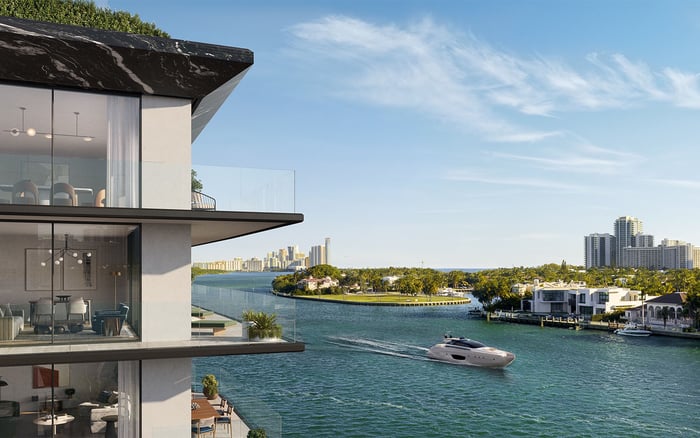
Luxury buyers sometimes conflate waterfront outlook with water access. They are related, but they are not the same asset. Waterview value speaks to light, horizon, mood, privacy, and daily atmosphere. Boating utility speaks to logistics: berth location, vessel compatibility, bridge clearance, travel time, service access, and operating predictability.
Both may matter, but they should be underwritten separately. A buyer who loves the residence for its architecture and outlook may decide that an off-site marina solution is perfectly acceptable. Another buyer may require immediate, frictionless vessel access and treat route limitations as a material issue. Neither position is wrong. The mistake is failing to define the priority before contract.
This is especially relevant in pre-construction purchasing, where a buyer may be evaluating a future home while also planning a future boating program. The time gap can make assumptions feel harmless. In reality, it is the best moment to be precise.
Bridge-clearance planning should be coordinated with contract review. The purchase team should not treat marine diligence as an informal side conversation if boating is material to the buyer’s decision. Instead, the buyer should identify what must be verified before obligations become less flexible.
Useful diligence may include confirming vessel dimensions, evaluating potential marina options, reviewing slip availability, understanding route constraints, speaking with a captain, and coordinating insurance questions. If a buyer’s willingness to proceed depends on a particular slip arrangement or navigational outcome, that concern should be discussed with counsel before the contract is signed.
The goal is not to overcomplicate the purchase. It is to align expectations with enforceable timing. In a high-value acquisition, ambiguity is rarely luxurious. Clarity is.
A sophisticated bridge-clearance review is collaborative. The real estate advisor frames the residence and neighborhood context. The attorney evaluates contractual exposure. The captain or marine consultant tests the vessel and route. The marina contact clarifies practical berth issues. The insurance advisor can flag whether storage, access, or usage patterns create underwriting questions.
Each professional sees a different risk. Together, they help the buyer distinguish between inconvenience, negotiable planning, and a true lifestyle mismatch.
For a buyer focused on Five Park Miami Beach, this team should be assembled early enough to influence the decision, not merely validate it. Boat-slip planning, route comfort, and marina practicality are not afterthoughts for a buyer whose coastal identity includes regular time on the water.
Several issues deserve heightened attention before contract. The first is a route that only works at certain tides or under ideal conditions. The second is uncertainty around where the vessel will actually be kept. The third is an intended future boat that has not been measured against bridge and route constraints. The fourth is reliance on verbal assurances when the buyer’s lifestyle depends on a specific marine arrangement.
A fifth red flag is emotional sequencing. Once a buyer has fallen in love with the residence, practical concerns can become easier to minimize. The better discipline is to admire the home fully, then test the boating plan independently. If both survive scrutiny, confidence increases.
Bridge clearance is not meant to diminish the appeal of a premier Miami Beach residence. It is meant to protect the buyer from confusing aspiration with access. The most satisfied owners tend to know exactly what they are buying, and exactly how the property will function once the closing dinner is over.
Why should bridge clearance be reviewed before contract? Because it can affect whether the buyer’s boating lifestyle works in practice. Waiting until later may reduce flexibility.
Is bridge clearance only relevant for large yachts? No. Towers, antennas, radar, canvas, and other equipment can make clearance relevant for smaller vessels as well.
What vessel measurement matters most? Air draft is central, but beam, draft, fixed equipment, and future modifications should also be reviewed.
Should I rely on a marina’s general statement about access? General guidance is helpful, but a buyer should test the specific vessel, route, and expected use pattern.
Does a waterview mean strong boating utility? Not necessarily. View value and navigational utility should be evaluated as separate parts of the purchase.
Who should advise on the boating route? A captain or marine consultant is often best positioned to evaluate vessel fit, route comfort, and operating conditions.
Can an off-site marina still support a luxury lifestyle? Yes, if it offers the right berth, access, services, and travel pattern for the owner’s routine.
How does pre-construction status affect the review? It can create more time to plan, but it also requires discipline because the buyer may be making decisions before daily routines are tangible.
What if I plan to buy a larger boat later? The future vessel should be part of the analysis now, especially if the residence is being chosen around a boating lifestyle.
Is Five Park Miami Beach still worth considering if boating requires planning? Yes, provided the buyer separates the value of the residence from the marine logistics and confirms both meet personal priorities.
When you're ready to tour or underwrite the options, connect with MILLION.
If branded residences are on your mind — as a home or as an allocation — we would be glad to share what we are seeing, privately.
Begin a quiet conversation