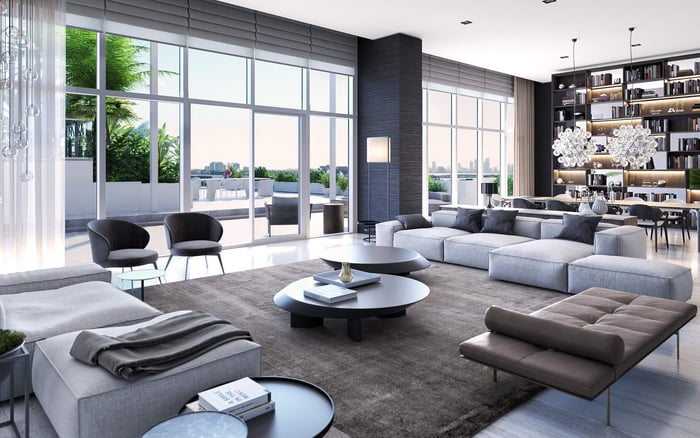
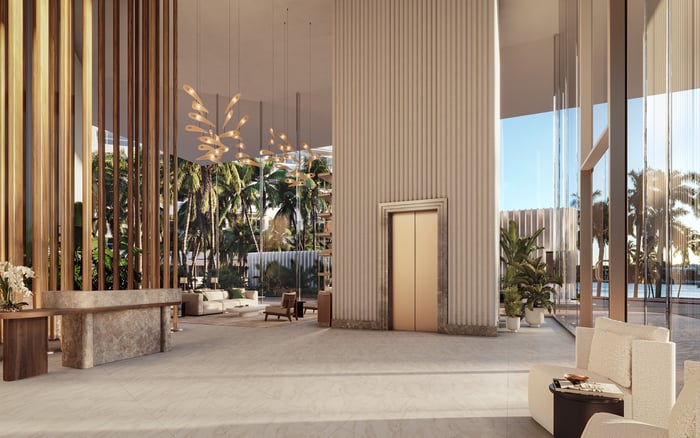
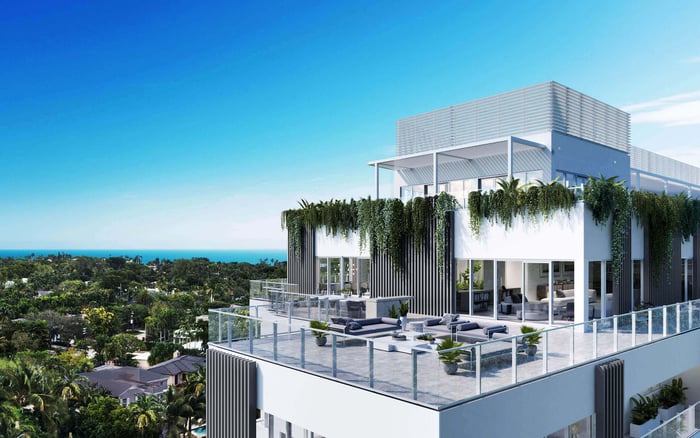
A buyer-focused look at Five Park Miami Beach and the growing importance of service culture, discretion, and residential privacy in South Florida luxury real estate.
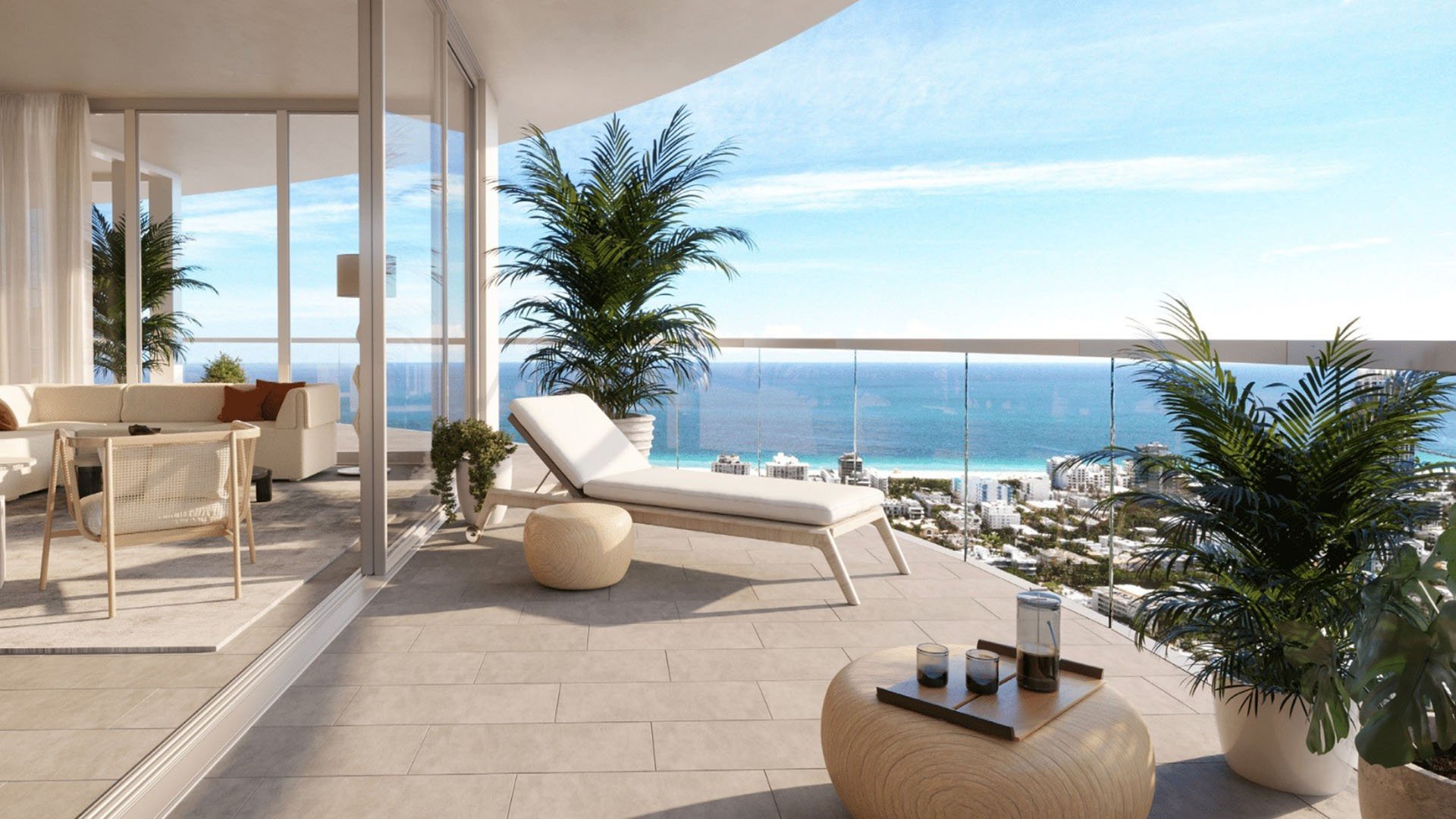
At the highest end of Miami Beach real estate, buyers are no longer asking only what a residence looks like. They are asking how it lives. The most sophisticated purchasers want to understand how a building receives guests, protects privacy, choreographs service, separates public energy from residential calm, and preserves the quiet dignity of daily life.
That is the lens through which Five Park Miami Beach becomes especially relevant. The project sits within a market where design, views, wellness, and amenities may open the conversation, but service culture and privacy often decide it. For a primary resident, second-home owner, or international family using Miami Beach seasonally, the true test is not whether a building impresses on a tour. It is whether it remains graceful after the novelty fades.
In the ultra-premium segment, branded service is not simply a logo or a hospitality vocabulary. It is an operating philosophy. Residential privacy is not isolation. It is controlled access, intuitive staff behavior, thoughtful circulation, and the freedom to live expansively without feeling observed. When those ideas work together, the building becomes less like a showcase and more like a private club for everyday life.
Luxury service in a private condominium must differ from hotel service. A hotel can perform. A residence must remember. The strongest buildings create a rhythm in which staff know preferences without intruding, anticipate needs without hovering, and coordinate requests without turning the home into a stage.
For buyers considering Five Park Miami Beach, the service question is practical: how does the building make life easier while keeping the resident in control? That may involve the cadence of arrivals, the discretion of valet and concierge interactions, the handling of guests, the management of deliveries, and the transition from the street to private space.
The best service models feel almost invisible. They reduce friction without creating dependency. They are polished enough for entertaining, yet calm enough for a quiet weekday morning. This distinction matters in Miami Beach, where owners often move between formal evenings, beach days, family visits, business travel, and extended periods away from the residence.
Privacy has become one of the rarest amenities in South Florida. It is not measured only by square footage, balcony depth, or elevator configuration. It is also measured by how a building manages density, visibility, sound, guest access, staff circulation, and shared spaces.
A buyer may love a lobby, pool deck, or wellness area during a scheduled showing, yet still wonder how those spaces feel on a full weekend. Will the experience feel residential or social? Will guests be guided smoothly? Will owners maintain a sense of separation between public presence and private life?
This is where the Five Park conversation becomes more nuanced. Branded service can enhance privacy when it creates order. It can weaken privacy when it becomes too theatrical. The right balance is subtle: residents should feel known, but not watched; assisted, but not managed; connected, but not exposed.
That balance is also why Miami Beach buyers often compare service cultures across several addresses before making a decision. A residence is not simply a floor plan. It is a daily protocol.
Branded residential living appeals to buyers who want confidence. The brand or service promise acts as shorthand for standards, staffing, upkeep, and hospitality expectations. But affluent buyers are increasingly selective. They understand that branding alone is not enough. Execution must match the promise.
For some purchasers, branded service is about ease. They want a residence that can support travel, entertaining, family logistics, and seasonal use without constant personal oversight. For others, it is about continuity. They are accustomed to a certain level of care in hotels, clubs, yachts, or private aviation, and they expect their residence to operate with similar composure.
Yet the most discerning buyers are careful not to confuse activity with quality. A building can offer many services and still feel impersonal. Another can offer a narrower set of experiences and feel deeply refined. The question is not how many touchpoints exist. It is whether each touchpoint protects the owner’s time, privacy, and sense of ease.
Five Park Miami Beach enters a landscape where buyers can choose from a wide range of luxury residential personalities. Some addresses emphasize oceanfront serenity, while others lean into historic cachet, resort-level service, boutique scale, or architectural identity. The comparison set is less about direct equivalence than lifestyle fit.
A buyer evaluating 57 Ocean Miami Beach may be thinking carefully about beachfront living and the daily rhythm of wellness, water, and sand. A buyer considering The Perigon Miami Beach may be focused on privacy, architecture, and the particular tone of a Miami Beach address. Those same buyers may view Five Park through a slightly different lens: how does the building combine urban access, service, and private residential pacing?
The comparison becomes even more layered when looking at Shore Club Private Collections Miami Beach, where the name itself signals a residential collection tied to a hospitality-inflected environment. Similarly, The Ritz-Carlton Residences® Miami Beach naturally draws buyers who prioritize service heritage and brand comfort. Against that backdrop, Five Park is part of a broader Miami Beach shift toward buildings that must deliver not only beauty, but a believable private-life operating system.
Not every buyer defines privacy the same way. A high-profile public figure may value controlled access above all else. A family may care more about secure guest management and calm amenity environments. A seasonal owner may focus on how the residence is maintained when vacant. An executive may want a building that supports a frictionless arrival from airport to elevator to home.
The South of Fifth buyer, in particular, often understands the premium attached to neighborhood feel, walkability, and discretion. For that buyer, the ideal residence offers proximity without overexposure. It allows access to restaurants, water, parks, and cultural life, while keeping the home itself insulated from the social current outside.
This is why privacy should be evaluated as a sequence rather than a feature. The experience begins before the resident reaches the front door. It includes vehicular approach, entry, lobby management, elevator access, amenity placement, staff training, and the emotional feel of shared spaces. A private residence should not require residents to edit themselves every time they move through the building.
A well-advised buyer should tour beyond the obvious. Finishes and views matter, but they are only part of the decision. The deeper diligence concerns how the building will live over time.
Ask how guests are received. Ask how deliveries are managed. Ask how staff are trained to balance attentiveness and discretion. Ask how amenity reservations, private events, and service requests are handled. Ask whether the building feels calm when several residents are using it at once. Ask how privacy is protected not only by architecture, but by operations.
For branded residences, also ask how the brand’s service standards translate into daily condominium life. A name can set expectations, but residents ultimately live with the building team, the rules, and the culture that develops after opening. The right building should feel elegant on day one and even more valuable after years of use.
In Miami Beach, enduring value often rests on more than physical scarcity. It depends on whether a building develops a reputation for being well run, discreet, beautifully maintained, and pleasant to inhabit. Buyers remember buildings where arrivals feel composed, staff interactions feel refined, and private life remains private.
Service and privacy also influence resale perception. Future buyers may not see every operational detail during a showing, but they will sense the difference between a building that feels controlled and one that feels improvised. In the luxury tier, atmosphere is part of the asset.
Five Park Miami Beach reflects a broader evolution in buyer expectations. The question is no longer whether a building can offer luxury cues. The question is whether it can sustain a private, polished, residential experience day after day.
What defines the buyer experience at Five Park Miami Beach? It is best understood through the balance of branded service, residential privacy, and daily life managed with discretion.
Why does branded service matter in a condominium? It can create consistency, ease, and confidence for owners, especially those who travel frequently or use the residence seasonally.
Is privacy only about limited access? No. Privacy also includes arrival flow, staff behavior, guest management, amenity design, sound, and the emotional feel of shared spaces.
How should buyers compare Five Park with other Miami Beach residences? Buyers should compare not only design and location, but also service culture, building rhythm, privacy standards, and long-term livability.
Does a branded residence always mean better service? Not automatically. The brand sets an expectation, but the building’s daily operations determine whether that promise is truly felt.
What should seasonal owners prioritize? Seasonal owners should focus on residence care, access control, delivery handling, staff communication, and ease of arrival after time away.
Why is privacy increasingly important in Miami Beach? As demand for luxury living grows, buyers place greater value on buildings that offer access to the city while preserving personal calm.
Can service feel too visible in a private residence? Yes. The most refined service is attentive but quiet, allowing residents to feel supported without feeling observed.
What is the most important tour question to ask? Ask how the building operates on a busy day, because that often reveals more about privacy and service than a quiet scheduled showing.
Who is the ideal buyer for this kind of residence? The ideal buyer values design and location, but places equal importance on discretion, operational quality, and a polished daily experience.
When you're ready to tour or underwrite the options, connect with MILLION.
If branded residences are on your mind — as a home or as an allocation — we would be glad to share what we are seeing, privately.
Begin a quiet conversation