A disciplined framework for separating lifestyle utility from economic return, modeling operating obligations, and preserving long-term resale options in Coconut Grove.
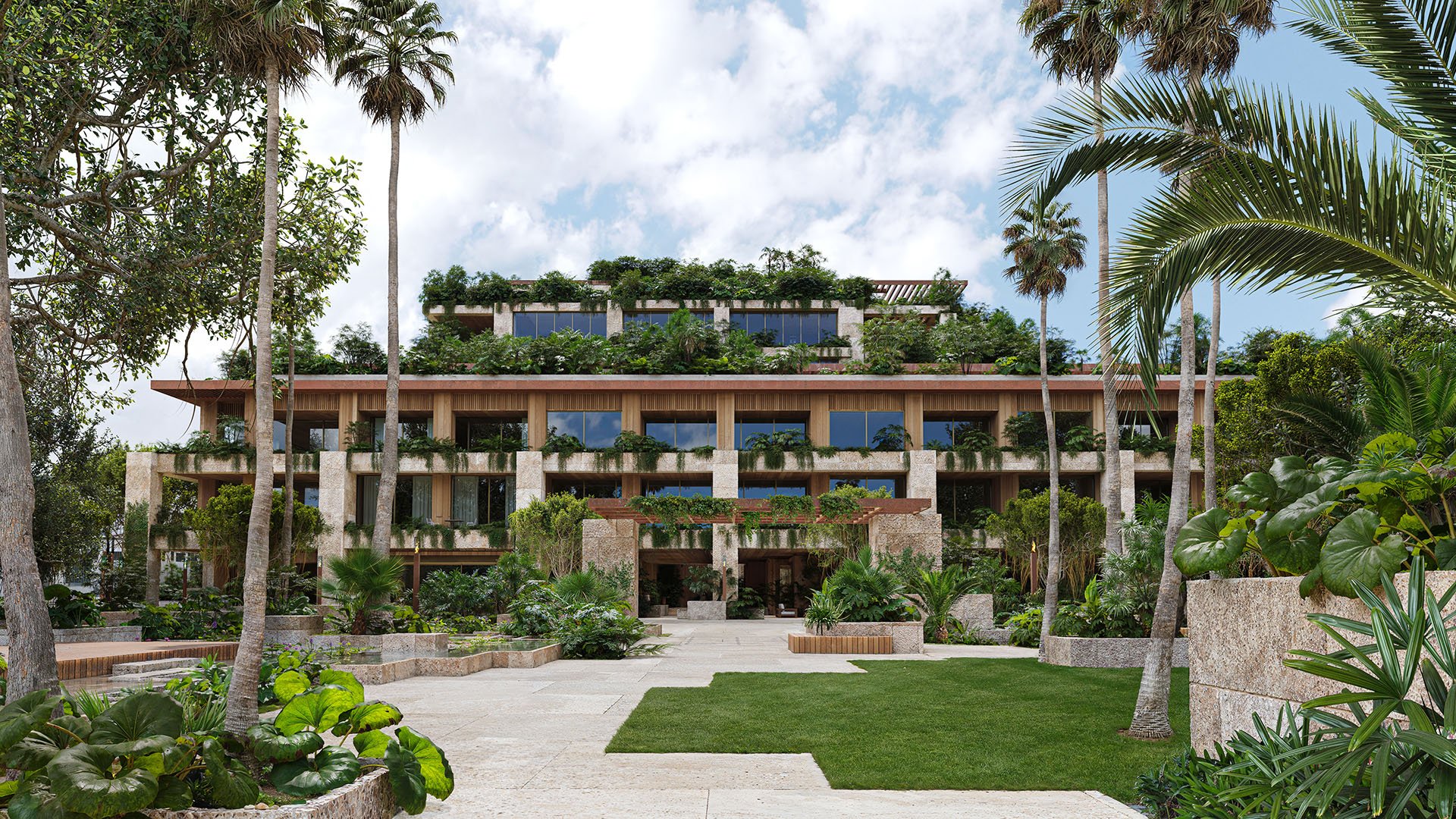
For a family office, Ziggurat Coconut Grove belongs in two ledgers at once. It is a private setting for daily life, entertaining, security, and family cohesion. It is also a long-duration real-estate allocation with recurring obligations, periodic capital demands, and an eventual liquidity event.
The central underwriting task is to keep those ledgers distinct. Privacy and hosting capacity may deliver exceptional utility without producing a measurable financial return. Conversely, appreciation can strengthen the economic case without determining whether the residence works for the family. A rigorous investment committee should score both dimensions, then decide whether the combined benefit warrants the capital commitment and operational complexity.
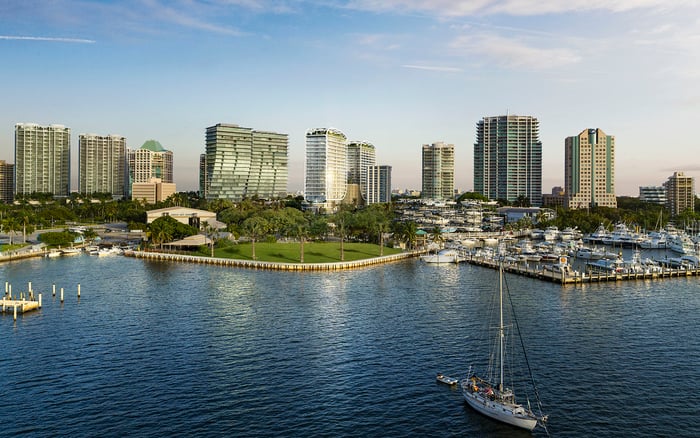
This distinction matters in Coconut Grove, where lot size, elevation, street conditions, access, and housing stock can make straightforward comparable-property analysis unreliable. Waterfront or upland positioning, along with gated or open-street access, may also influence privacy, risk, expenses, and future buyer appeal.
A credible ownership model should separate property taxes, insurance, household staffing, routine maintenance, and major replacement reserves. Combining these items into a single annual estimate can obscure which costs are structural, which are service-driven, and which may rise sharply after an inspection, renewal, or change in family use.
The base case should begin with acquisition cost and recurring expenses, then incorporate planned capital expenditures, potential appreciation, and exit liquidity. A downside case should test higher insurance and maintenance requirements, while a long-hold case should account for climate resilience, regulatory change, and the neighborhood’s trajectory.
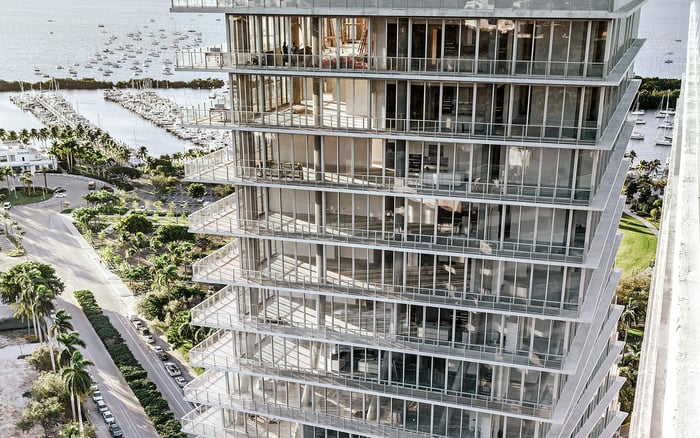
Any distinctive exterior system warrants its own reserve logic. If the final residence includes stepped terraces, extensive glazing, rooftop landscaping, pools, or water features, each element should carry dedicated assumptions for inspection, cleaning, waterproofing, drainage, storm preparation, repair access, and eventual replacement. These possibilities should be verified against final plans rather than treated as confirmed specifications.
For context, nearby ownership formats such as Four Seasons Residences Coconut Grove can help a family office assess how service intensity and operating responsibility differ across luxury residential models. The purpose is not direct price comparison, but clarity about which obligations remain with the owner and which may be delivered through a broader residential structure.
Staffing should reflect the property’s architecture, landscaping burden, security requirements, and expected service level. A residence used quietly by one household has a different labor profile from one supporting frequent guests, events, multigenerational stays, or continuous security coverage.
The operating plan should define roles before assigning headcount. House management, housekeeping, engineering oversight, landscape care, security coordination, and vendor supervision may overlap, but accountability for each function should remain clear. Coverage for weekends, holidays, absences, and storm preparation also belongs in the model.
Design and architectural decisions can either simplify or intensify this system. Specialized finishes, broad glazed surfaces, planted roofs, terraces, pools, and water features may elevate the experience while adding inspection cycles and vendor dependencies. The family office should therefore examine maintenance access as carefully as visual impact. A beautiful detail that is difficult to reach or repair can become an expensive operational vulnerability.
A family-office memorandum should assign explicit weight to privacy, security, hosting, brand distinction, and family cohesion. These are legitimate benefits, particularly for a second home or multigenerational base, but they should not be represented as yield.
The opportunity cost of committed equity should be measured against private equity, private credit, and institutional real estate. This does not mean a home must outperform a financial portfolio. It means the principal should understand the return forgone in exchange for control, enjoyment, identity, and permanence.
Alternative Grove residences can sharpen that discussion. The Well Coconut Grove may prompt questions about the value assigned to a particular residential proposition, while Park Grove Coconut Grove offers another reference point for comparing private-home complexity with a different ownership environment. Each should be evaluated on its own merits rather than treated as a substitute comparable.
A multigenerational thesis must look beyond the current principal’s preferences. Room functions, circulation, privacy zones, service areas, and accessibility should remain useful as family composition changes. Adaptability can support both continuity and resale by reducing the likelihood that a future occupant must reverse highly personal choices.
Signature architecture may strengthen differentiation, yet customized materials and layouts can narrow the buyer pool. The optimal balance is distinction without dependence on one owner’s habits. Disciplined ownership structuring, transferable service relationships, clear approvals, and complete maintenance records can further reduce friction when the property is refinanced, transferred, or sold.
Exit analysis should also account for the Grove’s uneven comparability. The most relevant future buyer may value privacy, design, and hosting capacity, but will still scrutinize resilience and operating demands. Property-specific engineering, insurance, tax, title, zoning, and staffing reviews should therefore precede reliance on quantitative projections. The investment case ultimately turns on whether Ziggurat’s lifestyle advantages justify its incremental complexity-and whether that complexity remains legible to the next steward.
Should a family office treat Ziggurat Coconut Grove as an investment? It should be treated as both a lifestyle asset and a long-duration allocation, with utility and financial performance assessed separately.
Which carrying costs deserve separate line items? Property taxes, insurance, staffing, routine maintenance, and major replacement reserves should be tracked independently.
How should staffing needs be estimated? Begin with architectural complexity, landscaping, service expectations, security needs, guest patterns, and required coverage.
Why does micro-location matter in Coconut Grove? Waterfront or upland positioning, along with gated or open-street access, can affect privacy, risk, expenses, and exit appeal.
How should complex exterior features be evaluated? Examine storm resilience, waterproofing, drainage, maintenance frequency, repair access, and replacement requirements.
Can signature design improve value? Distinctive architecture may enhance market differentiation, although highly customized layouts and materials can narrow the buyer pool.
What supports a multigenerational holding thesis? Adaptable spaces, durable systems, accessible circulation, and planning for future family members support longer ownership.
How should opportunity cost be considered? Compare committed capital with plausible allocations to private equity, private credit, and institutional real estate.
What strengthens future exit flexibility? Adaptable design, disciplined ownership structuring, complete maintenance records, and broadly appealing positioning can reduce friction.
Which diligence should precede a final decision? Obtain property-specific engineering, insurance, tax, title, zoning, and staffing assessments before relying on projections.
For a tailored shortlist and next-step guidance, connect with MILLION.
If branded residences are on your mind — as a home or as an allocation — we would be glad to share what we are seeing, privately.
Begin a quiet conversation