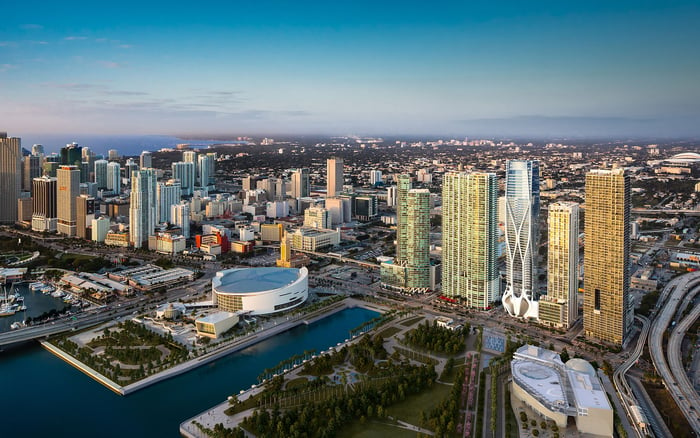
At One Thousand Museum, a cash purchase can simplify closing while leaving future financing questions unresolved. Buyers should consider portfolio lending, appraisal timing, liquidity, documentation, and potential refinancing before committing capital.
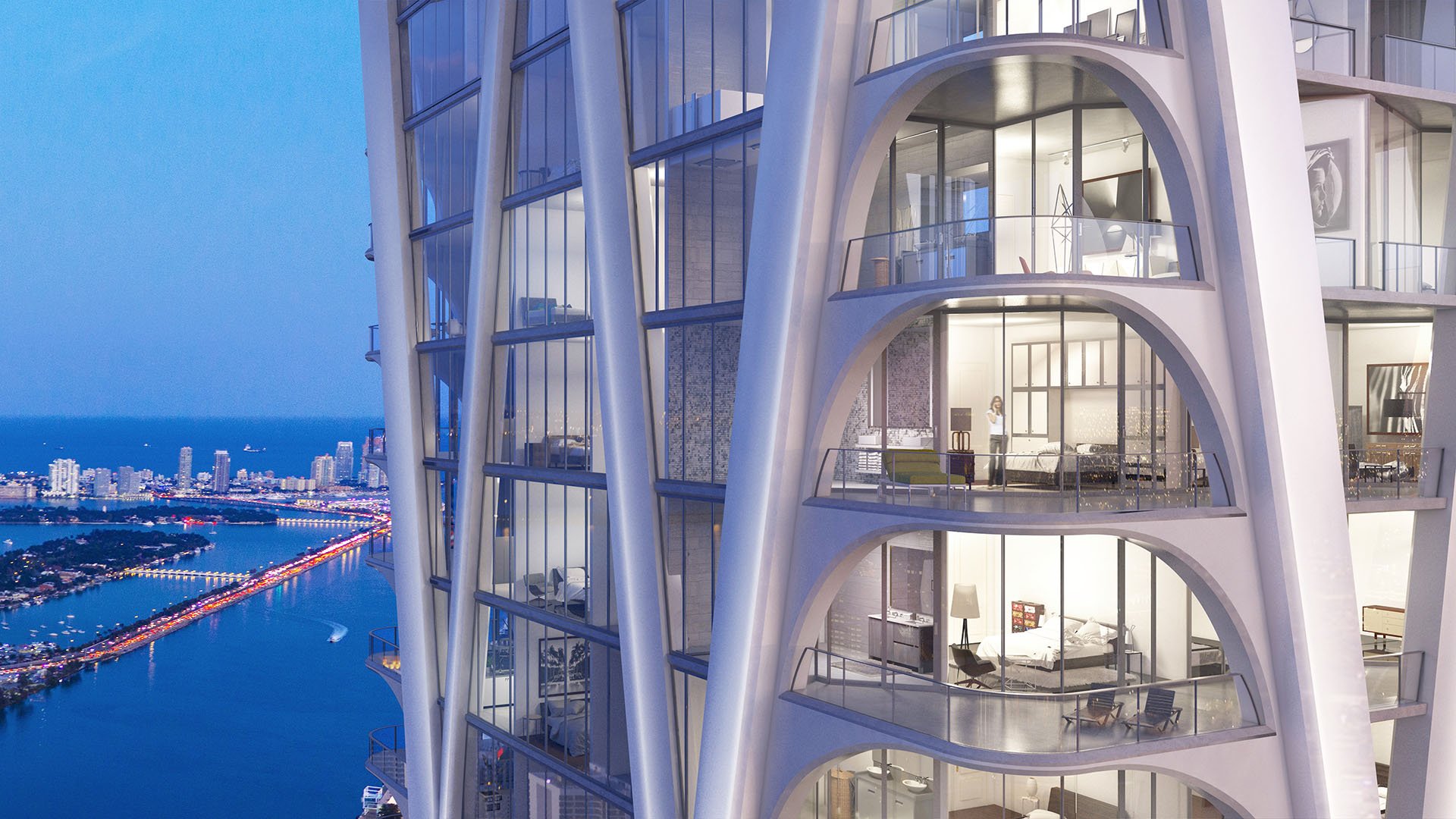
A cash offer at One Thousand Museum Downtown Miami may simplify the immediate transaction, but buyers should also consider whether they may want leverage after closing. A future refinance, liquidity strategy, or additional acquisition can make advance financing preparation relevant even when no mortgage is needed for the purchase.
The central question is not only whether a buyer can close without debt. It is also whether the buyer’s documentation, preferred loan structure, liquidity position, and timing support the flexibility they may want later.
Portfolio lending can be useful when a buyer wants underwriting tailored to a complex financial profile, a luxury residence, or a substantial requested loan amount. Terms and review standards vary by lender, so buyers should not assume that one institution’s approach will match another’s.
A lender may review the borrower and condominium separately. Buyers can ask how the lender would assess the specific residence, the requested leverage, available documentation, reserves, insurance, association information, and any waiting period that could apply after a cash purchase.
Considering a portfolio loan does not establish any particular financing status for One Thousand Museum. Project eligibility and loan terms should be verified directly with prospective lenders before a buyer relies on them.
A later refinance may require a new appraisal rather than relying on the original contract price. The available comparable sales and the similarity of those residences to the subject property can affect that review.
Buyers who expect to seek financing later can discuss appraisal methodology with lenders before making an offer. A conservative capital plan can also account for the possibility that the eventual appraised value or available leverage differs from the buyer’s initial expectations.
Cash buyers can retain bank statements, wire confirmations, and records showing the source and transfer of acquisition funds. Organized documentation may make a later lender review more efficient.
It is also prudent to ask prospective lenders about post-closing liquidity expectations, reserve calculations, borrower documentation, and the timing of any refinance application. These requirements are lender-specific and should be confirmed rather than assumed.
Buyers evaluating One Thousand Museum may also compare Aston Martin Residences Downtown Miami, Waldorf Astoria Residences Downtown Miami, and Casa Bella by B&B Italia Downtown Miami. A capital comparison can consider lender appetite, documentation expectations, anticipated holding period, and the buyer’s preferred balance between equity and liquidity.
The objective is not necessarily to borrow at closing. It is to understand the available paths before the purchase so that a cash decision does not unintentionally limit later options.
Why should a cash buyer consider financing before making an offer? Advance planning can identify documentation, appraisal, liquidity, and timing questions before capital is committed.
What is portfolio lending? It is a lending approach that may allow an institution to apply its own underwriting framework rather than relying solely on standardized criteria.
Does discussing portfolio lending mean One Thousand Museum has a financing issue? No. Buyers should ask each prospective lender to review the condominium and proposed loan directly.
Will a future lender automatically use the cash purchase price as the property value? Buyers should not assume so. A later financing request may involve a separate appraisal and lender review.
Why does refinance timing matter? The information and comparable transactions available to an appraiser can differ depending on when the financing request is made.
What documents should a cash buyer preserve? Bank statements, wire confirmations, and records tracing the source and transfer of acquisition funds may be useful.
Should buyers contact more than one lender? Comparing lenders can help buyers understand differences in underwriting, documentation, liquidity expectations, and execution timelines.
Can a lender require reserves after closing? A lender may apply liquidity or reserve requirements, but the amount and calculation method must be confirmed with that institution.
What should buyers ask about the condominium review? They can ask about project eligibility, association materials, insurance review, and any other documents the lender requires.
What should a Downtown Miami buyer compare across residences? In addition to the residence itself, the buyer can compare financing pathways, documentation expectations, holding plans, and desired liquidity.
To compare the best-fit options with clarity, connect with MILLION.
If branded residences are on your mind — as a home or as an allocation — we would be glad to share what we are seeing, privately.
Begin a quiet conversation