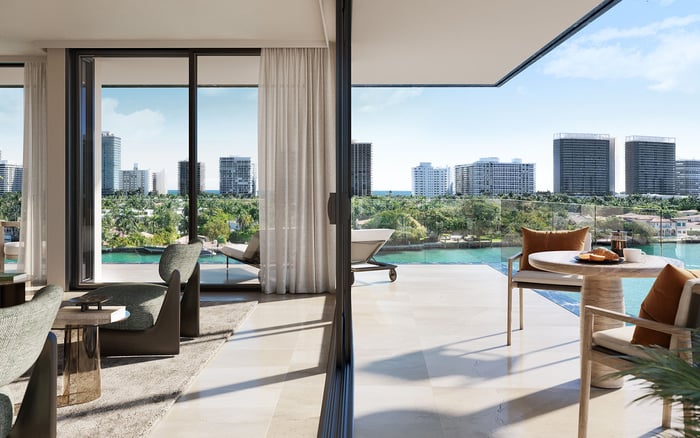
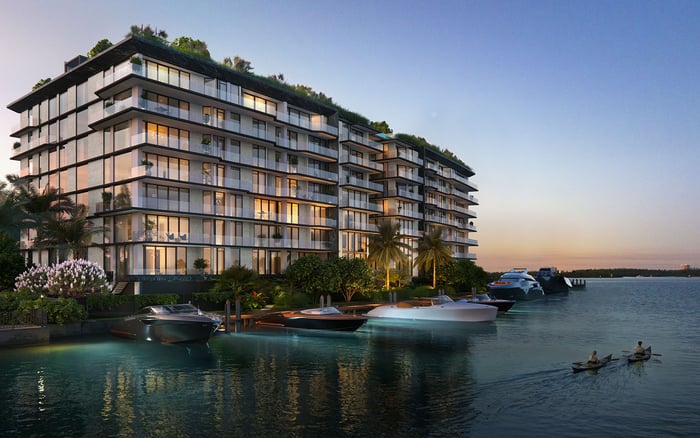
In Bay Harbor Islands, the building is only the first layer of value. Resale depth, exact line, view quality, terrace usability, privacy, and marina rights can materially alter both daily enjoyment and the eventual exit.
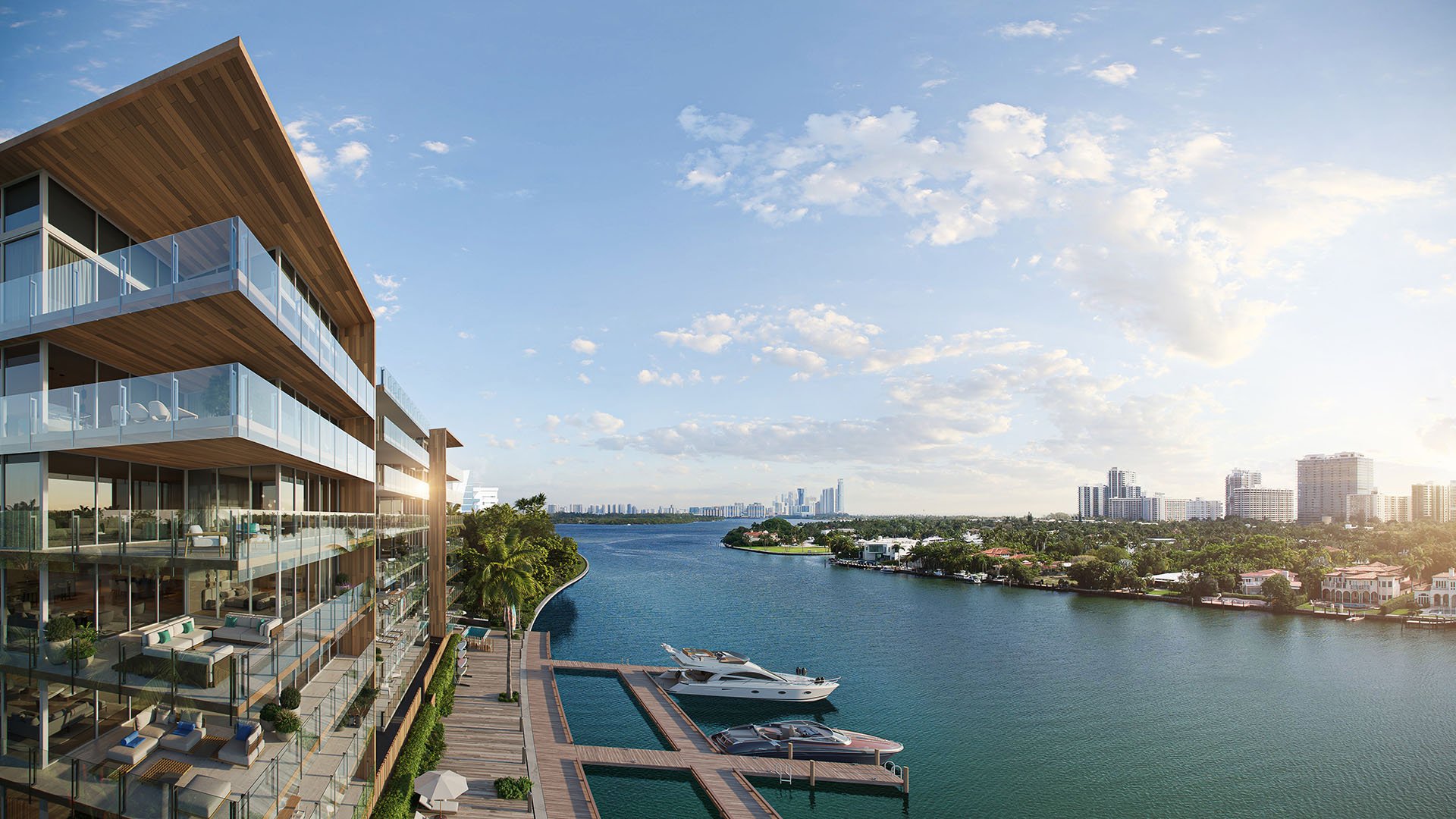
Bay Harbor Islands rewards precise comparison. Two residences in the same building may share common areas yet present different ownership propositions. Elevation, orientation, terrace configuration, privacy, and view geometry can shape daily enjoyment and influence how many credible substitutes exist when a home returns to market.
For a buyer considering resale, the appropriate unit of analysis may be narrower than the island or building. Examining the exact line can reveal distinctions that a broad market average cannot capture.
Area-level figures can provide context, but they may combine homes with different ages, conditions, layouts, exposures, and waterfront relationships. Applying a broad median mechanically to a specific residence can therefore produce an incomplete valuation.
A disciplined comparison begins with the closest available closed sales. The analysis can then expand carefully to adjacent lines, similar buildings, and the wider Bay Harbor Islands market while accounting for meaningful differences.
Resale depth reflects the number and quality of close substitutes likely to compete with a residence. When several similar homes have traded, buyers may find a visible pricing range. When relevant sales are scarce, pricing can be less transparent and require more judgment.
Project-level review can help buyers organize the boutique market. Existing internal references include La Maré Bay Harbor Islands, La Baia North Bay Harbor Islands, and Bay Harbor Towers. Each potential purchase should still be evaluated through current documents, unit-specific characteristics, and relevant closed sales rather than assumptions based on a project name alone.
A floor plan should be read as a map of exposure rather than only as a room schedule. Buyers can compare stack orientation, neighboring structures, terrace configuration, window placement, and whether water is visible directly or at an angle.
The strongest available evidence generally begins with recent closed sales from the same line. If those are unavailable or too limited, buyers can widen the comparison while making explicit adjustments for differences in elevation, condition, privacy, layout, and outlook.
No single characteristic should be treated as automatically superior. A higher floor may offer a different outlook, while another residence may provide better shade, privacy, terrace usability, or interior flow. The relevant question is how closely another home can reproduce the same living experience.
Waterfront positioning and the lived quality of a view are not necessarily identical. A residence may face open water directly, capture it at an angle, or encounter partial obstruction from nearby structures and landscaping.
Buyers should assess the outlook from seated and standing positions, from principal rooms, and from the terrace. Visits at different times can help reveal changing light, glare, noise, activity, and privacy conditions. The review should focus on what is observable from the specific residence rather than relying only on marketing descriptions.
If marina access is part of the ownership rationale, confirm the precise rights conveyed with the residence. Determine from current governing and title documents whether any slip or access right is included, separately conveyed, subject to availability, or not part of the transaction. An unverified assumption should not be included in the offer analysis.
A careful acquisition file records the reasons for any proposed premium. Useful materials can include the floor plate, line-specific closing history, dated view photographs, terrace measurements, inspection findings, and documentation concerning marina rights.
Buyers should also review current condominium, title, and transaction documents with appropriate professional advisers. Marketing language can introduce a property, but it is not a substitute for verifying the rights, restrictions, condition, and characteristics that matter to the purchase.
Before making an offer, test the future resale narrative. Identify the closest same-building substitutes, the broader boutique set, and the features that are difficult to reproduce. Scarcity is most defensible when it is observable, documented, and relevant to an end user.
Why can an island-wide median be insufficient for a luxury purchase? A broad median may combine homes with substantially different layouts, conditions, exposures, and waterfront relationships. Unit-specific and line-specific evidence can provide a more precise comparison.
What is a same-line comparable? It is a closed sale from the same vertical stack or line, typically offering a similar layout, orientation, and view corridor.
How can thin resale depth affect a buyer? Limited comparable sales can make pricing less transparent. Buyers may need to widen the comparison carefully and document each adjustment.
Is the highest floor always the best choice? No. Elevation is only one factor alongside orientation, privacy, layout, terrace usability, and the actual outlook.
What should buyers inspect during a view audit? Review direct versus angled water exposure, potential obstructions, glare, light, noise, activity, and privacy from principal rooms and outdoor areas.
Why does terrace configuration matter? The dimensions, exposure, access, shade, wind conditions, and privacy of a terrace can affect how comfortably it functions.
How should buyers compare different Bay Harbor Islands projects? Start with unit-specific characteristics and relevant closed sales, then examine building documents and current transaction materials. Avoid assuming that a project name alone establishes equivalence.
What should be verified about a marina slip or access right? Confirm through current governing and title documents whether it is included, separately conveyed, subject to availability, or unavailable.
Can a scarce view support a premium? Potentially, when the outlook is observable, difficult to reproduce, and supported by relevant market evidence. The premium should not rest on marketing language alone.
What belongs in a pre-offer comparison? Include the floor plate, line, elevation, layout, condition, terrace, view quality, privacy, relevant closed sales, and any documented marina rights.
To compare the best-fit options with clarity, connect with MILLION.
If branded residences are on your mind — as a home or as an allocation — we would be glad to share what we are seeing, privately.
Begin a quiet conversation