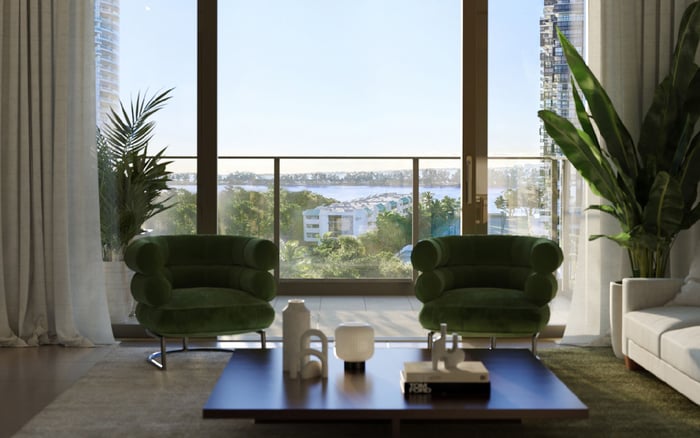
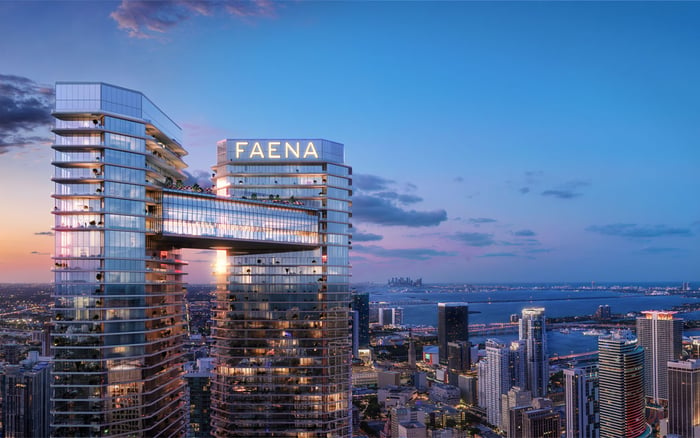
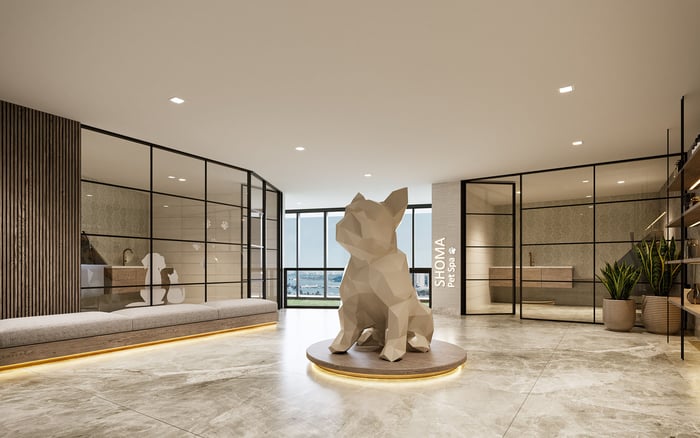
For buyers using FIFA World Cup 2026 as a lens for South Florida ownership, the best base is not simply the closest address to the action. It is the address that balances privacy, mobility, hospitality, waterfront calm and daily access to the region’s cultural life.
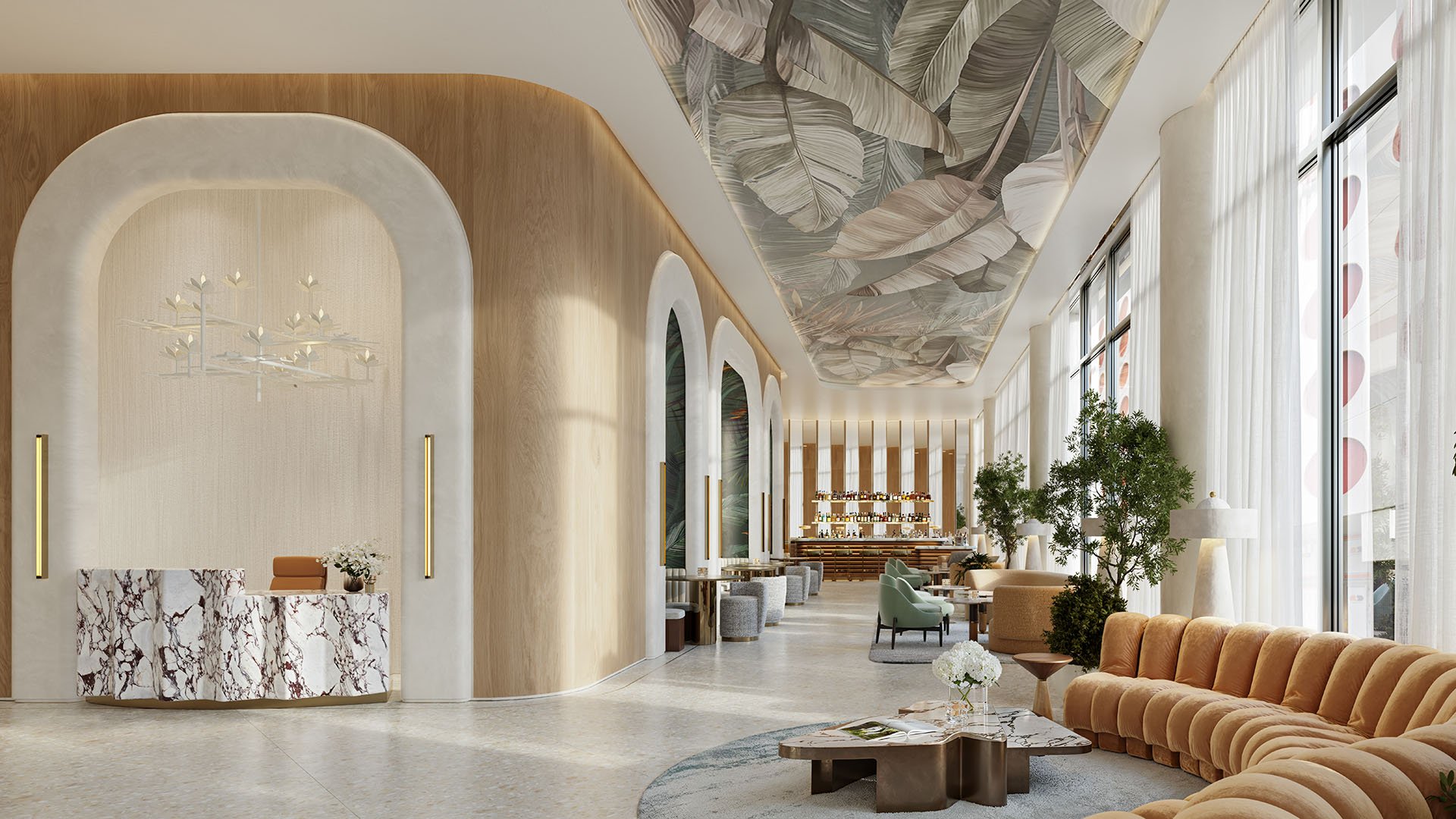
FIFA World Cup 2026 will bring a global lens to South Florida, but for luxury buyers, the sharper question is not simply where to stay for a match. It is where to live well before, during and after the tournament. Cultural access is broader than stadium proximity. It includes dining, private clubs, arts programming, waterfront rituals, airport convenience, security, marina access, beach life and the ability to retreat from the crowd without feeling removed from the city.
That distinction matters. A residence chosen only for event-day convenience may feel compromised once the calendar returns to normal. A residence chosen for lifestyle depth can absorb a major international moment while continuing to serve as a second home, primary base or long-horizon investment. In South Florida, the most compelling addresses are not interchangeable. Brickell, Miami Beach, Coconut Grove, Fort Lauderdale and Sunny Isles each offer a different rhythm for buyers who want culture without sacrificing privacy.
For internationally minded buyers, a South Florida base should be evaluated by the radius of places one actually uses. A five-star dinner, a collector event, a private screening, a family beach morning and a late arrival from the airport may each point to a different neighborhood. The strongest address is usually the one that reduces friction across the greatest number of these moments.
Brickell suits the buyer who wants an urban base with dining, offices, lounges and waterfront towers close at hand. It is the most vertical expression of Miami living, rewarding those who prefer to move between appointments, restaurants and residences with minimal ceremony. Projects such as The Residences at 1428 Brickell speak to buyers who want the energy of the financial district with a residential layer that still feels private and architectural.
The key is deciding whether you want to be in the current of the city or adjacent to it. During a global sports event, that difference becomes more visible. Some buyers will find the energy restorative. Others will want a quieter threshold the moment they return home.
Miami Beach offers a different kind of access: ocean, design heritage, resort dining, wellness, private beach routines and the ability to host guests in an environment that feels immediately recognizable to international visitors. For many buyers, that is precisely the point. The address itself becomes part of the experience.
Still, buyers should be careful not to treat every beach location as interchangeable. South Beach, Mid-Beach, Surfside, Bal Harbour and the northern oceanfront each carry distinct personalities. Some are more social, some more residential, some more hotel-driven and some more discreet. A residence such as The Ritz-Carlton Residences® South Beach may appeal to buyers who want a refined beach setting with immediate access to the area’s restaurant and hospitality culture.
For World Cup-oriented ownership, the beach question is not only whether you can reach the event. It is whether guests will enjoy the days around it. Morning swims, long lunches, spa appointments and sunset entertaining may matter as much as match-day logistics.
Major international events can heighten the value of controlled arrivals, secure parking, staff coordination and the ability to entertain without depending entirely on public venues. Buyers should consider how a property lives when demand rises across restaurants, hotels, car services and private aviation schedules.
This is where building operations matter as much as floor plans. A beautiful residence can disappoint if arrivals feel exposed or service protocols are thin. Conversely, a discreet building with strong management can become a calm base even when the surrounding city is animated. The best purchase is often not the loudest address, but the one that lets the owner choose when to participate.
In Coconut Grove, the appeal lies in a more shaded, residential expression of Miami. It is close to the city yet emotionally removed from its harder edges. For families, sailors, collectors and buyers who value a village feeling, Four Seasons Residences Coconut Grove offers a useful example of how hospitality branding and neighborhood softness can coexist.
A South Florida base should be mapped as a corridor of use. Where will you dine three nights in a row? Where will guests stay if your residence is full? Which airport will you use most often? Will you need access north to Palm Beach, south to Miami Beach or west to private schools and golf? These questions reveal more than a simple drive-time calculation.
Fort Lauderdale deserves particular attention from buyers who want yachting culture, waterfront homes, a slightly less compressed urban experience and convenient access to Broward’s coastal lifestyle. It can function as a sophisticated base for owners who want South Florida without living at the center of Miami’s intensity. St. Regis® Residences Bahia Mar Fort Lauderdale reflects the appeal of a marina-oriented setting for buyers who place water, boats and hospitality at the center of their ownership experience.
The same corridor thinking applies north and south. A buyer who spends meaningful time in Palm Beach may prefer a northern base. A buyer whose calendar revolves around Miami dining and arts may want to remain closer to the urban core. The right answer is personal, but the framework should be disciplined.
World Cup 2026 will be a guest-heavy moment for many owners. Friends, family, clients and international partners may all want to visit. That makes the guest experience part of the purchase strategy. Residences with generous secondary bedrooms, clear service paths, strong amenity suites and intuitive access to restaurants or beach clubs may outperform larger but less functional homes.
Buyers should also consider the difference between hosting and housing. Hosting requires spaces that feel ceremonial: terraces, views, dining areas and arrival sequences. Housing requires privacy, storage, quiet bedrooms and the ability for guests to come and go without disrupting the household. The best properties do both.
Sunny Isles and the northern oceanfront may appeal to buyers who want height, views and a more resort-residential profile. The Ritz-Carlton Residences® Sunny Isles is an example of a setting where beach, skyline and branded service can support extended family stays as well as shorter cultural visits.
The most elegant real estate decisions are rarely tied to a single event. FIFA World Cup 2026 may accelerate attention, but it should not become the entire investment thesis. Buyers should ask whether they would still choose the address in a quiet September, during the winter social season, for a spring school break or for a summer work-from-anywhere month.
That means prioritizing fundamentals: light, views, privacy, building quality, neighborhood depth, access to daily rituals and long-term desirability. A culturally rich base should feel alive even when there is no headline event on the calendar. The most resilient properties are those that serve ordinary days with the same grace as extraordinary ones.
For some buyers, that means Brickell’s immediacy. For others, Miami Beach’s oceanfront identity, Coconut Grove’s residential calm, Fort Lauderdale’s nautical sophistication or Sunny Isles’ high-rise resort character. The right base is not the one closest to every event. It is the one that turns South Florida into a repeatable way of life.
Should buyers choose the closest residence to match activity? Not necessarily. Cultural access often depends more on lifestyle radius, privacy and daily convenience than direct proximity.
Is Brickell a strong base for World Cup 2026 visitors? Brickell can suit buyers who want dining, nightlife, offices and urban energy close to home.
Does Miami Beach make sense for culturally driven buyers? Yes. Miami Beach offers oceanfront living, hospitality, wellness and a social rhythm that many international guests understand immediately.
Why consider Coconut Grove instead of a more central address? Coconut Grove may appeal to buyers who want greenery, neighborhood calm and access to Miami without constant intensity.
Can Fort Lauderdale work as a luxury event base? Yes. Fort Lauderdale can be compelling for buyers who prioritize yachting, waterfront living and a slightly quieter coastal setting.
Is Sunny Isles better for families or guests? Sunny Isles can work well for buyers who want beach access, expansive views and a resort-residential atmosphere for extended stays.
What should buyers evaluate inside a building? Arrival privacy, parking, security, staff coordination, elevators, amenity quality and guest circulation all matter.
Should a purchase be based only on FIFA World Cup 2026? No. The tournament can sharpen timing, but the residence should make sense for years of ordinary and seasonal use.
How important are terraces and views? They can be highly important for entertaining and daily enjoyment, especially when hosting international guests around major events.
What is the best way to shortlist comparable options for touring? Start with location fit, delivery status, and daily lifestyle priorities, then compare stacks and elevations to validate views and privacy.
For a discreet conversation and a curated building-by-building shortlist, connect with MILLION.
If branded residences are on your mind — as a home or as an allocation — we would be glad to share what we are seeing, privately.
Begin a quiet conversation