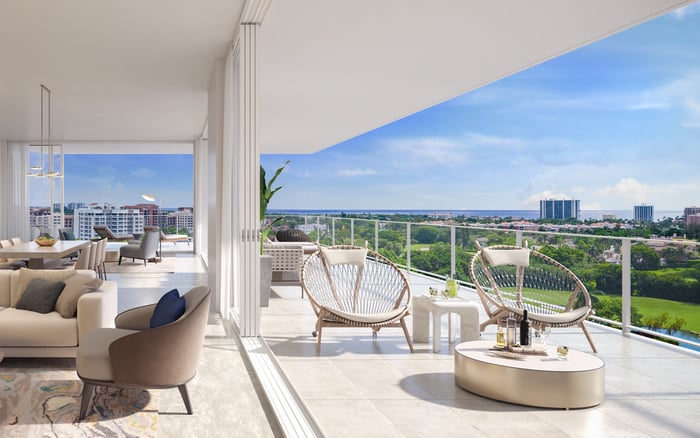
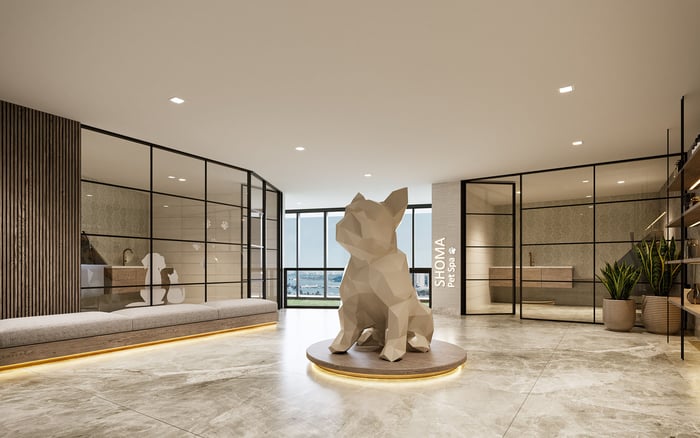
Boca Raton offers a compelling framework for New Jersey buyers who value discreet service, controlled access, and residences designed to simplify seasonal or full-time ownership.
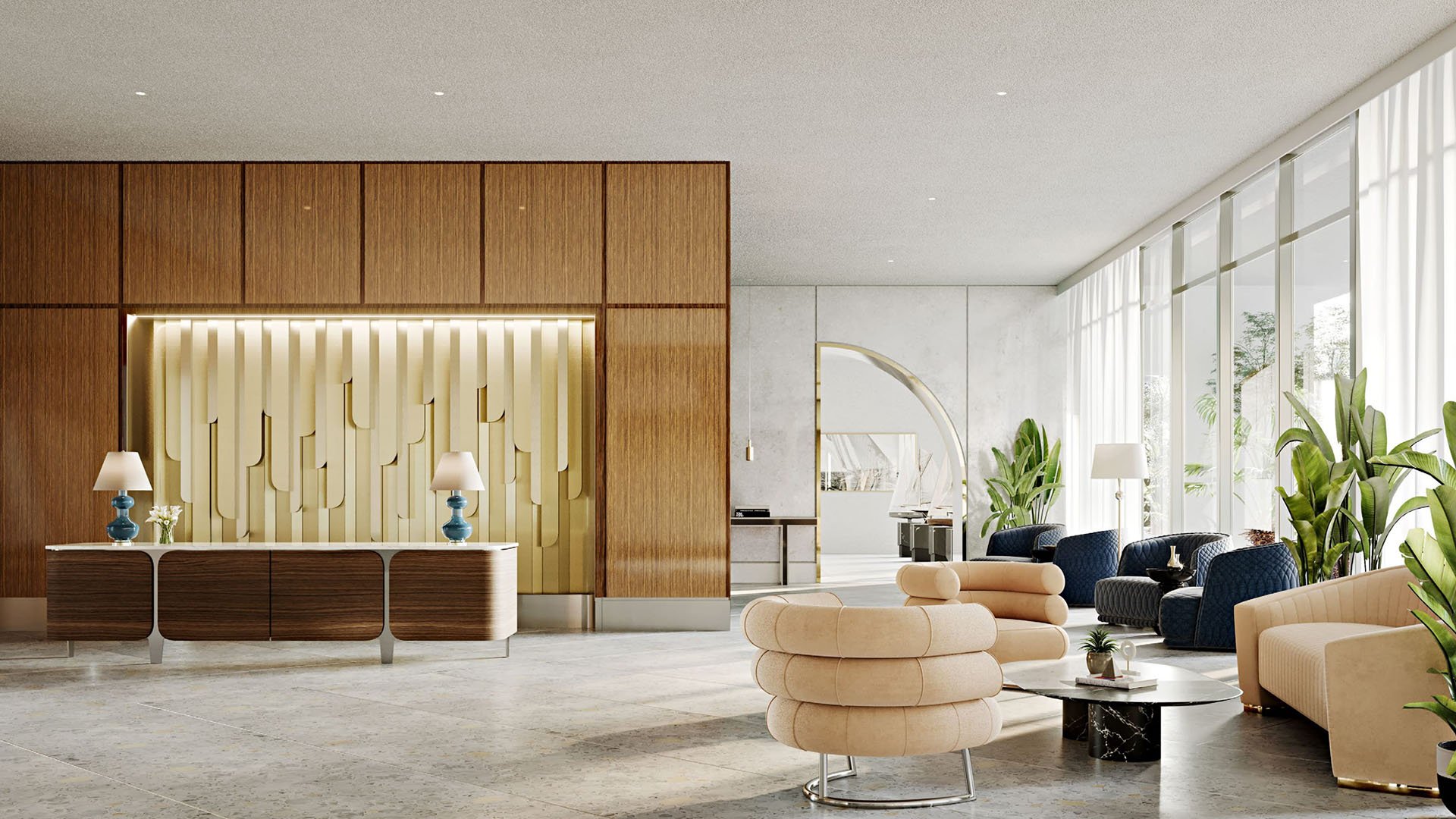
For a New Jersey buyer, Boca Raton’s appeal extends beyond a change in climate or scenery. At the upper end of the market, the more meaningful proposition is operational: a home that is ready when its owner arrives, protected when the owner leaves, and supported without requiring constant direction.
No-frictions ownership is personal. One buyer may prioritize a staffed arrival and responsive residence management. Another may value private access, straightforward guest protocols, secure package handling, or the confidence to leave for extended periods. The best purchase is not necessarily the property with the longest amenity menu. It is the one whose service model fits the owner’s actual calendar.
In Boca Raton, buyers can consider both established luxury residences and new-construction opportunities. The distinction matters: finishes can be changed, but staffing philosophy, circulation, governance, and the relationship between private and shared spaces are far more difficult to reshape.
Sophisticated service is most valuable when it removes small points of resistance. It can begin before arrival, continue through everyday requests, and remain effective after departure. Buyers should examine who receives guests, how deliveries are managed, whom residents contact when a problem arises, and whether responsibilities are clearly divided between building personnel and outside vendors.
Residences such as The Residences at Mandarin Oriental Boca Raton naturally warrant consideration from buyers exploring branded residences and the expectations associated with a hospitality-oriented identity. The brand name, however, should begin the due-diligence conversation rather than conclude it. Owners should understand which services are included, which are arranged separately, and how the experience is governed over time.
Mr. C Residences Boca Raton offers another point of reference for buyers comparing service-led residential concepts. The useful question is not which presentation feels most elaborate, but which operating structure will remain relevant on an ordinary Tuesday, during a late arrival, or while the residence is vacant.
Privacy in a luxury residence is not limited to a gate or front desk. It emerges through a sequence that may include vehicle arrival, lobby access, elevator movement, residential corridors, terrace exposure, and the separation of service activity from personal routines.
A buyer should experience that sequence in person. Walk from the arrival point to the residence. Consider whether guests can be received gracefully, shared spaces feel calm, and staff presence remains attentive without becoming intrusive. Residence orientation also deserves scrutiny, particularly where neighboring terraces, glazing, or shared approach routes affect the sense of retreat.
For buyers evaluating a more contemporary condominium setting, Alina Residences Boca Raton can be included in a comparison of how newer residential environments organize private life around common services. The essential judgment remains experiential: does the property create discretion through planning, or merely promise it through language?
A second home should not become a second operating company. Before purchasing, buyers should map what happens at four moments: arrival, occupancy, departure, and absence. Each stage reveals whether ownership will be genuinely simple.
On arrival, consider access credentials, luggage, vehicles, groceries, and the condition of the residence. During occupancy, examine maintenance response, reservations, visitors, pets, housekeeping coordination, and vendor access. At departure, determine how the home is secured and monitored. During an absence, establish who can enter, how an issue is escalated, and how the owner receives updates.
This is where building documents and management conversations become practical rather than procedural. Rules concerning renovations, deliveries, leasing, guests, insurance, pets, and contractors can materially shape the lifestyle promised by the architecture. A polished residence with cumbersome protocols may prove less effortless than a quieter property with precise management.
Boca Raton buyers do not all seek the same expression of luxury. Some prefer proximity to a polished urban routine; others place greater emphasis on water, views, and a more secluded residential mood. Waterfront positioning may be emotionally compelling, but it should be assessed alongside exposure, maintenance obligations, insurance considerations, and the owner’s intended frequency of use.
Glass House Boca Raton may enter the conversation for buyers considering a modern residential proposition connected to the city’s coastal identity. As with any project, an intelligent comparison looks beyond renderings and surface materials. Buyers should study residence layouts, storage, parking, arrival privacy, management structure, anticipated costs, and the practical experience of leaving the home unattended.
The objective is not to choose between service and privacy. At the highest level, the two should reinforce each other. Good service protects time. Good planning protects personal space. Together, they allow a residence to feel composed without requiring its owner to manage the composition constantly.
Buyers dividing their time between New Jersey and South Florida can begin with a written ownership brief. It should identify expected months of use, typical arrival times, guest patterns, vehicle needs, pet routines, preferred levels of staff interaction, and tolerance for shared amenities. This turns an abstract search into a disciplined comparison.
Next, separate essential services from attractive extras. A private dining room may be appealing, but reliable access control or responsive maintenance may influence daily life more often. Likewise, an expansive amenity deck is not automatically superior to a smaller collection of spaces that remain serene and easy to use.
Finally, test every candidate against a realistic absence. Ask who notices a leak, accepts a critical delivery, admits an approved vendor, or prepares the residence before an unplanned trip. No-frictions ownership is not the absence of complexity. It is complexity handled by a system the owner understands and trusts.
Why does Boca Raton appeal to New Jersey luxury buyers? It can pair a refined residential setting with the service, privacy, and operational ease sought by buyers managing life across two states.
What does no-frictions ownership mean? It means arrivals, daily requests, departures, and periods of absence are supported by clear systems and accountable people.
Are branded residences automatically easier to own? Not automatically. Buyers should verify the precise services, fees, staffing structure, and responsibilities attached to the residence.
How should buyers evaluate privacy? Walk the complete arrival route and review access, elevator circulation, guest handling, terrace exposure, and staff interaction.
What matters most for a lock-and-leave home? Reliable monitoring, controlled vendor access, clear escalation procedures, and responsive residence management are central considerations.
Should amenities drive the purchase? Amenities should support the owner’s routine rather than distract from layout, privacy, management quality, and long-term carrying obligations.
What should be reviewed before signing a contract? Buyers and their advisers should review governing documents, budgets, fees, insurance requirements, use restrictions, and closing terms.
Is new construction preferable to resale? Neither is inherently superior. The better choice depends on timing, condition, operating history, customization priorities, and risk tolerance.
How can buyers compare service models? Request specific examples of included services, paid services, response protocols, staffing coverage, and management accountability.
What is the best first step? Define how the home will be used, then tour properties through the lens of service, privacy, and ease during extended absences.
If you'd like a private walkthrough and a curated shortlist, connect with MILLION.
If branded residences are on your mind — as a home or as an allocation — we would be glad to share what we are seeing, privately.
Begin a quiet conversation