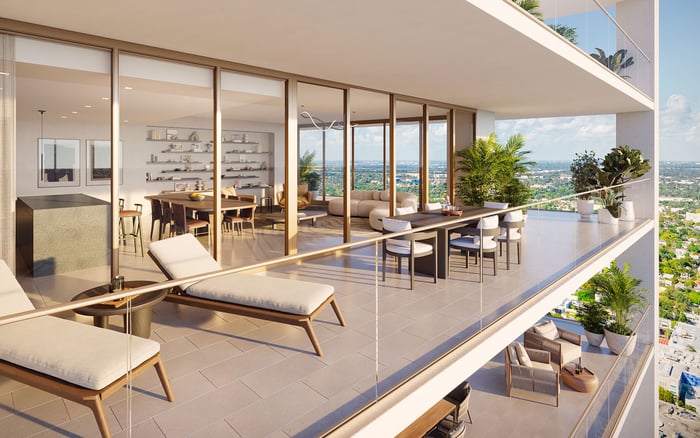
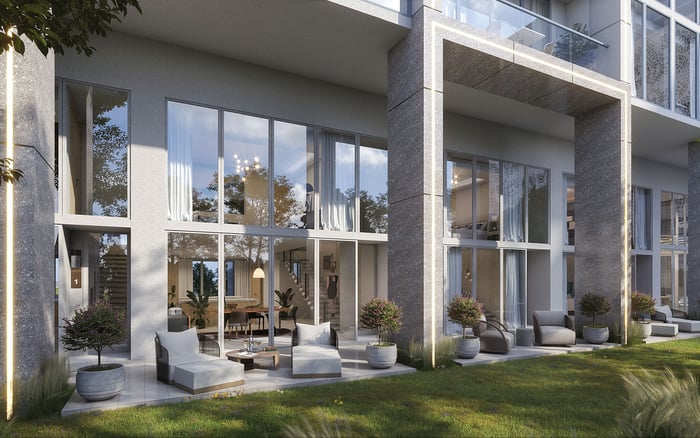
A discreet buyer’s guide to evaluating family room natural ventilation at 321 Ocean Drive and 1 Waterplace Fort Lauderdale, with emphasis on comfort, airflow, humidity, and the lived quality of South Florida luxury residences.
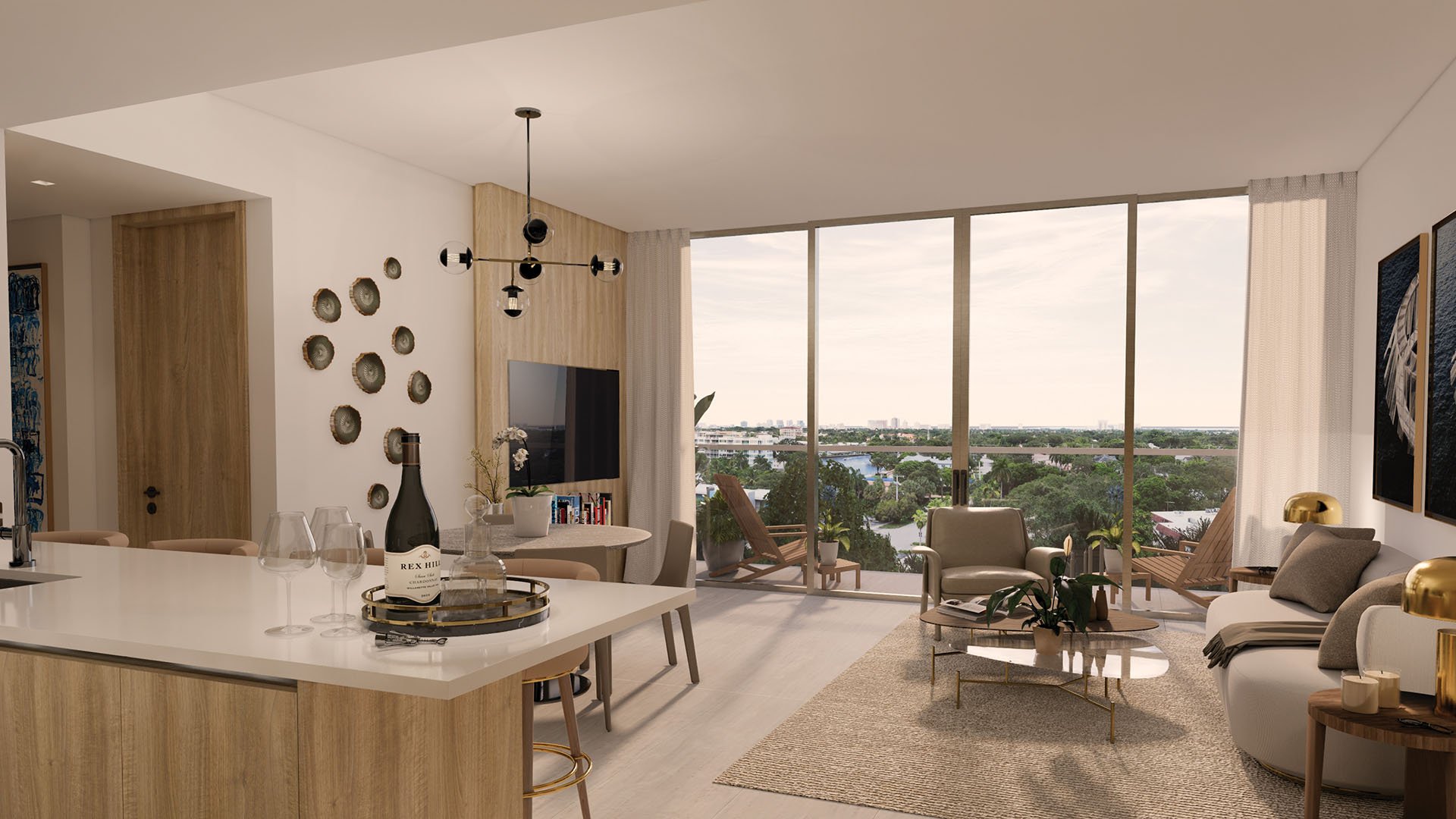
In South Florida’s most considered residences, the family room has become a true measure of livability. It is where the day begins without ceremony, where children drift in after the pool, where guests settle before dinner, and where a home’s relationship to air, light, and climate is most honestly revealed. The topic of Family Room Natural Ventilation: 321 Ocean Drive and 1 Waterplace Fort Lauderdale is therefore less technical than it first appears. It is about comfort that is felt before it is described.
Natural ventilation is not a substitute for refined mechanical systems, nor is it a nostalgic preference for open windows. In a humid coastal market, it is a design quality that must be weighed carefully. The best family rooms allow fresh air to enter when conditions are favorable, while preserving privacy, acoustic calm, security, and climate control. For buyers accustomed to turnkey luxury, that balance can distinguish a beautiful room from one that is genuinely lived in.
A formal living room can impress in a single visit. A family room has to perform for years. It must remain comfortable during quiet mornings, rainy afternoons, school holidays, televised matches, and late evenings after the terrace doors have opened and closed throughout the day. Air movement affects how the space feels, how quickly it recovers from cooking or entertaining, and whether the connection to the outdoors feels effortless rather than theatrical.
In coastal residences, buyers often focus first on the view. That instinct is understandable. Yet the view is only part of the experience. A room that frames water beautifully but traps heat, glare, or humidity may be less appealing in daily life than a slightly quieter room with better operability and airflow. Natural ventilation belongs in the same conversation as ceiling heights, floor plan, glazing, and outdoor space because it influences how often the family room becomes the preferred gathering place.
For buyers, the shorthand matters less than the lived test. The important questions are where air enters, where it exits, and whether the family room can adapt gracefully across the day.
When evaluating 321 Ocean Drive through the lens of family room ventilation, the prudent approach is to study the room rather than rely on first impressions. The essential test is intimate: how does the main informal living space handle air, light, and transition?
A serious walkthrough should begin with operability. Buyers should ask which openings can be used comfortably, how they relate to seating zones, and whether air movement feels direct or diffused. A family room that depends on a single opening may feel pleasant on certain days yet still lack flexibility. A room with more than one possible air path can feel calmer because it gives the owner choices.
The second consideration is threshold design. If the family room connects to an outdoor area, the detailing at that edge matters. A beautiful transition should not make daily use cumbersome. Door weight, screen solutions, shade, privacy, and furniture placement all influence whether residents actually open the room to the air or simply admire the idea of doing so.
For 1 Waterplace Fort Lauderdale, the same discipline applies. Fort Lauderdale buyers often place high value on indoor-outdoor living, but natural ventilation must still be assessed at the scale of the room. A family room can have an elegant outlook and still require careful study of exposure, wind behavior, and the relationship between openings and mechanical cooling.
In a warm climate, the best solution is rarely to keep a space open all day. Instead, luxury lies in modulation. The owner should be able to open the family room during temperate periods, close it when humidity rises, and maintain a consistent sense of calm throughout. This is where architecture and engineering quietly meet. The room should not force a choice between fresh air and comfort.
Buyers should also listen. Ventilation is not only about air volume. It is about the sensory character of the room once opened. Street activity, pool deck sound, marina noise, and neighboring outdoor spaces can all influence whether natural ventilation feels serene or exposed. The most refined residences make openness feel private.
Start with orientation. A family room’s exposure can affect heat gain, glare, and the times of day when opening the room feels desirable. Morning light may feel gentle, while late afternoon sun can be more demanding. The question is not whether sunlight is good, but whether the room has the right combination of shade, glass, and air movement to remain usable.
Next, examine cross ventilation. A single operable wall can provide connection, but air needs a path. If the plan allows air to move across or through adjacent zones, the family room may feel more responsive. If not, the experience may depend heavily on fans or mechanical systems. Neither condition is inherently negative, but the buyer should understand it before committing.
Then consider furnishings. Luxury staging can obscure practical airflow. Large sectionals, media walls, consoles, and drapery can interrupt breezes or make certain doors inconvenient to use. A thoughtful family room layout keeps pathways clear and allows the room to breathe without requiring a furniture reset.
Finally, ask how the room performs when closed. Natural ventilation is valuable precisely because it is optional. In South Florida, the closed condition matters as much as the open one. The family room should feel quiet, cooled, and composed when the climate outside is less forgiving.
The most successful family rooms do not announce their technical intelligence. They simply feel right. The temperature stabilizes. The air does not feel stale. The view can be enjoyed without glare becoming the dominant feature. Doors and windows operate without turning daily life into a performance. This is the kind of luxury that reveals itself over time.
For families comparing 321 Ocean Drive and 1 Waterplace Fort Lauderdale, the question is not which residence sounds more compelling in the abstract. It is which family room supports the intended rhythm of life. Some owners will prioritize openness for entertaining. Others will value a controlled media environment with occasional fresh air. A household with children, pets, frequent guests, or seasonal occupancy may have different needs than a buyer seeking a quieter second home.
Natural ventilation should also be considered alongside maintenance. Salt air, humidity, and frequent operation can place demands on hardware, seals, screens, and finishes. A polished family room is not only designed well at delivery. It remains pleasant because its moving parts continue to feel solid, secure, and easy to use.
The strongest way to compare these residences is to visit at different times of day when possible. Morning, midday, and early evening can reveal different truths. Open the room, close it, sit in the main seating position, stand near the threshold, and observe how the space changes. A family room should not only photograph well. It should invite a longer stay.
Buyers should resist treating ventilation as a checklist item that comes after finishes and views. In daily life, air is part of the finish. It shapes the mood of the room, the comfort of guests, and the sense of health within the home. When natural ventilation is handled with restraint and intelligence, it supports the rarest quality in luxury real estate: ease.
Why is natural ventilation important in a luxury family room? It affects comfort, freshness, and the room’s connection to outdoor living. In South Florida, it should complement climate control rather than replace it.
Should buyers prioritize views or airflow? The best residences balance both. A beautiful view is more valuable when the room also feels comfortable through daily use.
How should I evaluate 321 Ocean Drive for family room ventilation? Focus on operable openings, furniture placement, shade, privacy, and how the room feels when opened and closed. The experience should be practical, not just visual.
How should I evaluate 1 Waterplace Fort Lauderdale for ventilation? Study how air moves through the family room and whether openness feels calm. Also consider sound, humidity, and the transition to outdoor areas.
Is cross ventilation always necessary? It is desirable, but not the only measure of comfort. Mechanical cooling, fans, shading, and layout all contribute to the final experience.
Can natural ventilation increase humidity indoors? Yes, if used at the wrong time or without proper climate control. The goal is selective use during favorable conditions.
What should I test during a showing? Open the available doors or windows, sit in the main seating area, and notice air movement, noise, glare, and ease of operation. Repeat the test when the room is closed.
Do terraces and balconies improve ventilation? They can, especially when openings are well placed and easy to use. Their value depends on orientation, privacy, and the room’s layout.
Is natural ventilation mainly a wellness feature? It supports wellness, but it is also a lifestyle and design feature. A well-ventilated family room often feels more relaxed and more frequently used.
What is the best way to shortlist comparable options for touring? Start with location fit, delivery status, and daily lifestyle priorities, then compare stacks and elevations to validate views and privacy.
When you're ready to tour or underwrite the options, connect with MILLION.
If branded residences are on your mind — as a home or as an allocation — we would be glad to share what we are seeing, privately.
Begin a quiet conversation