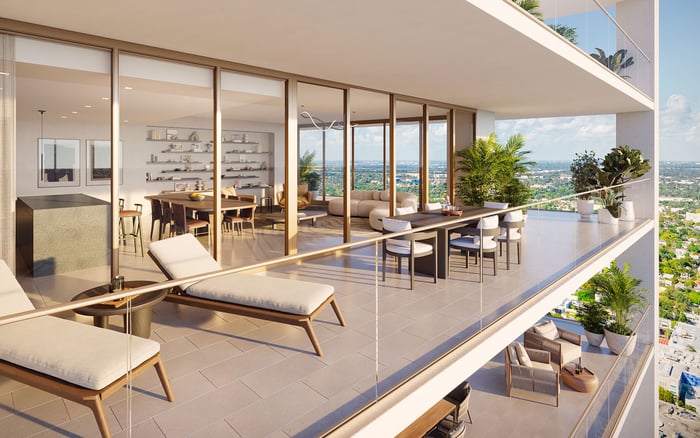
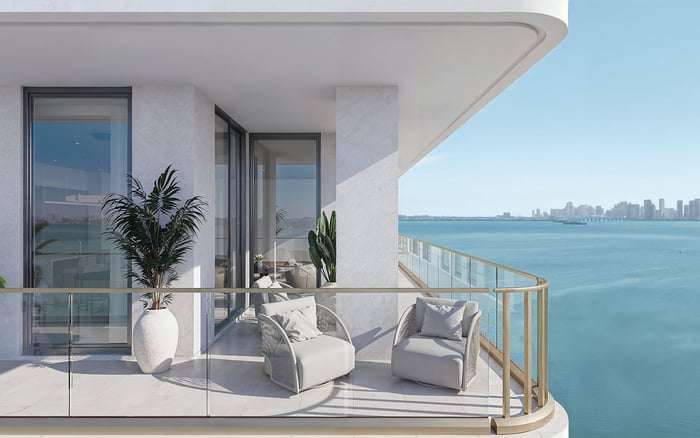
A buyer-focused guide to terrace drainage questions for luxury real estate in Las Olas, with practical due diligence prompts for outdoor living, finishes, maintenance and resale confidence.
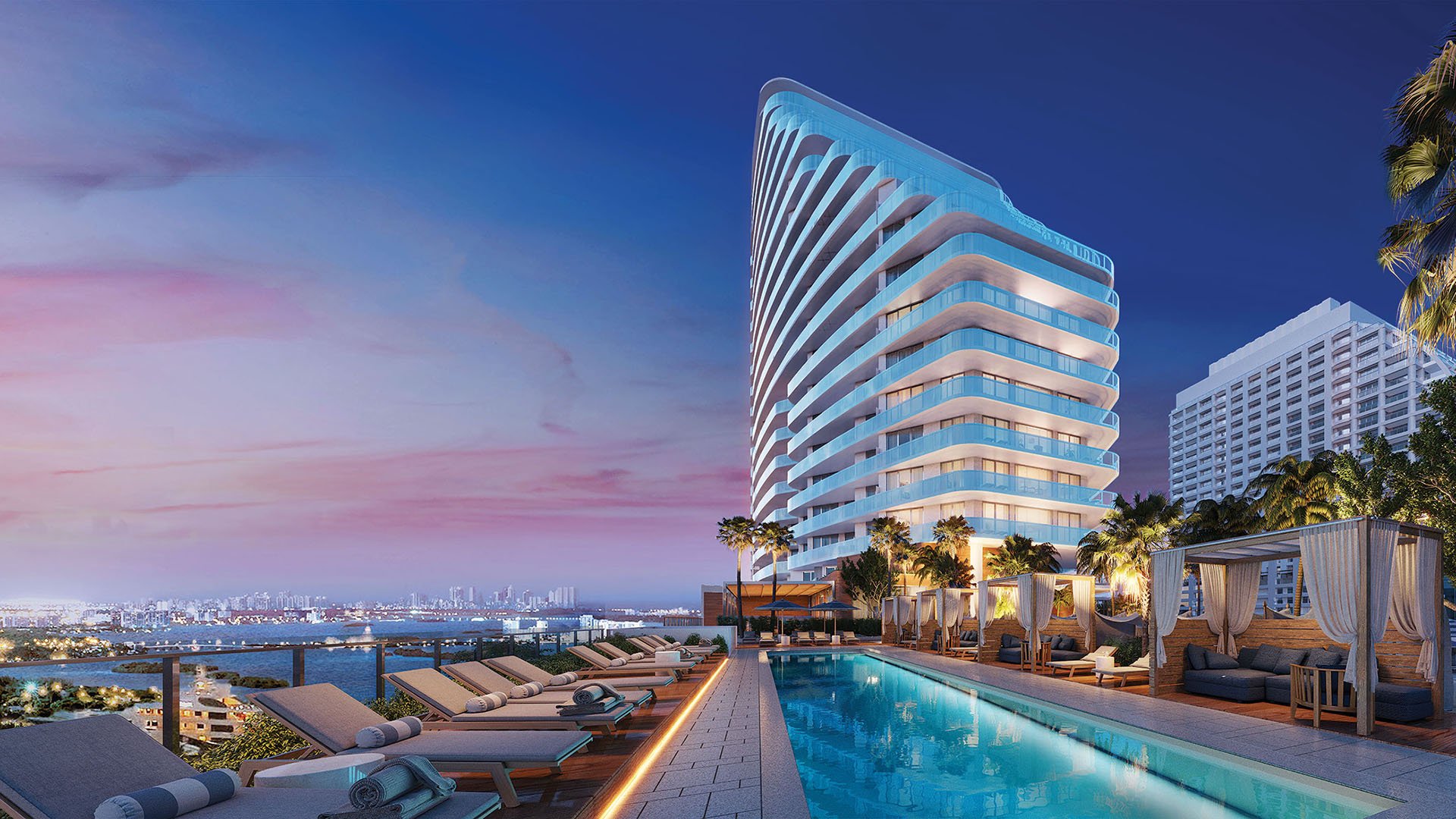
In Las Olas, the terrace is not a decorative afterthought. It is an open-air living room, a place for morning coffee, sunset entertaining and quiet moments over a water view. For many buyers, outdoor space is one of the emotional reasons a residence feels exceptional. Yet even the most elegant terrace can become a frustration if water does not move cleanly, quietly and predictably.
Terrace drainage is rarely the first question asked during a showing. Buyers notice the view, the stone, the railings, the furniture plan and the privacy. They may not notice the floor pitch, drain covers, threshold height or maintenance access until the first heavy rain. A thoughtful buyer should treat drainage as part of the residence’s architecture, not as a minor technical detail.
This is especially relevant in a Fort Lauderdale search near Las Olas, where luxury living often has a close relationship with water, weather and outdoor entertaining. Whether you are considering a resale condominium, a boutique waterfront building or new construction, the right questions can help separate cosmetic polish from durable design.
The first question is simple: where does the water go? A qualified representative should be able to explain how rainwater leaves the terrace, whether through area drains, scuppers, internal piping, overflow points or another system. The answer does not need to be elaborate, but it should be clear.
Ask whether the terrace has a deliberate slope, where the low points are located and whether water is expected to travel across occupied areas before reaching a drain. On a luxury terrace, drainage should feel nearly invisible in daily use. It should not require guests to step around standing water, and it should not push runoff toward doors, planters or furniture zones.
For buyers comparing residences such as Riva Residenze Fort Lauderdale with other waterfront options, the drainage conversation belongs alongside the evaluation of ceiling heights, views and finish packages. Outdoor space is valuable because it is usable. Drainage is one of the systems that protects that usability.
The line between interior and exterior is one of the most important details in a luxury residence. Large glass doors are beautiful, but they also create a critical transition. Ask how the terrace threshold is designed to limit water intrusion, how door tracks drain and whether the system is intended to handle wind-driven rain.
Look for staining, swelling, discoloration or repeated sealant work near door frames. These signs do not automatically indicate a serious issue, but they deserve explanation. A pristine interior wall beside a terrace door may be reassuring, yet it should not replace a direct conversation about how the assembly performs.
If the residence has a balcony rather than an expansive terrace, the same logic applies. Smaller outdoor spaces can still experience standing water, clogged drains or poorly directed runoff. Scale does not eliminate risk. It simply changes where the questions should focus.
A drain is only as reliable as its access. Ask how drains are cleaned, who is responsible for cleaning them and how often they are inspected. In a condominium, responsibilities may be divided among the owner, association and building maintenance team. That division should be understood before closing, not discovered after a storm.
Decorative drain covers should allow for real maintenance. If they are difficult to remove, hidden beneath furniture or placed where leaves and debris accumulate, they may be neglected. The best systems combine visual restraint with serviceability.
At buildings positioned for a refined urban lifestyle, such as Sixth & Rio Fort Lauderdale, buyers should bring the same scrutiny to exterior performance that they bring to kitchens, baths and amenity programming. A beautiful outdoor room is still part of the building envelope.
Terrace finishes can support drainage or complicate it. Ask whether pavers are set over a drainage layer, whether planters have dedicated drainage and whether any added finishes were installed after original delivery. Owner upgrades can be highly attractive, but they may alter how water moves.
Planters deserve particular attention. They add softness and privacy, but they also introduce soil, irrigation, roots and organic debris. Ask how planter runoff is controlled and whether irrigation lines are independent from storm drainage. If the terrace has built-in landscaping, maintenance should be considered as carefully as aesthetics.
Stone, porcelain and other exterior surfaces should also be evaluated for slip resistance and pooling. A polished look may photograph beautifully, but the true test is how it behaves after rain. In a terrace setting, elegance and practicality should reinforce one another.
A confident answer is helpful, but history is better. Ask whether the terrace has had prior drainage repairs, waterproofing work, door track service, drain cleaning issues or complaints from adjacent units. The goal is not to find a flawless property. The goal is to understand whether past issues were isolated, properly corrected and documented.
For a resale, request relevant maintenance records when appropriate. For new construction, ask about warranties, turnover procedures and how terrace systems are inspected before delivery. Buyers considering branded or high-service properties such as Four Seasons Hotel & Private Residences Fort Lauderdale should still ask direct technical questions. Service culture is valuable, but it does not replace due diligence.
If a seller or developer representative dismisses drainage as unimportant, treat that as a signal to slow down. Luxury buyers are entitled to ask precise questions about the systems that protect comfort, finishes and long-term value.
Drainage is not only about storms. It affects how the terrace lives every week. Ask where furniture can be placed without blocking drains. If there is an outdoor kitchen, grill area or bar, ask how cleaning water, rainwater and any appliance-related drainage are handled. If rugs are planned, ask whether they could trap moisture over drains or finished surfaces.
A terrace that works empty may perform differently once fully furnished. High-end outdoor furniture, large planters and privacy screens can change airflow, shade and water movement. Before buying, imagine the terrace as you intend to use it, then ask how drainage will perform with that real layout.
This matters for properties with substantial outdoor appeal, including destinations such as St. Regis® Residences Bahia Mar Fort Lauderdale. The more a residence depends on outdoor living for its identity, the more drainage belongs at the center of the purchase conversation.
A luxury showing can be persuasive. Views, finishes and amenities often create momentum. Terrace drainage rewards patience. Before deadlines pass, consider having an inspector, engineer or qualified building professional review the exterior areas. Their role is not to diminish the romance of the residence. It is to help protect it.
Ask them to look at slope, drain placement, staining, sealant conditions, door thresholds, waterproofing indicators and any signs of deferred maintenance. If they recommend further review, take it seriously. A terrace problem can be inconvenient, expensive and disruptive, particularly when access affects neighboring units or common elements.
The right purchase is not the one with no questions. It is the one where the questions receive clear, consistent answers.
What is the first terrace drainage question to ask? Ask where rainwater is intended to go and how it reaches the drain or overflow point.
Should a luxury terrace have visible slope? Some slope is expected, but it should feel subtle and should not compromise furniture placement.
Are door thresholds part of drainage due diligence? Yes. Door tracks and thresholds are critical because they protect the interior from water intrusion.
Who usually maintains terrace drains in a condominium? Responsibility can vary between the owner, association and building staff, so confirm it in writing.
Can planters create drainage concerns? Yes. Planters can add irrigation runoff, debris and moisture, all of which should be managed.
Is standing water always a defect? Not always, but persistent ponding deserves professional review and a clear explanation.
Should buyers ask about past terrace repairs? Yes. Prior repairs can be acceptable if they were properly completed and documented.
Do smaller balconies need the same review? Yes. A smaller balcony can still have clogged drains, poor slope or threshold issues.
Should outdoor furniture plans be discussed before closing? Yes. Furniture, rugs and planters should not block drains or trap moisture.
When should an expert review the terrace? Ideally before inspection deadlines or contract contingencies expire.
If you'd like a private walkthrough and a curated shortlist, connect with MILLION.
If branded residences are on your mind — as a home or as an allocation — we would be glad to share what we are seeing, privately.
Begin a quiet conversation