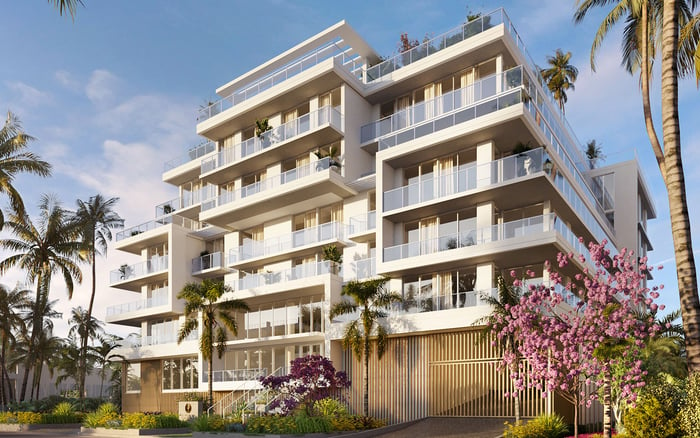
A discreet, buyer-oriented framework for families comparing education, memberships, daily travel, residential security, and property options before relocating to Bay Harbor Islands.

For a family relocating from Washington, D.C. to Bay Harbor Islands, the decisive questions extend well beyond architecture and water views. The right residence must support a complete operating plan: education, household staffing, club life, daily transportation, privacy, guest access, storm procedures, and the rhythms of children’s schedules.
The most effective search therefore begins with constraints, not finishes. Establish which schools merit consideration, where adults must travel regularly, what level of building oversight feels appropriate, and whether club participation is essential. Only then should the property shortlist become definitive.
Create a written brief that defines the family’s non-negotiables and preferences. Separate immediate requirements from amenities that are merely attractive. Bedroom count, workspaces, storage, parking needs, pet policies, staff access, delivery handling, and outdoor areas should all be addressed before a showing.
Lifestyle priorities deserve equal precision. A family may value a quiet arrival sequence, discreet service, effortless entertaining, or a residence that can be secured during extended absences. Buyers considering Alana Bay Harbor Islands can use the project as one point of comparison, testing those requirements against other suitable residences.
Private-school selection should precede a final purchase whenever enrollment is central to the move. Build a shortlist based on educational philosophy, grade availability, admissions timing, transportation expectations, after-school commitments, and each child’s needs. Do not assume one school will suit siblings equally well.
Ask each school directly about application steps, required records, interviews, decision timing, transportation, calendars, uniforms, athletics, and support services. The relocation timeline should also include a contingency plan in case the preferred admission and home-closing schedules do not align.
Once the school shortlist is credible, make the actual morning and afternoon drives. A map estimate cannot account for drop-off queues, weather, construction, or overlapping household schedules.
Club access can shape social life, recreation, and entertaining, but buyers should distinguish proximity from eligibility. Confirm membership categories, sponsorship or referral expectations, waitlists, family privileges, guest rules, seasonal demand, dress standards, dining policies, and resignation terms directly with each club under consideration.
The relevant question is not simply whether a club appears convenient, but whether its culture, calendar, and operating rules suit the household. Families interested in Bal Harbour destinations should include those trips in real-world drive tests rather than treating them as abstract points on a map.
Replace the idea of a single commute with a seven-day household schedule. Include school runs, offices, airports, medical appointments, lessons, sports, dining, and weekend obligations. Test routes at the times they will actually be used, including the return journey.
A residence such as Bay Harbor Towers can be entered into a comparison matrix that accounts for projected departure times, parking procedures, vehicle handoffs, and backup routes. The purpose is not to predict every trip, but to identify where a single delay could disrupt several family members at once.
Households with drivers or security personnel should also assess waiting areas, loading procedures, vehicle staging, and communication protocols. In daily life, these details often matter more than a slight difference in estimated travel time.
Security due diligence should be specific, discreet, and documented. Ask management how residents, guests, vendors, domestic staff, contractors, deliveries, and rideshare vehicles are admitted. Clarify whether access credentials are individualized, how lost credentials are handled, and how entry records are managed.
Inside the residence, evaluate elevator access, door and window hardware, alarm compatibility, camera rules, package handling, internet resilience, backup power arrangements, water-detection systems, and procedures during an extended absence. Waterfront exposure should prompt additional questions about insurance, emergency planning, building maintenance, and the storage or removal of outdoor furnishings.
Privacy is related but distinct. During tours of Onda Bay Harbor, or any alternative, study sightlines from neighboring properties, elevator circulation, service access, terrace exposure, and the route from vehicle to front door. Request current written policies rather than relying on informal descriptions.
A polished interior can be renovated; a building’s circulation, management framework, and service culture are far less easily changed. With qualified advisers, review governing documents, budgets, insurance information, maintenance responsibilities, alteration rules, reserve planning, leasing provisions, pet policies, staffing arrangements, and pending work.
Consider how the property performs on an ordinary Tuesday-and during a long absence. Who receives a delivery? Where does a tutor wait? How does a caregiver enter? Can children move appropriately through common areas? What happens when household staff, guests, and contractors arrive at nearly the same time?
The Well Bay Harbor Islands may belong on the same decision sheet as boutique or larger-format alternatives, but every comparison should use identical criteria. New construction should receive the same documentary, financial, and operational scrutiny as an existing residence.
Before committing, repeat the school and commute tests, revisit the property at different times, and verify every material representation in writing. A useful scorecard assigns greater weight to education, security, privacy, and recurring logistics than to features used only occasionally.
The strongest choice is the residence that reduces friction across the family’s full week while preserving flexibility as children, work patterns, and lifestyle priorities evolve.
Should school selection happen before choosing a residence? Yes, when admission is essential. Establish a credible shortlist and test its logistics before finalizing the home decision.
How should a family compare private schools? Compare educational fit, admissions timing, grade availability, transportation, calendars, activities, and each child’s individual needs.
Are estimated commute times sufficient? No. Drive the relevant routes in both directions during actual school, work, and activity windows.
What club questions should be asked first? Confirm eligibility, application procedures, waitlists, family privileges, guest rules, fees, and operating calendars directly.
What should buyers ask about building access? Ask how residents, guests, staff, vendors, contractors, deliveries, and vehicles are identified and admitted.
How can privacy be assessed during a tour? Review sightlines, elevator circulation, service routes, terrace exposure, neighboring properties, and the full arrival sequence.
What documents deserve professional review? Review governing documents, financial materials, insurance information, maintenance obligations, alteration rules, and pending work.
How should household staff factor into the search? Map staff entry, parking, credentialing, waiting areas, service circulation, scheduling, and access during family absences.
What should families consider about waterfront living? Examine insurance, emergency procedures, maintenance responsibilities, water detection, outdoor furnishings, and absence planning.
How should the final shortlist be scored? Use consistent criteria weighted toward school fit, security, privacy, weekly logistics, management, and long-term flexibility.
When you're ready to tour or underwrite the options, connect with MILLION.
If branded residences are on your mind — as a home or as an allocation — we would be glad to share what we are seeing, privately.
Begin a quiet conversation