Bay Harbor Towers presents a waterfront primary-residence proposition, but advertised Wi-Fi wiring does not establish home-office performance or outage resilience. A buyer-focused review of bandwidth, carrier independence, backup power, and the written confirmations worth securing before purchase.
A waterfront home should make the working day feel less intrusive, not more fragile. For the primary-residence buyer, reliable connectivity belongs alongside privacy, light, and a well-resolved floor plan. The question is not simply whether a residence accommodates a desk, but whether its communications infrastructure supports the life conducted from it.
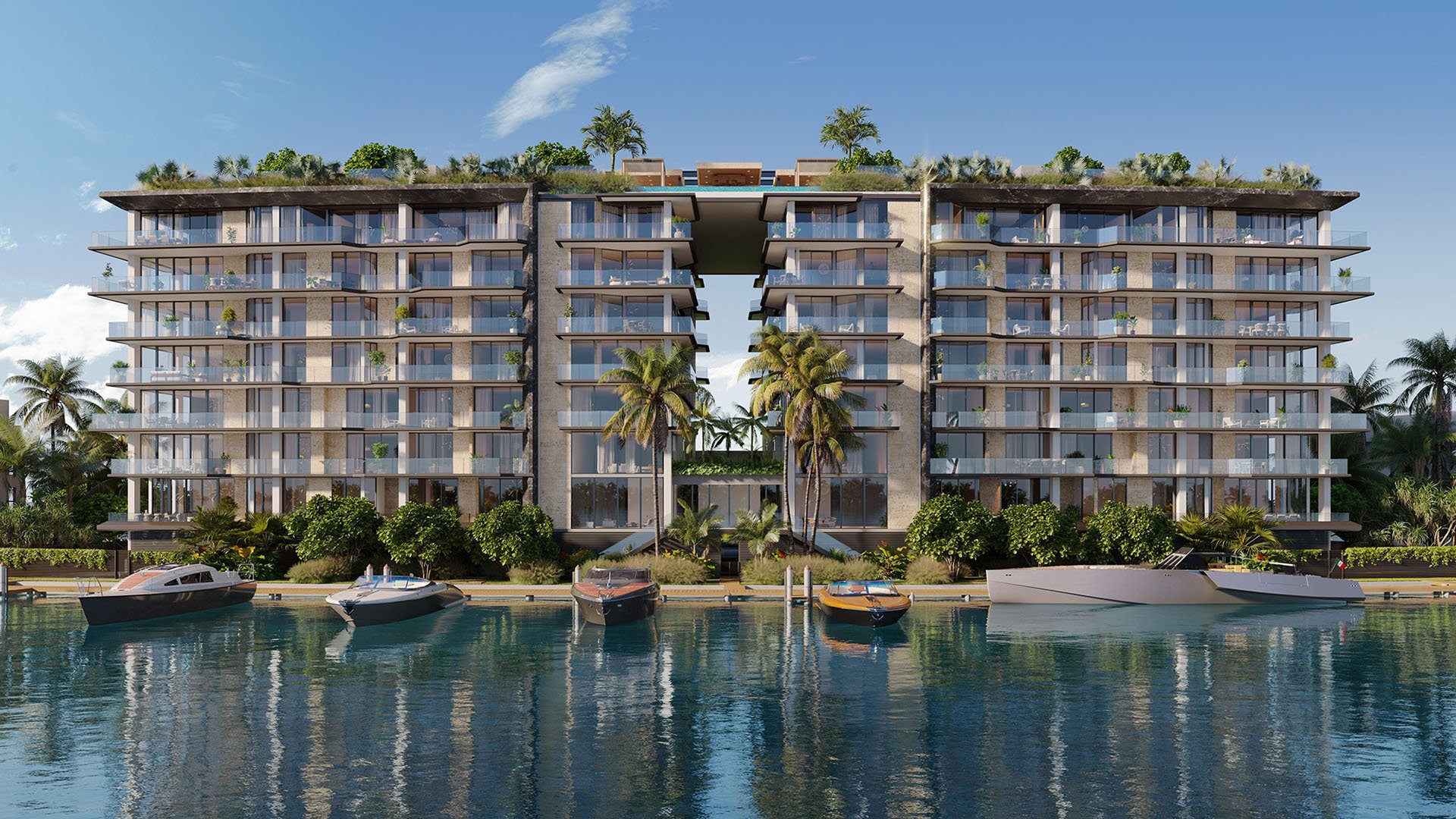
At Bay Harbor Towers, the residential proposition is clear: a waterfront condominium at 10143 East Bay Harbor Drive in Bay Harbor Islands, with 44 residences across eight stories. Flow-through layouts, bay views, generous sunrise and sunset terraces, open-concept kitchens, and floor-to-ceiling windows frame its appeal.
Connectivity requires a separate assessment. Homes are advertised as wired or pre-wired for high-speed Wi-Fi, but that language does not establish guaranteed bandwidth, independent telecommunications routes, or generator-backed internet. Those capabilities remain unverified, not necessarily absent.
For a buyer working from home, the useful document is a service specification, not an amenity description. Advertised Wi-Fi wiring does not identify an internet provider, guaranteed upload and download speeds, or service-level commitments. Nor does it establish whether fiber reaches each residence or where the unit's telecommunications demarcation point sits.
Request written answers tracing the connection from the building entrance to the intended office. Ask whether service is fiber-to-unit or another architecture, which providers can serve the residence, and what typical and maximum upload and download speeds are available. Clarify whether any performance commitment applies to the residence itself.
The commercial details matter, too. Installation costs, equipment ownership, and responsibility for maintaining the connection should be explicit. Have the provider distinguish what is included from what requires a separate subscription or installation.
A buyer also considering The Well Bay Harbor Islands should request the same answers there. This is a comparison standard, not a claim that either project offers superior infrastructure. Consistent questions make otherwise dissimilar residential offerings easier to evaluate.
Two available providers should prompt a routing question, not end the inquiry. Ask whether alternative carriers would enter through physically separate building entrances and follow distinct upstream routes. Neither two independent carriers nor physically diverse telecommunications entrances are confirmed at Bay Harbor Towers.
For a primary residence, request a clear explanation of which parts of each proposed connection are shared. Have the relevant technical team identify the routes and explain how a failure would affect service. Without that clarification, a second subscription is not documented resilience.
The same discipline applies when evaluating Onda Bay Harbor alongside Bay Harbor Towers. Compare written descriptions of carrier choice and physical routing. Neither a waterfront address nor boutique scale answers those questions.
For the residence itself, consider a separately powered backup connection using a different network. Test its suitability in the intended office rather than presuming it from reception elsewhere in the building.
Generator-backed connectivity is the most consequential unresolved point in this review. Whether backup power covers the full building, selected emergency loads, or telecommunications systems remains unverified. Outage power for telecom rooms, network switches, in-unit internet equipment, and common-area Wi-Fi is also unconfirmed.
Ask for the generator load schedule and have the relevant professionals identify every network-related load it includes. The review should explicitly address building telecommunications equipment and the equipment serving the residence. A general statement about backup power is no substitute for identifying the systems it supports.
Request transfer-switch details, fuel autonomy, and available testing records. Ask how the proposed arrangement would handle the transition from utility power and what the owner would need to provide within the unit. Keep the question precise: what connectivity is intended to remain available, for how long, and under what conditions?
Storm planning deserves its own discussion. Ask where electrical rooms, telecom entrances, network rooms, and any generator equipment sit relative to flood exposure, and what protective measures are specified. The presence of backup equipment alone should not close that inquiry.
Treat unresolved answers as purchase questions requiring documentation, not as evidence that the building lacks these capabilities.
Terrace views can make a workspace compelling, but evaluate the office at the actual desk location. When access and service availability permit, verify wired internet performance and cellular reception there. Until testing is possible, distinguish planned specifications from demonstrated performance.
Review how the intended workspace fits within the marketed flow-through layout. Consider daylight, privacy, the position of floor-to-ceiling windows, and proximity to the open kitchen. These require plan review and an eventual visit; a general residence description cannot resolve them.
A residents' lounge is advertised, but it is not established as a dedicated coworking facility with guaranteed internet performance. Do not make it the household's default backup office without confirming access, connectivity, and suitability for the intended work.
Likewise, the advertised private marina with 13 boat slips speaks to waterfront living, not telecommunications resilience. Keep lifestyle amenities and operating requirements on separate evaluation sheets.
Before committing, assemble a concise connectivity file: proposed service architecture, provider options, speed descriptions, routing information, backup-power scope, and responsibility for installation and maintenance. Ask that each answer specify whether it describes a planned feature, an installed system, or tested performance.
Have counsel review material connectivity representations and any available inspection or cancellation protections. Do not assume that marketing language creates an enforceable performance guarantee. If working from home is essential, discuss its requirements during purchase review rather than deferring them until occupancy.
Apply that standard beyond the islands. A buyer extending the search to Bal Harbour and Rivage Bal Harbour should bring the same documentation request to those conversations, without assuming comparable systems or service terms.
Confirm current construction progress and delivery directly as well. Historical construction milestones and a pre-construction label do not establish present readiness for installation or testing.
Bay Harbor Towers offers a clearly defined waterfront setting and residential scale. Its advertised connectivity, however, is not yet a documented answer to the demands of a bandwidth-dependent household.
The conclusion is conditional, not dismissive: evaluate the residence on its spatial merits while requiring written clarity on bandwidth, independent routes, and outage power. For a full-time home, operational confidence should inform the purchase decision, not become an assumption after it.
Explore South Florida residences with a primary-residence perspective at MILLION.
If branded residences are on your mind — as a home or as an allocation — we would be glad to share what we are seeing, privately.
Begin a quiet conversationBay Harbor Towers is a waterfront condominium development at 10143 East Bay Harbor Drive in Bay Harbor Islands, Florida.
The project is described as a collection of 44 residences, with eight stories listed in marketing.
Homes are advertised as wired or pre-wired for high-speed Wi-Fi. That description does not establish guaranteed upload or download speeds or service-level commitments.
Fiber reaching each residence remains unverified. Buyers should request the service architecture and the location of the unit's telecommunications demarcation point.
Two independent carriers and physically diverse telecommunications entrances remain unverified. Ask about both provider choice and physical routing.
Generator-backed power for telecom rooms, network switches, in-unit equipment, and common-area Wi-Fi remains unverified. Request explicit confirmation of the supported loads.
Request the generator load schedule, transfer-switch details, fuel autonomy, and available testing records. Seek specific confirmation of coverage for building and in-unit network equipment.
A lounge is advertised, but dedicated coworking use and guaranteed internet performance are not established. Confirm its suitability before relying on it for work.
When access and service availability permit, verify wired service and cellular reception at the intended desk location. Consider testing a separately powered backup connection on a different network.
Historical construction information and a pre-construction label do not establish current progress or delivery. Confirm both directly before making installation or occupancy plans.