A discreet buyer’s guide to choosing a South Florida residence around family-office travel, cultural access, privacy, and the practical rhythm of invitation-led seasons.
For family-office principals, conference season in South Florida is rarely just a sequence of panels, private dinners, and collector invitations. It is a stress test of how a residence performs when the calendar tightens, guests move through town, and decisions must be made between cultural commitments, investment conversations, and family time.
The best base is not always the most visible address. It is the one that makes the right rooms feel close, the right exits feel discreet, and the right social obligations feel optional rather than draining. Buyers who prize cultural access should treat the purchase as lifestyle infrastructure: where the household will sleep well, receive guests gracefully, and pivot quickly when the evening changes.
A useful first exercise is to build a private map of the season. Mark the recurring venues, dinners, board meetings, school commitments, club invitations, airport patterns, and family routines that actually matter. Then compare neighborhoods against that map, rather than beginning with skyline, sand, or brand preference.
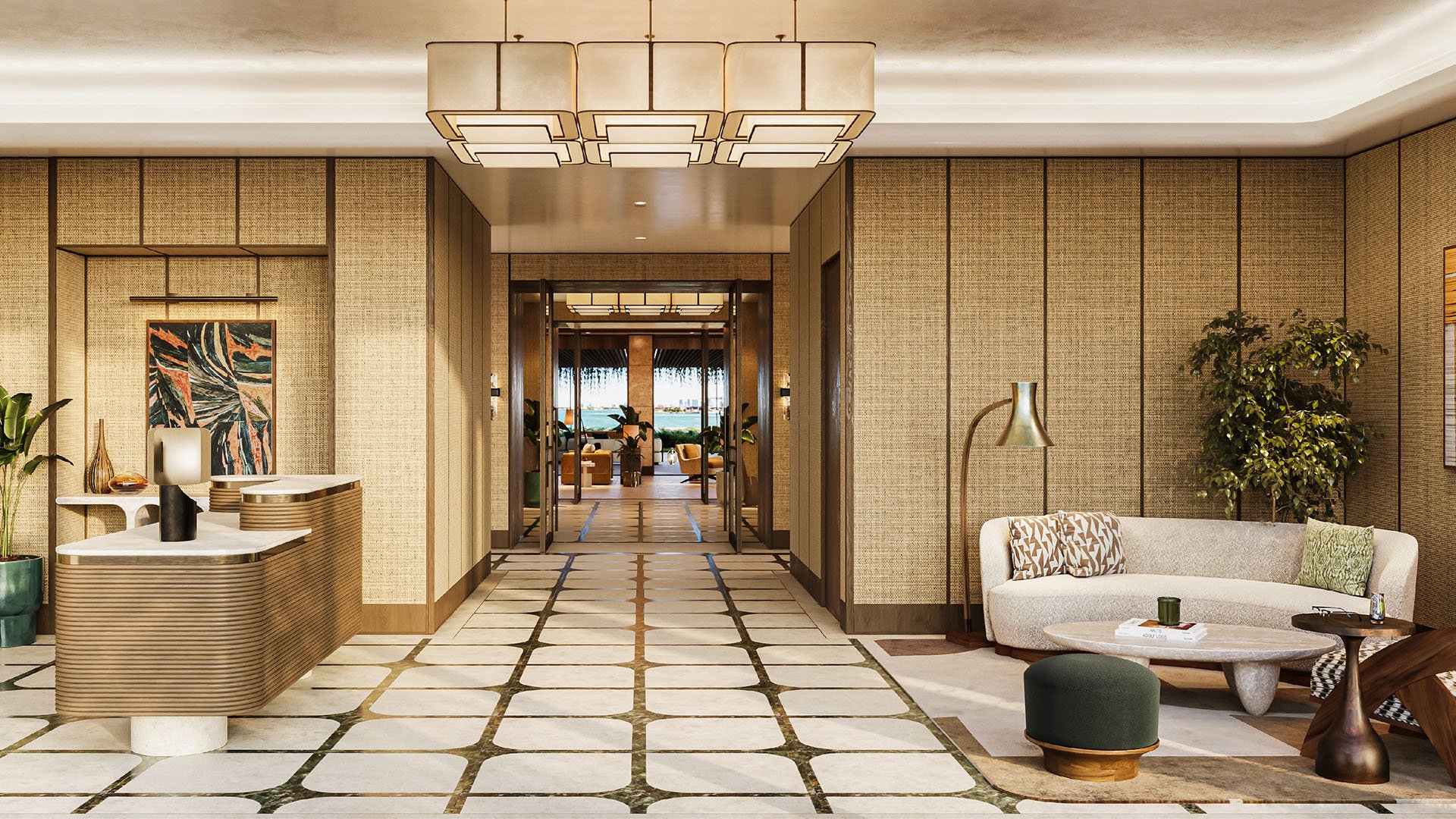
For buyers whose workweek is heavily business-facing, Brickell often enters the conversation because it can support a denser, meeting-oriented rhythm. A residence such as The Residences at 1428 Brickell may be evaluated less as a trophy than as a command post: how does the arrival feel, where can calls happen privately, and how quickly can the household shift from daytime obligations to evening culture?
The larger point is discipline. A cultural calendar should not be romanticized. It should be timed, rehearsed, and measured against real household patterns.
“Access” is an imprecise word. For one buyer, it means proximity to serious art conversations. For another, it means quiet philanthropy, restaurant tables, private performances, salon-style entertaining, or simply hosting visiting family without feeling absorbed by the city.
A buyer drawn to a calmer residential texture may compare the Grove with more vertical urban choices. Four Seasons Residences Coconut Grove belongs in that discussion because the question is not only where an owner goes at night, but how the day begins, how children or guests move, and whether the home offers a restorative interval between obligations.
This is where Coconut Grove, Brickell, Miami Beach, and island-oriented enclaves can diverge. The difference is not simply geography. It is social tempo.
Family-office buyers often understand the cost of visibility. A celebrated address can be useful, but it can also create friction if arrivals are too exposed, service pathways are awkward, or staff and guests compete for the same spaces. The right residence should protect the principal’s time and reduce the number of decisions required during a crowded week.
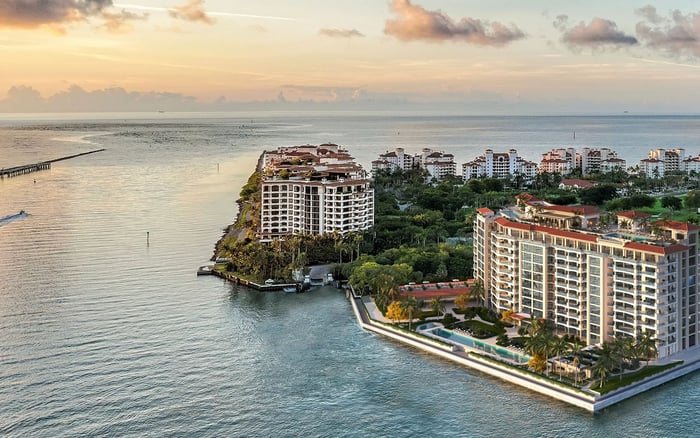
For households evaluating an island-style privacy model, The Residences at Six Fisher Island can be considered through a different lens: not merely seclusion, but controlled participation. The key question is whether privacy strengthens access or makes every cultural outing feel over-engineered.
The most successful purchases balance both instincts. They allow an owner to appear when it matters and disappear when it does not.
Miami Beach remains part of many cultural-access conversations because buyers often associate the barrier island with entertaining, hospitality, and evening movement. But the decision should be granular. Which entrances feel composed? Where do cars queue? Can guests arrive without ceremony when discretion is preferred? Does the residence function on a quiet morning as well as it does during a lively night?
A project such as Shore Club Private Collections Miami Beach can be discussed in this context because buyers are often weighing the emotional pull of Miami Beach against the practical burden of being where others also want to be. The correct answer depends on whether the household wants to live inside the current or beside it.
For many ultra-premium buyers, the ideal is neither isolation nor constant exposure. It is adjacency with control.
Not every family-office calendar is Miami-centric. Some households prefer a base that supports a broader South Florida life, with cultural, philanthropic, and family obligations spread across multiple communities. In that case, West Palm Beach may enter the shortlist not as an alternative to Miami, but as a different season strategy.
When evaluating The Ritz-Carlton Residences® West Palm Beach, the relevant questions are similar to those in Miami: how does the building support hosting, recovery, staff coordination, and movement? Does the surrounding rhythm align with the household’s preferred level of formality? Can the owner keep a private life intact while still participating in the cultural calendar?
The strongest South Florida base is the one that matches actual obligations, not inherited assumptions about prestige.
Before committing, buyers should pressure-test the property as if the busiest week has already arrived. Walk the arrival sequence. Sit in the rooms where calls will happen. Consider where a driver waits, where luggage lands, where guests gather before dinner, and where a principal can retreat without explanation.
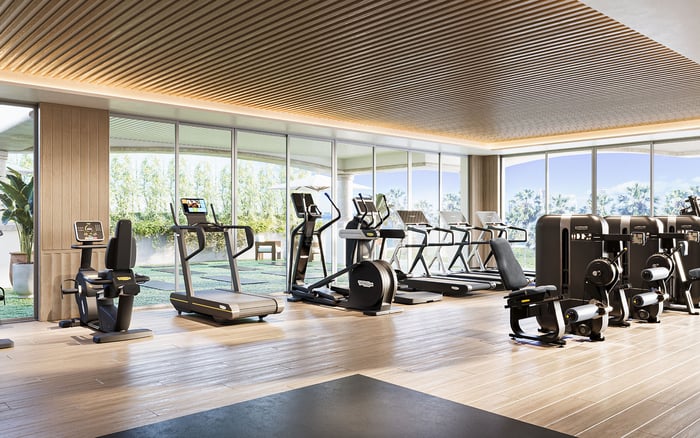
Also consider the soft infrastructure: elevator privacy, staff friendliness, guest protocols, pet movement, wellness routines, and whether the residence can absorb schedule changes without drama. Cultural access is not only about distance. It is about reducing friction between invitation and arrival.
A beautiful home that performs poorly under social pressure will feel less luxurious over time. A composed home, even one with a quieter profile, can become indispensable.
Choose the base that answers four questions with clarity. First, does it shorten the right journeys? Second, does it preserve privacy without making access cumbersome? Third, does it support hosting at the level your circle expects? Fourth, does it give the family a restorative daily life when the calendar quiets?
For South Florida’s most discerning buyers, cultural access is not a single neighborhood decision. It is a choreography of meetings, art, philanthropy, hospitality, wellness, family, and discretion. The address should make that choreography feel effortless.
Should a family-office buyer choose the most central location? Not always. The best location is the one that fits the owner’s recurring calendar, privacy needs, and preferred daily rhythm.
Is Brickell primarily for business-oriented buyers? Brickell can suit buyers with frequent meetings and urban routines, but it should still be tested against family, privacy, and hosting priorities.
Why would Coconut Grove appeal to cultural-access buyers? Coconut Grove may appeal to buyers seeking a softer residential cadence between events, dinners, and travel obligations.
Does Miami Beach make sense for discreet buyers? It can, provided the residence offers controlled arrivals, thoughtful service flow, and sufficient retreat from the social current.
How should buyers think about Fisher Island? Fisher Island may suit buyers who value privacy and controlled participation, especially when discretion is central to the household.
Can West Palm Beach be part of a South Florida strategy? Yes. For some families, West Palm Beach supports a broader cultural and philanthropic life beyond a Miami-only calendar.
What should be tested before signing? Test arrivals, guest movement, elevator privacy, staff coordination, call spaces, wellness routines, and the feel of the home under pressure.
Is a branded residence always better for this buyer profile? Not automatically. Service quality matters, but the residence must still match the owner’s calendar, privacy expectations, and hosting style.
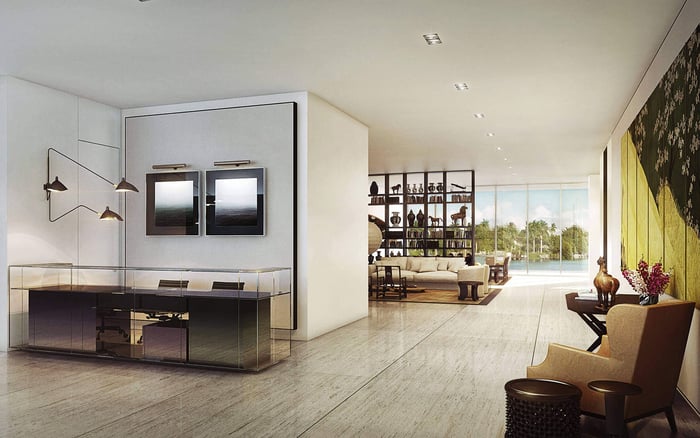
How important is hosting capability? Very important. Cultural access often extends into the home, so entertaining areas, guest flow, and back-of-house function deserve close scrutiny.
What is the best way to shortlist comparable options for touring? Start with location fit, delivery status, and daily lifestyle priorities, then compare stacks and elevations to validate views and privacy.
For a discreet conversation and a curated building-by-building shortlist, connect with MILLION.
If branded residences are on your mind — as a home or as an allocation — we would be glad to share what we are seeing, privately.
Begin a quiet conversation