A buyer-focused look at Faena’s proposed Miami River residences, from architecture and interiors to hospitality, wellness, ownership costs, and pre-construction diligence.
Design-led living is most persuasive when it shapes the ordinary day: the quality of light at breakfast, the connection between terrace and living room, and the discretion of service. At Faena Residences Miami Downtown Miami, the proposed development combines those residential priorities with Alan Faena’s emphasis on art, culture, and hospitality.
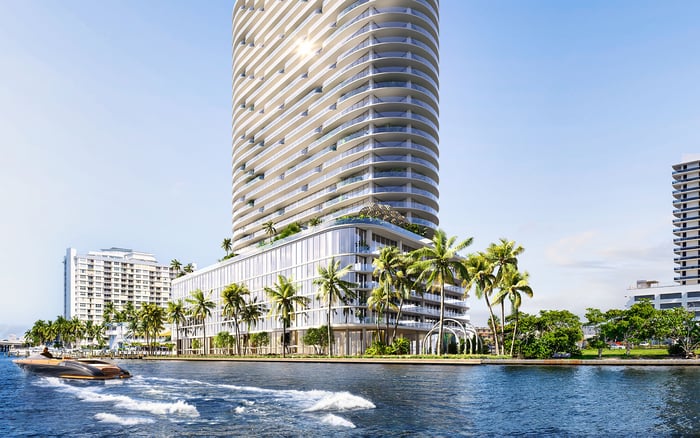
Presented as a pre-construction riverfront development in Downtown Miami, the project brings that vision to the Miami River. It is distinct from Faena’s established Miami Beach district and should be evaluated on its own plans, setting, and contractual commitments. The attraction is not simply an expressive interior, but the possibility of a home supported by a curated residential experience.
For buyers familiar with Faena House Miami Beach, that distinction matters. Brand familiarity is a starting point-not a basis for assuming identical specifications, services, beach privileges, or ownership arrangements.
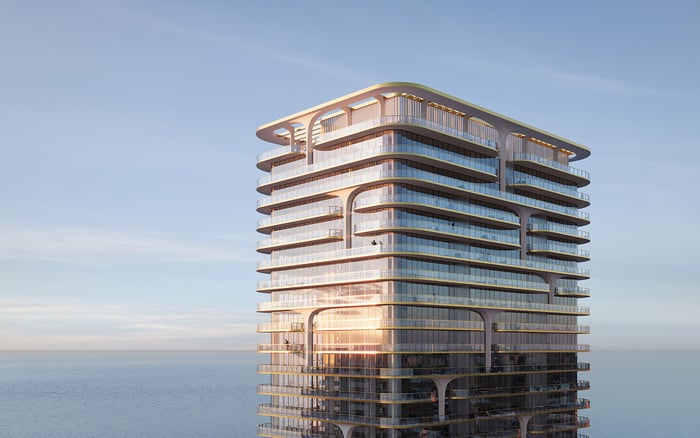
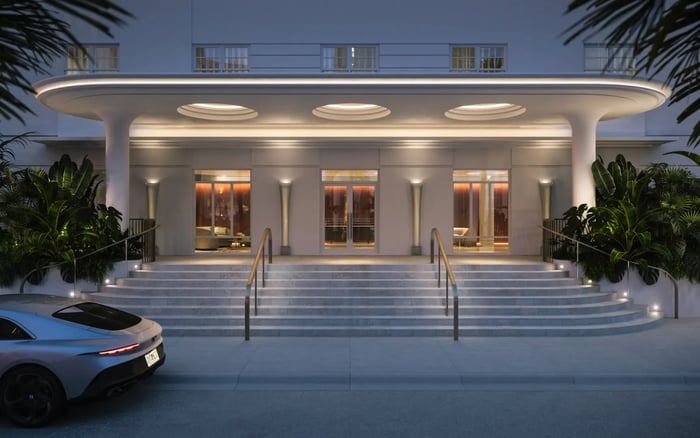
The architecture is by Rafael Viñoly Architects, with residential interiors by Bryan O’Sullivan Studio. The advertised approach pairs Faena’s aesthetic with warm finishes and expansive layouts. Proposed features include floor-to-ceiling glass, custom millwork, natural stone, expansive terraces, and Italian kitchens by B&B Italia.
These elements warrant close inspection; they do not, on their own, establish a complete design solution. Review the finish schedule, kitchen specifications, material samples, and plans attached to the purchase agreement. Establish which details are standard, which are optional, and where substitutions are permitted. A rendering communicates atmosphere; the documents define the purchase.
Then test the layout against actual furniture and daily routines. Consider wall space for art, circulation around a dining table, bedroom privacy, storage, and whether terrace access interrupts the most useful seating arrangement. Expansive glass can be compelling, but orientation and shading deserve equal attention.
Buyers also considering Casa Bella by B&B Italia Downtown Miami can use the comparison to sharpen questions about materials, spatial planning, and personal taste. A shared design reference does not necessarily produce equivalent homes.
Advertised residence categories include River Lofts, Sky Villas, and penthouses. The names suggest different residential experiences, but a meaningful comparison begins with the individual floor plan. Confirm interior and terrace dimensions, ceiling conditions, bedroom separation, and the relationship between entertaining spaces and private rooms.
Potential views include Biscayne Bay, the Miami River, and the city skyline. That does not establish that every residence enjoys all three. Request a unit-specific orientation and view study identifying the floor, direction, nearby structures, and any assumptions about future surroundings.
Visit the setting at different times if possible. Assess daylight, evening activity, and your comfort with an urban riverfront environment. For a primary residence, daily convenience may outweigh a dramatic arrival. For a second home, ease of departure and the scope of available residential support may matter more. Neither preference should be decided by a category name alone.
The homes are promoted as fully serviced residences with hospitality and cultural curation, rather than solely as conventional condominiums. That distinction is central to the concept, but its value depends on what owners can access and how those services are funded.
Request a written service schedule distinguishing assessment-funded provisions from separately charged offerings. Clarify staffing, availability, reservation requirements, guest access, and any limits on cultural programming or wellness services. The question is not simply whether a service exists, but whether it will work when and how you expect to use it.
If Aston Martin Residences Downtown Miami is also on your shortlist, apply the same questions to both purchases. Compare documented commitments rather than brand associations. A memorable identity can inform a decision, but it should not substitute for understanding the operating budget and ownership obligations.
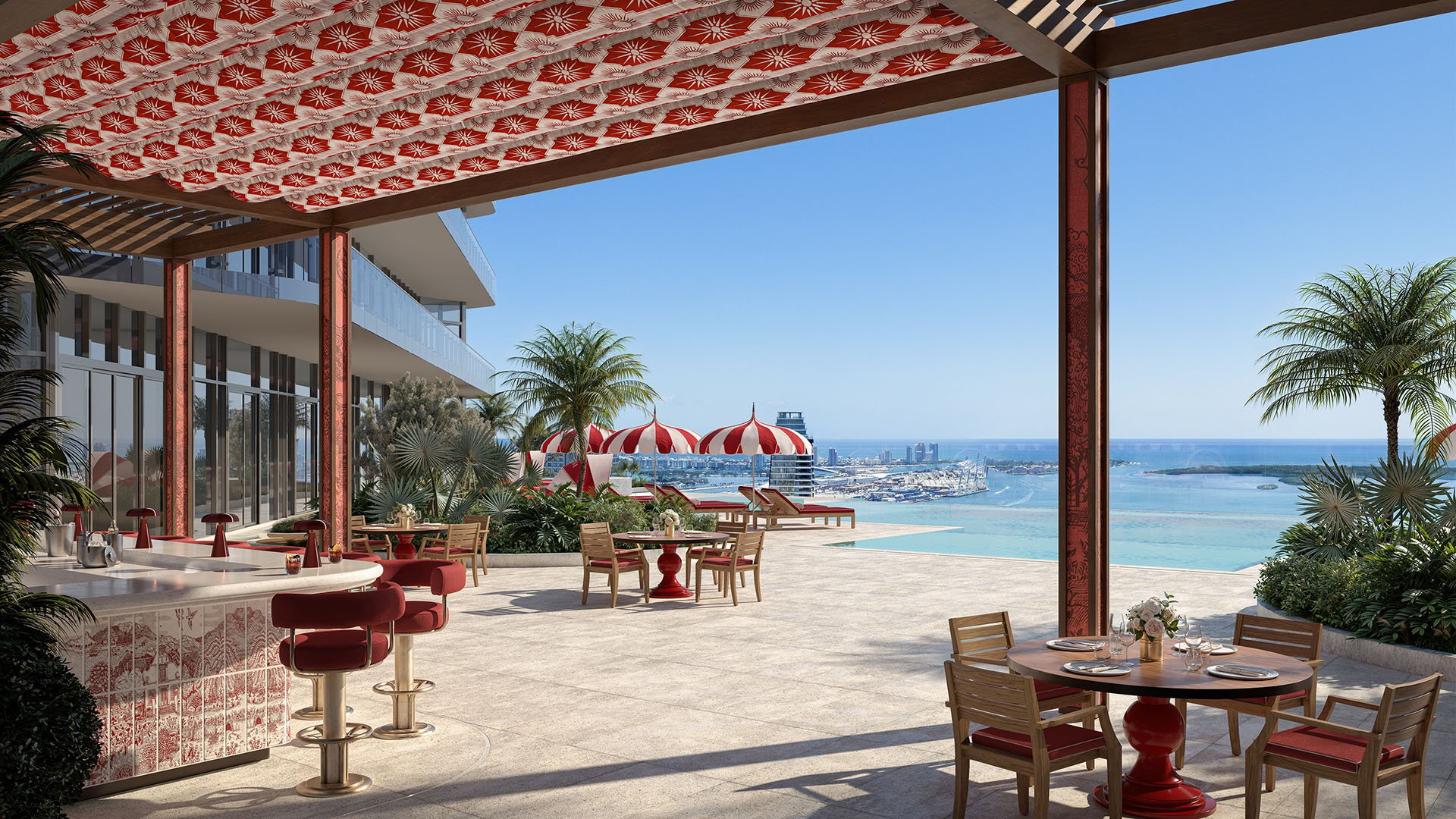
The proposed amenity program spans approximately 50,000 square feet, subject to confirmation in current offering documents. Advertised wellness features include floating meditation rooms, a sauna penthouse, red-light therapy, cold plunges, and on-site personal trainers. Other proposed spaces include fitness facilities, a spa, pool terraces, theaters, wine rooms, and private social areas.
The most useful test is personal relevance. An owner who trains daily may care more about equipment, staffing, and booking access than total amenity area. Someone who entertains frequently should examine room capacity, reservation policies, guest rules, and private-event charges. Ask which facilities are resident-only and whether any are shared with other users.
Proposed amenities and services may change before completion. Use illustrations and descriptions to frame questions, then establish what the purchase documents commit to delivering. A smaller set of facilities used regularly can be more meaningful than an extensive program that rarely enters your routine.
The Miami River setting is part of the project’s appeal, but waterfront ownership also calls for practical review. Request information on flood exposure, insurance assumptions, emergency systems, and building resilience. Have qualified advisers assess how those matters are reflected in the proposed operating budget and your individual coverage needs.
A marina appears among the proposed amenities in some descriptions. Do not interpret that as a deeded slip, guaranteed berth, or unrestricted boating access. Confirm whether access rights exist for the residence under consideration, how availability would be allocated, and what separate agreements or charges would apply.
View corridors merit the same discipline. Distinguish the outlook illustrated today from any protection documented for the future. Neither a water view nor a marina reference should carry a premium in your decision without a clear understanding of what is being purchased.
Advertised starting prices and residence counts differ, so neither provides a dependable basis for a purchase decision. Obtain the current developer price sheet and confirm availability for the exact residence. Evaluate total acquisition cost alongside assessments, insurance, taxes, and separately charged services, using professional estimates where appropriate.
Before signing, request the condominium documents, proposed operating budget, deposit schedule, escrow terms, and construction schedule. Review completion provisions, permitted changes, and rental restrictions with counsel. Do not build an ownership strategy around an assumed delivery date or rental policy.
Faena’s design-led proposition will be most compelling for buyers who value its cultural identity and proposed hospitality framework as much as the private residence. A disciplined purchase aligns atmosphere, floor plan, service commitments, and financial obligations with the same way of living.
For a discreet conversation about your residential priorities, connect with MILLION.
If branded residences are on your mind — as a home or as an allocation — we would be glad to share what we are seeing, privately.
Begin a quiet conversationIt is marketed as a pre-construction riverfront development in Downtown Miami on the Miami River, distinct from Faena’s established Miami Beach district.
Rafael Viñoly Architects is credited with the architecture, and Bryan O’Sullivan Studio is credited with the residential interiors.
Advertised categories include River Lofts, Sky Villas, and penthouses. Buyers should review the specific floor plan rather than rely on the category name.
Advertised features include expansive terraces, floor-to-ceiling glass, custom millwork, natural stone, and Italian kitchens by B&B Italia. Confirm specifications and substitution provisions in the purchase documents.
Marketing emphasizes bay, river, and skyline views, but does not establish every residence’s exposure. Request a unit-specific orientation and view study.
The proposed program includes floating meditation rooms, a sauna penthouse, red-light therapy, cold plunges, and personal trainers. Delivery, access, and charges require confirmation.
That should not be assumed. Request a written breakdown of assessment-funded services and separately charged offerings.
Advertised starting prices differ and do not establish a dependable current entry price. Obtain the current developer price sheet for the residence under consideration.
A marina appears among proposed amenities, but that does not establish berth rights for an individual residence. Confirm availability, access arrangements, and separate charges in writing.
Request the condominium documents, proposed operating budget, current pricing, deposit and escrow terms, and construction schedule. Review service commitments, change provisions, and rental restrictions with counsel.