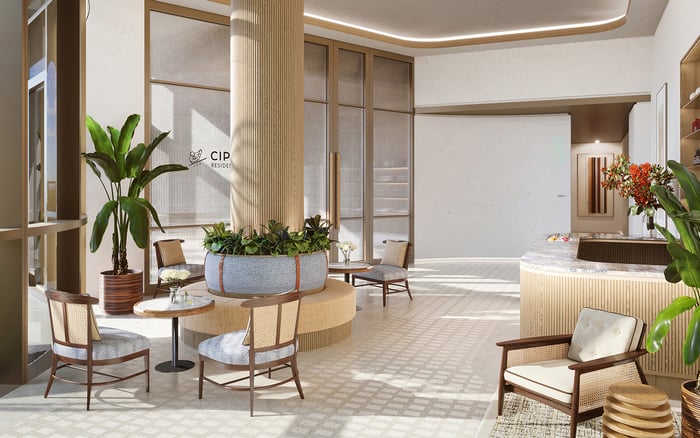
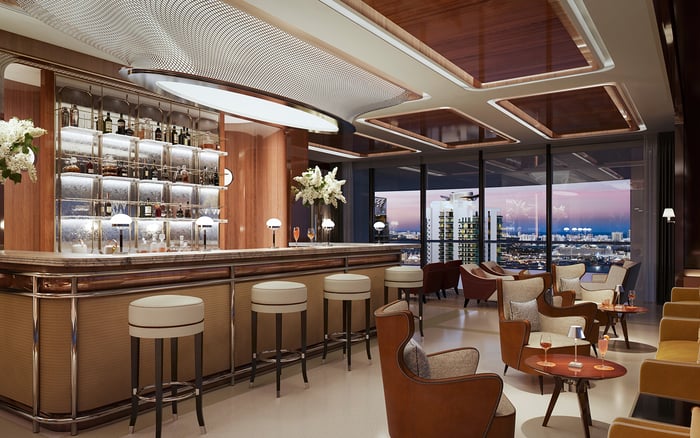
Cipriani’s planned Brickell residences put private dining, in-home catering, and resident service at the center of daily life. The long-term proposition depends on how those privileges translate into usable spaces, clear access rules, and sustainable ownership costs.
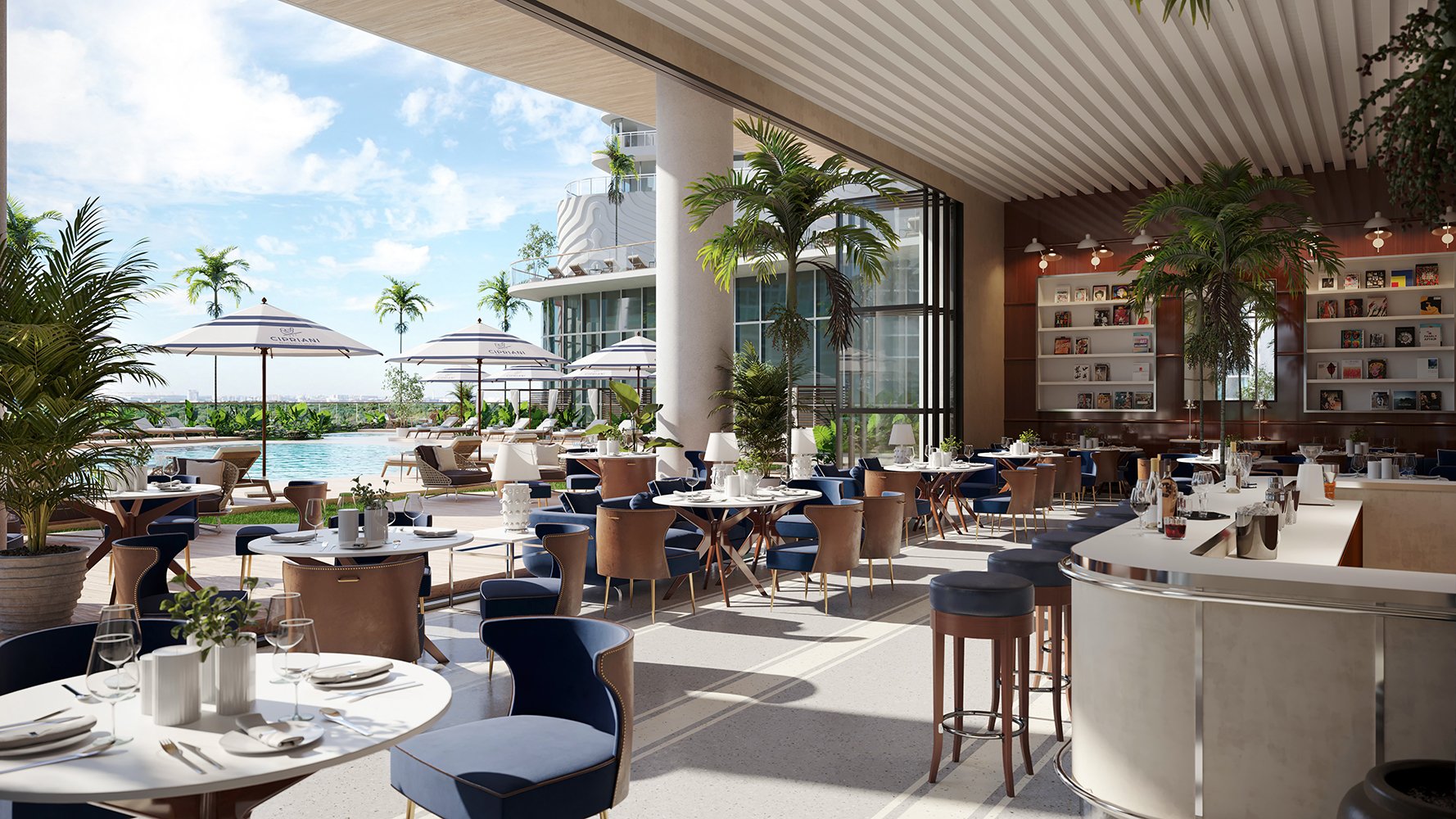
The strongest argument for Cipriani Residences Brickell is not simply the name above the entrance. It is the possibility of making hospitality part of an everyday residential routine: dinner without leaving the building, an evening with guests outside the apartment, or a meal served at home without arranging an outside caterer. For buyers who value discretion and time, those conveniences deserve closer attention than the branding alone.
Planned at the entrance to Brickell, the condominium places resident dining, catering, and private social spaces at the center of its offering. The architectural program encompasses 397 residences, ranging from one to four bedrooms, with penthouses above. At that scale, the distinction between an appealing amenity concept and dependable daily service becomes especially important.
The long-term question is straightforward: will the hospitality offering make the home easier to live in, at a cost and with access arrangements that suit the owner?
A private Cipriani restaurant exclusive to residents is planned as a core amenity. The advertised offering also includes in-home dining, 24-hour catering, reservable private dining rooms, and poolside service. These are distinct privileges. Buyers should evaluate each on its own terms rather than treating them as a single restaurant benefit.
The resident restaurant could accommodate a spontaneous evening, while a private dining room offers a setting for an occasion that would otherwise require hosting inside the residence. In-home dining serves a different preference: enjoying service in the privacy of one's own rooms. Together, they suggest a home where entertaining need not always begin with shopping, preparation, and cleanup.
Availability, however, matters as much as variety. Buyers should ask how reservations will work, whether minimum spending applies, how guests are accommodated, and which services carry separate charges. A promise of 24-hour catering does not confirm that every dining venue will operate around the clock.
The right measure is not how impressive the dining program sounds, but how often an owner would comfortably use it.
The planned service model includes 24-hour Cipriani-trained staff. That supports the hospitality proposition, but staffing language alone does not establish the scope of assistance, expected response times, or long-term obligations behind the brand relationship.
Buyers should distinguish among services included in condominium assessments, services available for an additional fee, and amenities subject to reservations or operating rules. Those distinctions shape ownership more directly than a broad promise of attentive service.
For a buyer also considering ORA by Casa Tua Brickell, the useful comparison begins with a consistent set of questions: what is contractually committed, what is optional, and what will it cost to use regularly? Placing two projects on the same shortlist does not imply equivalent service.
At Cipriani, buyers should request the governing documents and hospitality agreements available for review. The objective is to understand how the advertised experience connects to enforceable commitments and the condominium's operating budget.
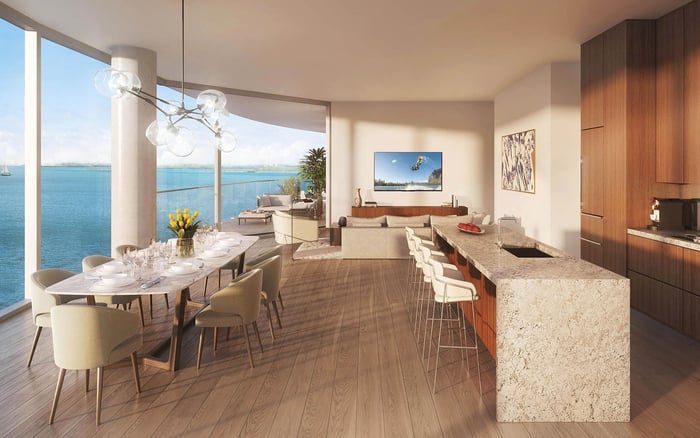
Long-term livability begins inside the residence. Homes are marketed with 10-foot ceilings, floor-to-ceiling glass, and terraces, with terrace access from both the living room and primary bedroom in every residence. Direct elevator entry is advertised for select homes, not the entire collection.
Those distinctions warrant a close review of each floor plan. A terrace accessible from two principal rooms offers more than one way to use outdoor space, but buyers should still examine its dimensions, furnishing possibilities, and relationship to interior circulation. Ceiling height and glazing contribute to the sense of space; neither replaces a layout that works for the household.
The kitchens are described as open, eat-in spaces with custom Italian cabinetry and Wolf/Sub-Zero appliances. Their significance is practical: a dining-led residence should still function comfortably when the owner chooses to cook. Hospitality should expand the options available at home, not substitute for a usable kitchen.
Primary bedrooms are advertised with walk-in wardrobes, and primary bathrooms with freestanding tubs and glass-enclosed showers. For extended stays or year-round occupancy, storage and room configuration merit the same scrutiny as finishes.
The advertised amenity program spans more than 50,000 square feet of pools, dining, wellness, and social spaces. The planned elevated resort deck includes two swimming pools, cabanas, and a landscaped sun terrace. Poolside service connects this setting to the broader dining concept.
A fitness center and holistic spa with sauna and treatment rooms extend the offering beyond entertaining. Additional advertised amenities include a screening room, library, golf simulator, pickleball court, private salon, and children's playroom. That range gives different households several reasons to use shared spaces without making dining the sole attraction.
Prospective owners should identify which facilities would become weekly habits. A long amenity list does not automatically translate into personal value. Ask about operating hours, booking requirements, guest policies, and separate charges before imagining those spaces as part of the household routine.
Pet infrastructure, storage, and electric-vehicle charging are also part of the advertised offering. These provisions may draw less attention than a private restaurant, yet they address recurring needs that become more important over years of ownership.
Buyers should establish what storage is available to their particular residence, how charging access is allocated, and which pet facilities and rules apply. Advertised availability is not the same as an unrestricted entitlement for every owner.
When weighing Cipriani against another Brickell option such as The Residences at 1428 Brickell, apply the same household checklist. Compare the actual home, recurring obligations, and practical access to amenities rather than the relative length of each project's feature list.
Before purchasing, review the proposed condominium budget, recurring assessments, dining costs, and service inclusions with the appropriate advisers. Ask how hospitality expenses are allocated and which arrangements can change. Confirm restaurant access rules and the contractual basis for the planned services.
Amenities and specifications remain planned or advertised; they are not established here as operational. Buyers should confirm the current offering and applicable documents before relying on any feature in a purchase decision.
Cipriani's strongest proposition is the integration of a private home with dining, wellness, and assistance close at hand. Its lasting value to an owner will depend on how well that service model fits everyday life, not on the frequency of special occasions.
Explore a more considered approach to Brickell ownership with MILLION.
If branded residences are on your mind — as a home or as an allocation — we would be glad to share what we are seeing, privately.
Begin a quiet conversationThe planned condominium combines private residences with resident dining, in-home catering, wellness amenities, and hospitality services. Its appeal centers on bringing those conveniences into everyday residential life.
The tower is planned to accommodate 397 residences, ranging from one to four bedrooms, with penthouses above.
Yes. A private Cipriani restaurant exclusive to residents is advertised as a core amenity, with access rules and operating details to be confirmed.
Yes. The advertised hospitality program includes in-home dining and 24-hour catering by Cipriani, subject to confirmation of terms and charges.
Reservable private dining rooms are planned. Buyers should verify booking procedures, guest policies, and any minimum spending requirements.
The elevated resort deck is planned to include two swimming pools, cabanas, and a landscaped sun terrace. Poolside service is also advertised.
Marketing materials specify terraces with access from both the living room and primary bedroom in every residence. Direct elevator entry is advertised only for select homes.
Kitchens are described as open, eat-in layouts with custom Italian cabinetry and Wolf/Sub-Zero appliances. Buyers should confirm the specifications applicable to their chosen home.
Review the condominium budget, recurring assessments, dining charges, service inclusions, and hospitality commitments. Clarify which services are included and which are separately charged.
The amenities and services discussed are planned or advertised, not established here as operational. Buyers should confirm the current offering and contractual documents before purchasing.