A Waldorf Astoria residence in Downtown Miami can complement a separate beach home when each address has a distinct purpose. The buying decision turns on recurring city use, contractual services, residence selection and the full cost of maintaining two homes.
The strongest reason to own both a Downtown Miami residence and a separate beach home is not to duplicate a lifestyle. It is to give each address a distinct role. The city residence supports concentrated urban stays: business commitments, dinners and cultural evenings. The beach home accommodates recreation, visiting family and longer periods of occupancy.
For that buyer, Waldorf Astoria Residences Downtown Miami offers a specific proposition: a planned private residence within a hotel-and-residential development on Biscayne Boulevard, with hospitality services marketed as part of the experience. Measure its appeal against your calendar, not simply a skyline preference.
Start with your recent South Florida visits. How often would a mainland overnight have improved the experience? Which commitments actually required a city address? If almost every day still revolves around the shore, a second residence may add more administration than convenience.
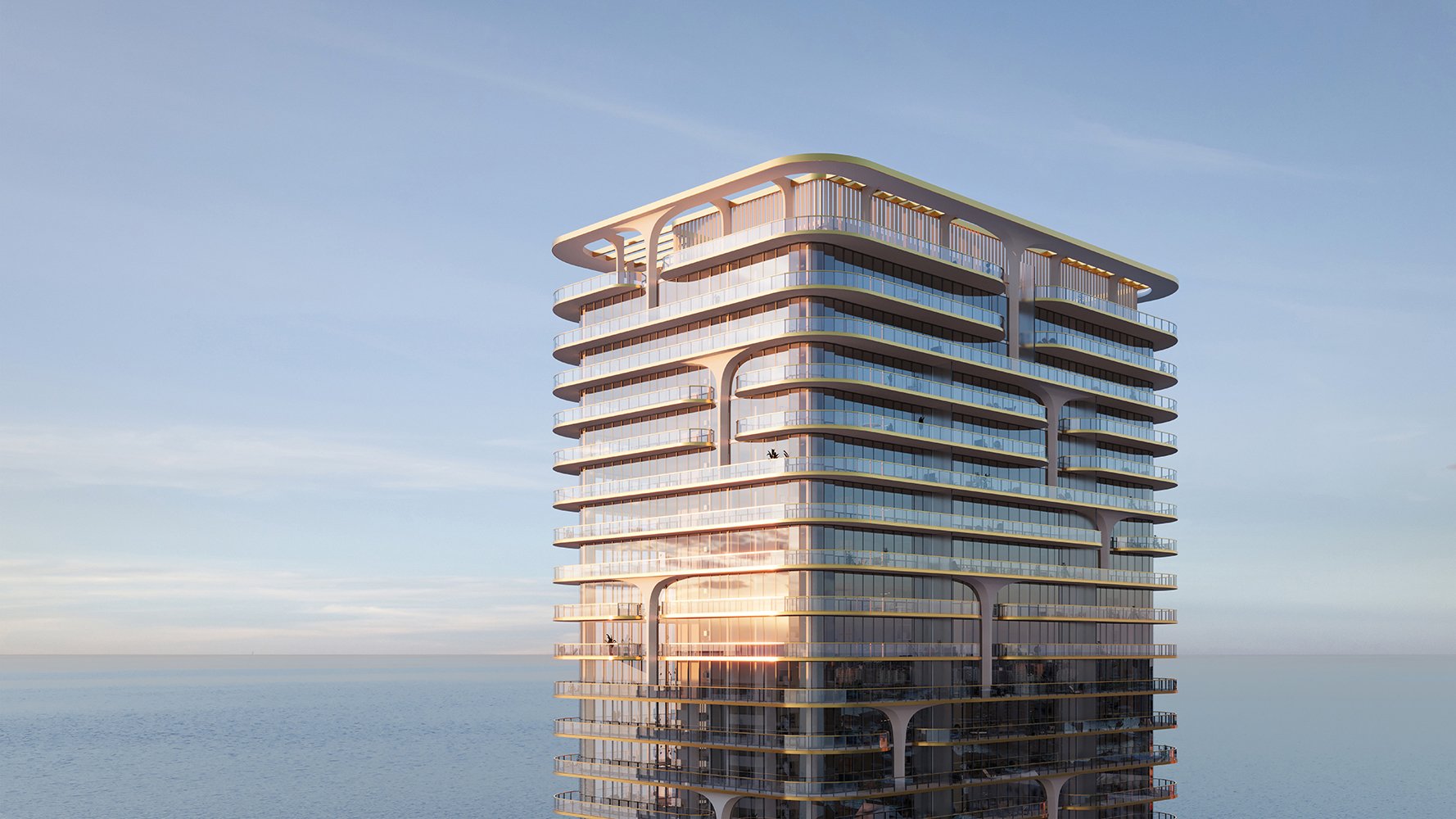
The tower is planned at 1,049 feet across 100 stories, with PMG and Greybrook Realty Partners as developers and Sieger Suarez Architects and Carlos Ott responsible for the architecture. The residential component is planned alongside a 205-room Waldorf Astoria hotel.
That scale establishes the setting, not the experience of an individual owner. Focus on the residential arrival sequence, privacy, elevator arrangements and separation between hotel guests and residents. Verify these details in plans and governing documents rather than infer them from the brand.
The residence count remains inconsistent, with figures of 360 and 387 circulating. Confirm the offering's current configuration before using density as a comparison point. The more useful question is how shared facilities and residential operations will function for your particular home.
The planned residential selection includes junior suites, one- through four-bedroom homes, Sky Collection residences, full-floor residences and penthouses. Sizes range from approximately 516 to more than 6,200 square feet, depending on category. That breadth calls for discipline: the largest available home is not necessarily the best complement to an existing property.
If the beach home already accommodates extended family stays, the city address may need an excellent primary suite, comfortable living space and somewhere to work privately. A buyer who regularly hosts overnight guests Downtown may reach a different conclusion. Choose for the recurring stay, not the exceptional holiday gathering.
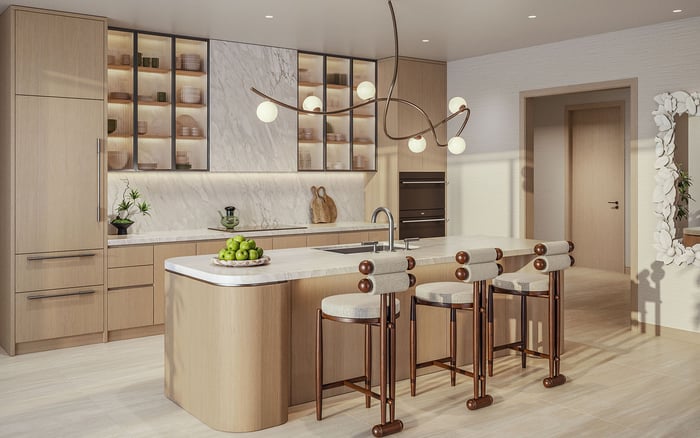
BAMO is associated with the interiors, and residences are marketed as fully finished. That does not mean fully furnished. Studios are marketed as furnished, while larger homes generally require furnishing; confirm the specification for the exact residence. Include window treatments, household equipment and installation coordination in the readiness discussion.
Expansive glazing and views toward Downtown, Miami Beach, Biscayne Bay and the Atlantic are marketed, depending on orientation. Evaluate the actual floor plan and exposure rather than assuming every residence delivers every outlook.
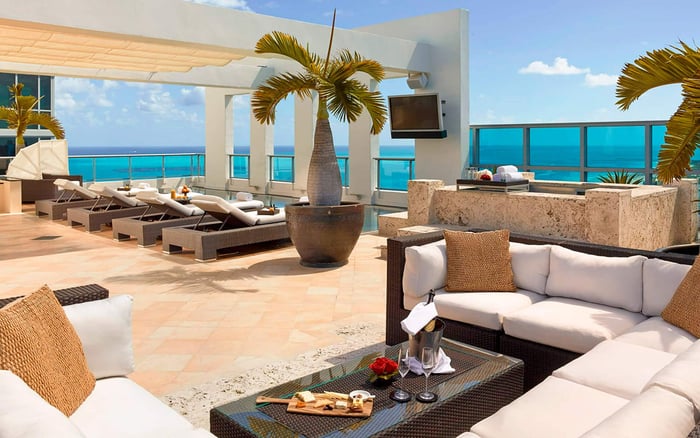
Concierge support and valet parking are among the marketed services. Planned amenities include a resort-style pool deck, private cabanas, an outdoor café, a spa and a fitness center. Dining and gathering facilities include restaurants, bar or wine-tasting spaces, event facilities and boardrooms.
For an intermittently occupied city home, practical support may matter more than the length of the amenity list. Ask what staff can arrange before arrival, which services require separate providers and how an owner authorizes access while away. Do not assume housekeeping, home checks or arrival preparation are included.
Request a written distinction between residential entitlements and hotel offerings. Establish hours, reservations, fees, guest privileges and any limits on resident access. A hospitality promise becomes useful when availability, responsibility and cost are clear.
The same questions can guide a comparison with Aston Martin Residences Downtown Miami: evaluate each property's documents and service arrangements independently rather than assuming branded ownership means an identical operating model.
The beach property should earn its place on different criteria: how you spend longer stays, accommodate guests and enjoy recreation. Its value within this arrangement is experiential, not a presumed financial offset to the Downtown purchase.
If The Perigon Miami Beach is on the coastal shortlist, keep that evaluation distinct from the city search. First define the beach home's role, then determine what the Downtown residence must add. Otherwise, the two purchases can duplicate bedrooms, entertaining space and upkeep without improving the way you live.
Test the connection between the two addresses against your own travel patterns. Do not build the decision around an assumed beach-transfer time or effortless access to every mainland destination. Consider whether changing homes during a visit is genuinely attractive or whether each property will serve separate trips.
There is no established all-in annual ownership figure here. Build a property-specific budget covering assessments, shared-hotel allocations, insurance, reserves, taxes, parking, housekeeping and furnishing. Clarify which expenses are included, separately billed, optional or subject to change.
Then combine that figure with the beach home's costs. Two properties require two sets of oversight, even when neither is occupied. Identify who handles maintenance access, deliveries, service appointments and unexpected issues at each address.
Request current availability and a dated, unit-specific price proposal rather than treating isolated asking prices as the development's price schedule. Judge the premium against actual use and service value. This is a lifestyle allocation, not an established investment thesis, and it should not depend on assumed appreciation or rental income.
The current completion target is 2028, with the second quarter identified in some projections. Earlier projections anticipated 2026. Treat the revised timing as a projection, not a guaranteed closing date or move-in commitment.
Have counsel review completion extensions, escrow terms, closing windows and delay remedies, together with the legal separation of hotel and residential operations. Understand what happens if your preferred occupancy date changes or the beach home's own timetable shifts.
This pairing is strongest when the Downtown home removes a recurring inconvenience and the beach home remains the setting for longer leisure stays. Select only the space you will use, confirm the services you expect and budget for both addresses without optimistic assumptions. The result should be a more deliberate way to live in South Florida, not simply another property to manage.
Explore a two-home strategy tailored to your South Florida routine with MILLION.
If branded residences are on your mind — as a home or as an allocation — we would be glad to share what we are seeing, privately.
Begin a quiet conversationA buyer with recurring mainland business, dining or cultural commitments may benefit most. The city residence should serve a distinct purpose rather than duplicate the beach home.
The hotel-and-residential development is on Biscayne Boulevard in Downtown Miami.
The tower is planned to rise 1,049 feet across 100 stories.
The completion target is 2028, with the second quarter identified in some projections. This is a projection, not a guaranteed closing or occupancy date.
The program includes junior suites, one- through four-bedroom homes, Sky Collection residences, full-floor residences and penthouses. The appropriate choice depends on how the city home will be used.
Residences are marketed as fully finished, with studios marketed as furnished. Larger homes generally require furnishing, so confirm the delivery specification for the selected unit.
Concierge support and valet parking are marketed. Buyers should verify contractual availability, fees and the distinction between residential services and hotel offerings.
Plans include a pool deck, private cabanas, an outdoor café, a spa and a fitness center. Dining, gathering and business facilities are also marketed, with resident access requiring confirmation.
Combine both properties' costs, including assessments, insurance, taxes, reserves, parking, housekeeping and furnishing where applicable. Confirm shared-hotel allocations and which services are billed separately.
Review completion extensions, escrow provisions, closing windows, delay remedies and the separation of hotel and residential operations. Residential service entitlements and shared costs also warrant scrutiny.