For Miami Beach hotel guests considering ownership at Shore Club Private Collections, the essential questions shift from room preferences to residential access, privacy, shared costs and delivery terms.

A favorite Miami Beach hotel can make ownership feel like a natural next step. The setting is familiar, the service philosophy appeals, and returning to a private home has an obvious attraction. Yet familiarity with hospitality is not the same as understanding the rights and obligations attached to a residence.
At Shore Club Private Collections Miami Beach, that distinction matters. The planned three-acre oceanfront development on Collins Avenue combines a hotel and private residences with restoration of the historic Shore Club and Cromwell properties. It is not simply a hotel offering larger accommodations.
The expanded checklist is for guests considering a purchase, not travelers making an ordinary reservation. A hotel booking remains a hospitality decision. Ownership requires a separate examination of documents, costs, access and long-term responsibilities.
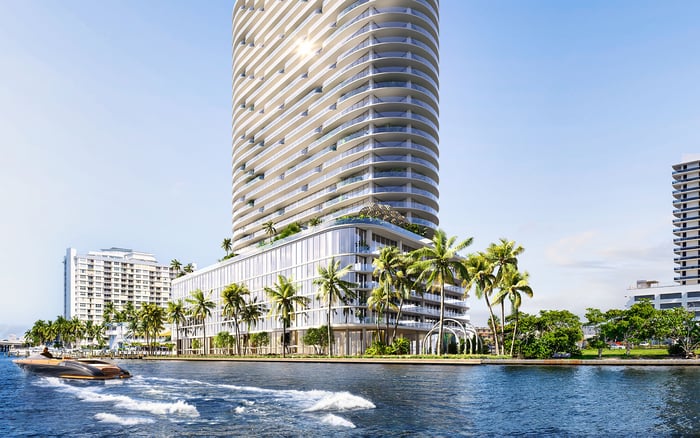
The plans call for 73 hotel rooms and suites, including a penthouse, alongside 49 private residences. A new 18-story residential tower is designed by Robert A. M. Stern Architects. The historic Cromwell Hotel is being transformed into a private residential entrance and lobby for that tower.
These components raise distinct questions. Which building contains the home? Which facilities belong to the residential offering? Which experiences depend on hotel access? Buyers should request documents that distinguish the residence itself, dedicated residential amenities and shared resort facilities.
The same discipline applies when considering Setai Residences Miami Beach alongside Shore Club: evaluate each property's actual ownership terms rather than assuming a familiar hospitality name guarantees equivalent privileges. A comparison should begin with documents, not impressions from a stay.
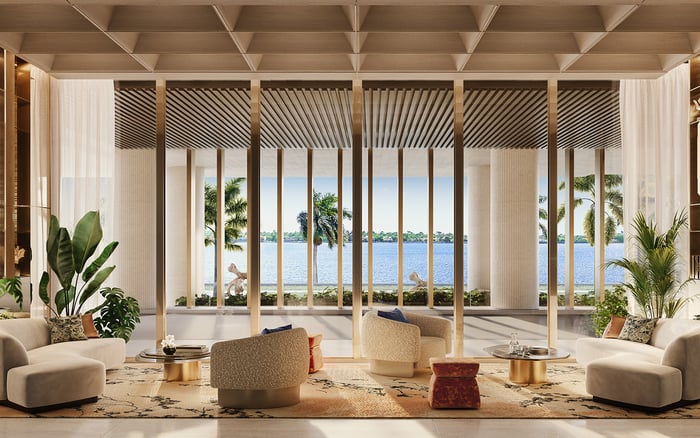
Planned owner access includes hotel dining, with a signature restaurant, café and bar, as well as the resort's spa, fitness facilities, landscaped gardens and beach service. Dedicated residential amenities are planned to include a residents-only pool, private fitness center, library and lounge.
Plans call for three swimming pools across the property, including the residents-only pool. That distinction should remain explicit. Three pools across a development do not, by themselves, establish identical access for owners, hotel guests, renters and visiting family.
Ask for written rules covering each group. Clarify reservations, capacity limits, event closures and any priority privileges. Establish whether access includes use without an additional charge, requires a separate reservation or involves optional paid services. Amenity descriptions alone do not establish these terms.
For someone anticipating frequent family visits, the practical question is simple: will the intended household and its guests be able to use the spaces that make ownership appealing, under conditions they understand?
The planned private entrance through the Cromwell is meaningful, but it does not establish that every circulation route will be separate. Privacy should be evaluated as a sequence of movements, from arrival to the front door, rather than as a single architectural feature.
Request clarification on elevator controls, visitor registration, valet arrangements and deliveries. Ask how residents reach shared dining, pools and beach service, and where those routes intersect with hotel activity. If discretion is a priority, review those arrangements for the actual residence under consideration.
This is not an argument against a hotel-connected home. It is a way to determine whether the planned separation supports the buyer's daily habits, including quiet arrivals, visiting family and periods away.
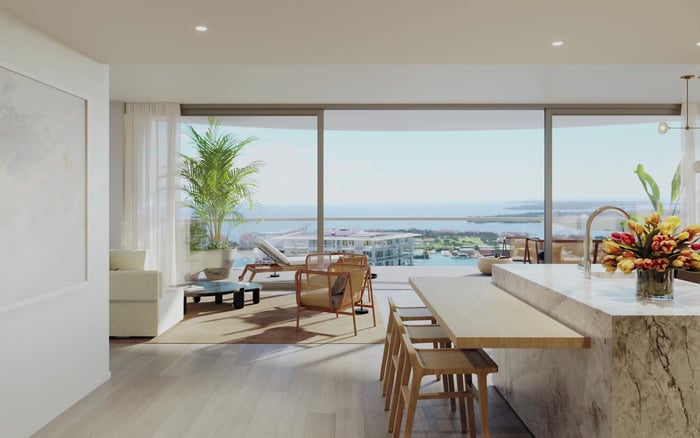
Residential plans emphasize distinct floor plans, large windows and ocean views. Those descriptions make unit-level diligence more important, not less. Buyers should examine the precise layout, window placement and expected outlook of the selected home rather than treating a representative image as a specification.
Plans also include an approximately 8,000-square-foot standalone beach house with a private entrance and pool. Its format should be considered separately from a tower residence; specifications and obligations should be confirmed for the particular property being purchased.
For buyers also considering The Perigon Miami Beach, a useful comparison starts with the individual home's layout and documented access arrangements. An oceanfront setting should not replace a close reading of how a residence will function.
Direct beach access is a planned Shore Club feature. It should not be interpreted as proof of legally exclusive shoreline access. Beachfront access, managed beach service and ownership of the shoreline are different propositions.
A hotel guest can evaluate a stay largely through the reservation and discretionary spending. A prospective owner needs a broader financial picture. Request purchase documents, projected assessments, reserve information, insurance allocations and obligations associated with shared amenities.
Ask which services are included and which are optional, how charges are allocated, and what rental restrictions apply. Do not assume that hotel operations create a right to rent a residence on hotel-like terms. Those permissions and costs require separate confirmation.
Historic restoration adds another question: which maintenance or restoration obligations, if any, fall to residential owners? The project pairs preservation with new construction, so it should not be assessed as an entirely new-build hotel. Any specific responsibility must be established in the governing documents rather than inferred from the architecture.
Planning timelines differ, with both 2027 and 2028 identified as planned opening years. Neither should be treated as a confirmed operating date. Prospective buyers and guests should resolve the discrepancy directly with the project team.
Buyers should also distinguish anticipated residential delivery from hotel opening and amenity availability. Ask whether those milestones are expected to coincide, what the purchase documents specify, and how changes would affect the intended use of the home. A target year is not a substitute for contractual terms.
The central appeal remains clear: a private-home format with dedicated residential amenities and access to a broader Auberge resort experience. The strongest buying decision preserves that appeal while testing its practical foundations. For a returning guest, the right question is not merely whether the hotel feels familiar, but whether the documented ownership experience fits the life being planned.
For a discreet perspective on your Miami Beach residential options, connect with MILLION.
If branded residences are on your mind — as a home or as an allocation — we would be glad to share what we are seeing, privately.
Begin a quiet conversationNo. The expanded checklist is for hotel guests considering a residential purchase, not travelers making an ordinary hotel reservation.
Plans call for 49 private residences and 73 hotel rooms and suites, including a hotel penthouse.
Robert A. M. Stern Architects designed the planned 18-story residential tower.
The Cromwell is being transformed into a private residential entrance and lobby for the new tower. That does not establish that every circulation route will be separate.
Dedicated residential amenities are planned to include a residents-only pool, private fitness center, library and lounge.
Owners are expected to have access to hotel dining, spa and fitness facilities, landscaped gardens and beach service. Access conditions and any additional charges should be confirmed in writing.
No. Direct beach access and managed beach service do not, by themselves, establish legally exclusive shoreline access.
Request projected assessments, reserve information, insurance allocations and shared-amenity obligations. Also confirm optional service charges and any restoration or maintenance responsibilities.
No. Rental permissions and restrictions need to be established through the applicable purchase and governing documents.
Planning references differ between 2027 and 2028, and neither is a confirmed operating date. Confirm current expectations directly and distinguish residential delivery from hotel opening and amenity availability.