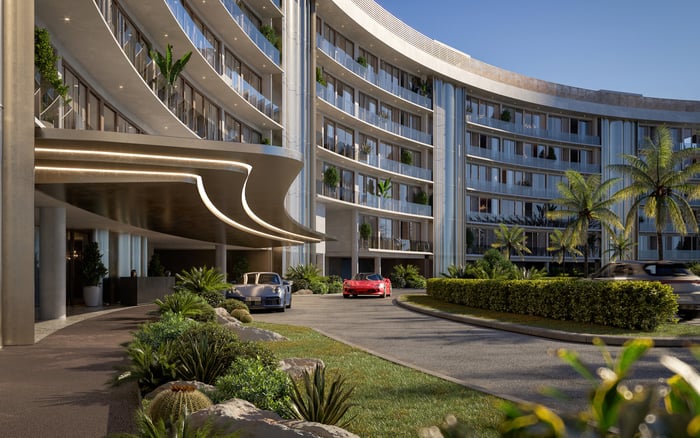
For a luxury condominium buyer, the master policy is only one layer of protection. A disciplined review aligns Vita at Grove Isle’s association insurance with unit-level HO-6 limits and loss-assessment coverage before closing.
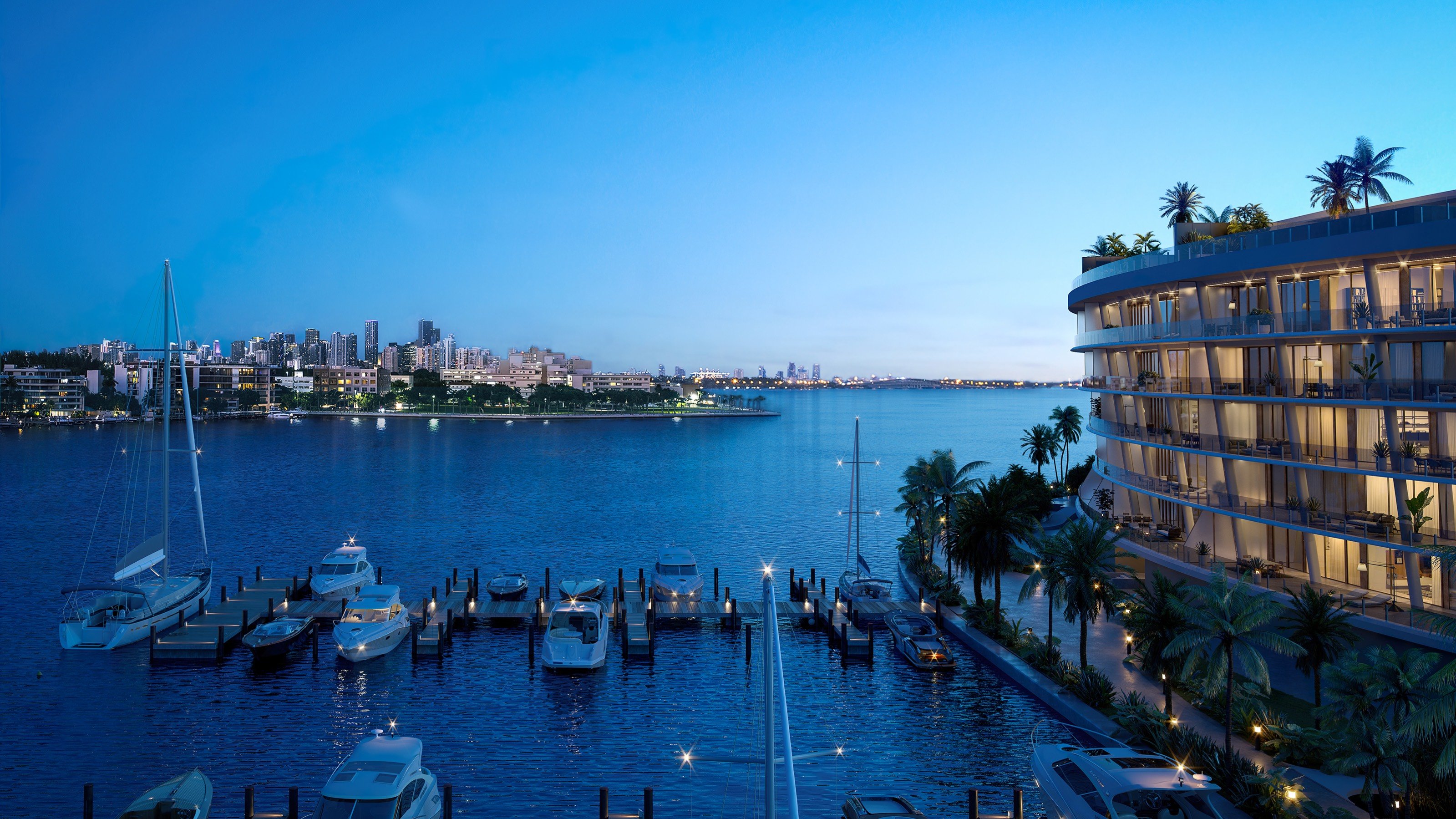
A buyer evaluating Vita at Grove Isle should not treat the condominium association’s master insurance policy as a complete answer to property risk. The master policy, the owner’s HO-6 policy and loss-assessment coverage address distinct financial exposures. Their value becomes clear only when their limits, deductibles, exclusions and definitions are read side by side.
This is especially important in luxury real estate, where the cost of restoring an interior can diverge sharply from a generic insurance estimate. Custom millwork, designer flooring, premium appliances and carefully specified finishes may fall outside the association’s responsibility. A buyer needs to know not simply whether the building is insured, but who pays for each component after a covered loss-and who absorbs the costs the master policy leaves behind.
The relevant question is not whether insurance exists, but whether its three layers align.
The same discipline belongs in any sophisticated Coconut Grove search, whether comparing Vita with Four Seasons Residences Coconut Grove or reviewing another condominium structure. Insurance is both a protection decision and an ownership-cost decision.
The association master policy may cover the building structure, roof, common elements and certain unit components, depending on the policy and condominium documents. It may not extend to an owner’s belongings, individual liability or additional living expenses.
Request the actual declarations page rather than relying on a certificate or summary. Review property limits, wind and hurricane deductibles, sublimits, exclusions, flood arrangements, liability limits, valuation or appraisal information and available claims history. Project-specific documents are essential for confirming Vita’s current carrier, limits, deductibles, exclusions and assessment practices.
Ask the association to identify precisely what it considers an originally installed component. The answer can determine whether a particular element falls to the building policy or the unit owner. The condominium documents should also explain how an insurance shortfall or deductible may be allocated among owners.
For waterfront ownership, wind and hurricane deductibles deserve particular scrutiny. These deductibles may leave meaningful per-unit exposure even when the association carries building insurance. An adviser can model the buyer’s potential share rather than allow the headline policy limit to create false comfort.
An HO-6 policy is designed to address important exposures outside the association’s policy, subject to its terms. Floor and wall coverings, cabinets, appliances, personal property and owner-installed improvements may fall to the unit owner. Eligible interior finishes, personal liability and temporary housing after a covered loss may also be handled through HO-6 coverage.
The dwelling limit should reflect the estimated cost of rebuilding the residence’s owner-insured interior-not its purchase price or a broad allowance borrowed from a conventional unit. A room-by-room schedule of finishes can help an insurance adviser estimate replacement costs for custom cabinetry, stone, flooring, lighting and premium appliances. Planned upgrades should be discussed with the adviser before work begins and reviewed after completion.
Additional-living-expense coverage also warrants attention. If a covered loss makes the residence uninhabitable, the owner should confirm whether and how the HO-6 policy addresses temporary housing. For a second-home purchaser, that provision should be evaluated in light of actual use, occupancy and policy conditions.
Buyers comparing Park Grove Coconut Grove or The Well Coconut Grove should apply the same component-level analysis. Project names and finishes change, but the underwriting question remains consistent: what would it cost to restore the owner-insured portion to today’s specifications?
Loss-assessment coverage may be added through an HO-6 endorsement. Depending on its terms, it may reimburse an owner’s share of an association assessment arising from a loss covered by the owner’s policy. Any protection remains subject to the form’s definitions, exclusions, deductibles, limits and sublimits.
It is not general protection against every special assessment. Reserve shortages, routine maintenance, cosmetic projects and other non-covered work may not qualify. This distinction is crucial for investment analysis because an association invoice is not, by itself, proof of an insured loss.
Buyers should not assume that a stated loss-assessment limit is adequate. The appropriate amount depends on the association’s insurance structure, the unit’s potential allocation and the wording of the owner’s policy.
Some HO-6 forms may impose a separate sublimit when an assessment is used to pay the association’s master-policy deductible. A high overall loss-assessment limit could therefore provide less protection for a deductible assessment. The specific form controls, so written confirmation from a qualified insurance adviser is important.
The prudent exercise is scenario-based. Identify the master-policy deductible for wind, hurricane and other relevant hazards, then determine how the condominium documents could allocate that amount to the unit. Repeat the calculation for a potential underinsurance shortfall and for repair work excluded by the master policy. These scenarios are not predictions; they reveal the amount of risk that could reach the owner.
Next, compare each modeled exposure with the HO-6 loss-assessment limit and any deductible-assessment sublimit. Confirm in writing whether the owner’s policy recognizes the relevant peril, whether the association’s deductible assessment qualifies and whether a lower sublimit applies. The least favorable mismatch should inform the coverage decision.
This framework turns insurance review into practical buyer guidance: master coverage defines the association layer, HO-6 addresses the residence and personal exposures, and the endorsement may address a qualifying shared shortfall. None should be priced or approved in isolation.
Before closing, obtain the master declarations, deductible schedule, flood arrangements, liability limits, valuation information and available claims history. Secure a clear allocation of unit components, review the condominium documents for the unit’s assessment allocation and ask an insurance adviser to reconcile those materials with a proposed HO-6 form.
Confirm dwelling replacement cost, personal-property needs, liability limits and additional-living-expense protection. Then test loss-assessment coverage against the modeled deductible share, underinsurance scenario and excluded-loss scenario. Keep written confirmation of any deductible-assessment sublimit.
After acquisition, repeat the review annually and whenever the association changes insurers, valuations, deductibles or material policy terms. Vita at Grove Isle may be considered a lifestyle acquisition, but disciplined insurance alignment is essential to preserving its financial character.
For discreet guidance on Vita at Grove Isle and other South Florida luxury residences, connect with MILLION.
If branded residences are on your mind — as a home or as an allocation — we would be glad to share what we are seeing, privately.
Begin a quiet conversationThe master policy, HO-6 policy and loss-assessment endorsement address different exposures. Reviewing them together can reveal gaps, overlaps and retained costs.
It may cover the building structure, common elements and certain unit components. The actual policy and condominium documents control.
Floor and wall coverings, cabinets, appliances, personal property and owner-installed improvements may fall to the unit owner. Coverage depends on the policy and condominium documents.
The limit should reflect the estimated cost to rebuild the owner-insured interior, including custom finishes and improvements.
It is an HO-6 endorsement that may reimburse an owner’s share of a qualifying association assessment arising from a covered loss.
No. Assessments for non-covered work, maintenance or reserve needs may not qualify.
The buyer should model potential deductible allocations and insurance shortfalls, then compare those exposures with the proposed limit.
Yes. Some forms may apply a lower sublimit to assessments used to pay the association’s master-policy deductible.
The owner should confirm whether the HO-6 policy covers additional living expenses after a covered loss and review all applicable conditions.
Request the master declarations, deductible schedule, flood arrangements, liability limits, valuation information, available claims history and condominium allocation documents.