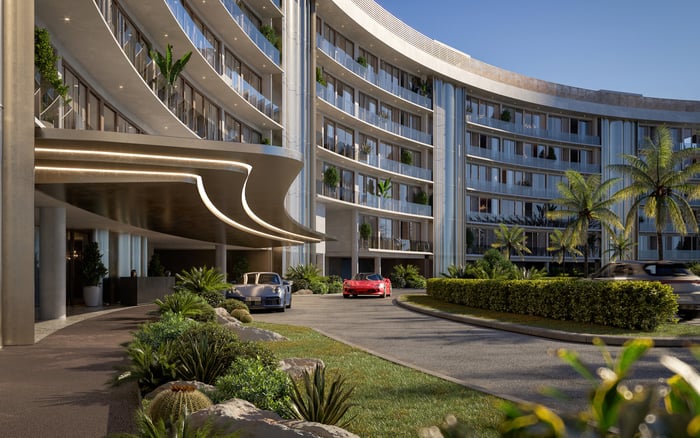
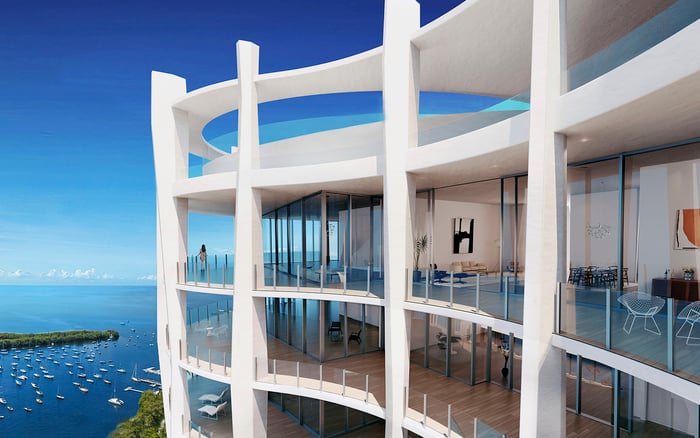
A collector-focused framework for assessing Coconut Grove waterfront residences through freight access, installation governance, and climate stability, with Vita at Grove Isle, Four Seasons Residences Coconut Grove, and Opus Coconut Grove as starting points for property-specific diligence.
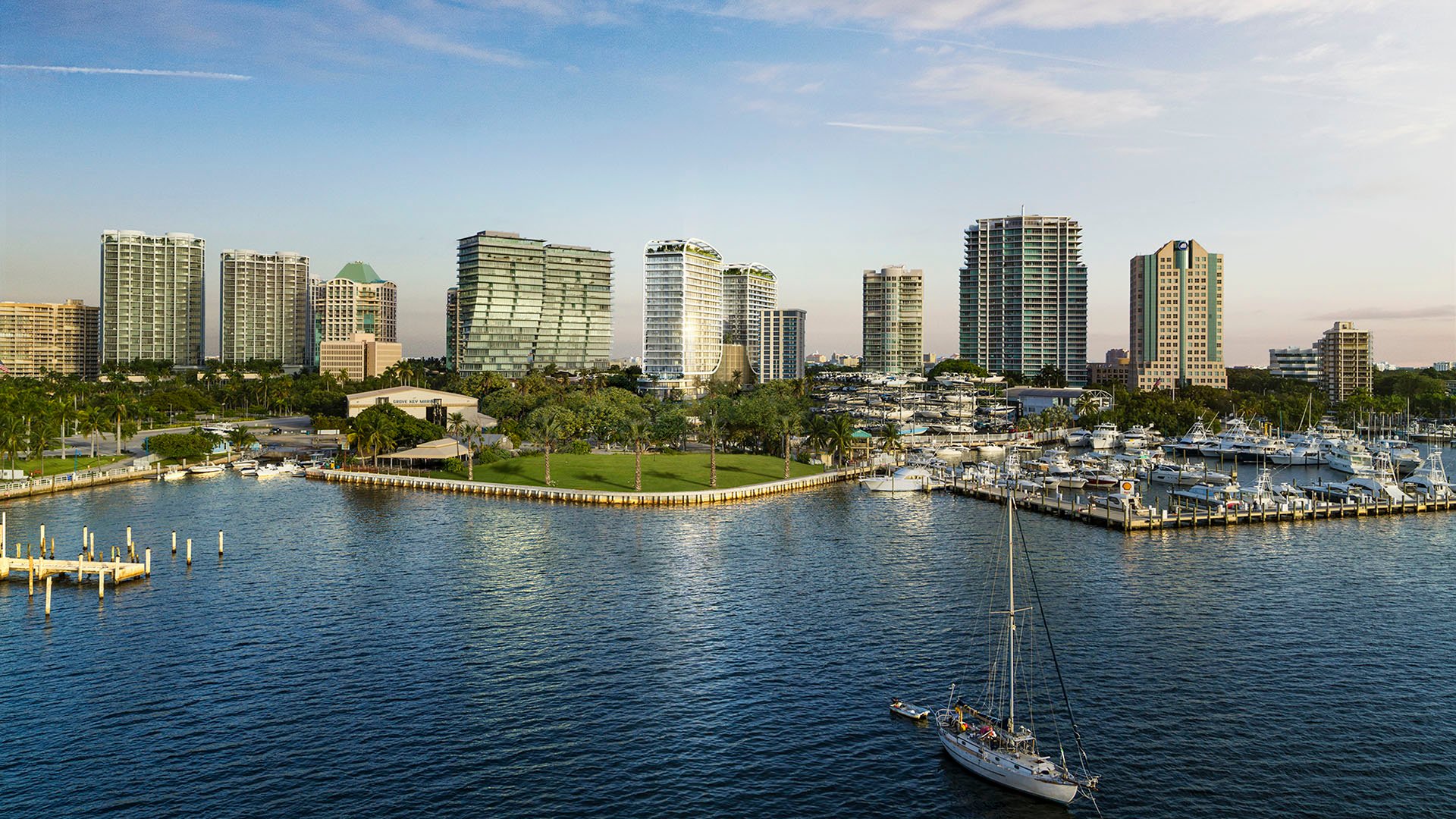
A serious art collection changes how a buyer should assess a Coconut Grove waterfront residence. Views, privacy, and interior design may shape the initial search, but operational details determine whether valuable works can be delivered, installed, and maintained appropriately.
The review should connect three separate questions. First, can the largest work move safely from the delivery vehicle to its intended room? Second, do the property’s current rules permit the required crew, equipment, scheduling, and installation method? Third, can the residence support the environmental conditions appropriate for the collection?
For collectors, true residential luxury includes a controlled path from arrival to installation.
Vita at Grove Isle is a logical starting point for a collector evaluating waterfront living in Coconut Grove. Buyers should treat it as a candidate for technical review rather than assume that its residential format will accommodate every artwork or installation plan.
Two additional Coconut Grove options for comparison are Four Seasons Residences Coconut Grove and Opus Coconut Grove. Their inclusion creates a practical shortlist, not a claim that the properties have equivalent freight systems, association procedures, or climate-resilience features.
The best residence will depend on the collection itself. A buyer with framed works may have different access requirements from one acquiring large sculpture, delicate mixed media, or pieces requiring specialized mounting. The comparison should therefore begin with the collection’s dimensions, weights, materials, and display needs.
The presence of an elevator does not establish that an oversized crate can reach a residence. A useful freight review follows the complete path from vehicle arrival through unloading, staging, building entry, corridors, elevators, thresholds, and the final room.
Measurements should include door clearances, elevator openings, cab dimensions, ceiling heights, corridor widths, corner geometry, and changes in level. The appropriate property representative should also confirm load limits, protective coverings, reservation procedures, approved delivery hours, and any restrictions affecting trucks or installation teams.
Testing the route against the collection’s largest current piece provides a more meaningful standard than relying on average dimensions. Buyers planning future acquisitions may want a conservative clearance envelope that allows for crates, padding, handling equipment, and crew movement.
Where the route appears constrained, an art installer and design professional can assess whether a different crate, removable frame, modular support, or revised sequence could work. Any proposed solution should remain subject to the property’s written requirements and necessary professional review.
Architecture is only part of an art-friendly residence. Building and association procedures may govern installer credentials, insurance documentation, deposits, working hours, elevator protection, crew access, noise, wall penetrations, rigging, and advance reservations.
Buyers should request the current governing materials and written answers for the installation they expect to undertake. Informal assurances should not replace documented approval, particularly when a work is heavy, unusually large, close to glazing, or dependent on specialized electrical or structural support.
The installation team should identify any need for engineering, lighting design, conservation input, or environmental monitoring before finalizing the interior plan. Early coordination can reveal conflicts between an artwork’s preferred location and the residence’s walls, systems, circulation, sunlight exposure, or servicing requirements.
A complete purchase file should also identify who reviews installation requests, which documents must accompany an application, and whether approvals expire or require resubmission. These process details can matter as much as physical access when coordinating a valuable delivery.
Waterfront buyers should evaluate climate stability through the residence’s systems and the needs of individual works. Relevant diligence may include HVAC operation, temperature and humidity monitoring, glazing and shading, emergency-power coverage, equipment location, water-intrusion planning, and post-event procedures.
Unit elevation alone should not be treated as a complete answer to flood or building-system risk. Buyers should request the property-specific flood documentation available to them and determine where essential mechanical and electrical equipment is located. Insurance advisers can then evaluate the residence and collection using the applicable records.
Environmental requirements vary by medium, so a general comfort setting may not be an appropriate preservation strategy. A conservator or climate specialist can help define monitoring locations, alert thresholds, backup procedures, and the response plan for an extended interruption.
Use the same written checklist for every Coconut Grove candidate. Record the delivery route, limiting dimensions, elevator rules, staging options, installation procedures, environmental systems, emergency-power scope, and available flood information. A consistent format makes material differences easier to identify.
Buyers should also distinguish between what is physically possible and what is currently permitted. A route may appear workable while association rules prevent the necessary timing or equipment. Conversely, a property may have a formal approval process that can accommodate a specialized plan after professional review.
The final assessment should reflect both present holdings and future collecting goals. A residence that suits smaller works today may become restrictive if the buyer expects to acquire monumental pieces, while a technically capable property may still require interior modifications or operating approvals.
No Coconut Grove residence should be labeled art-friendly solely because it is luxurious, waterfront, or architecturally distinctive. The strongest candidate is the one whose verified access, written installation procedures, and building systems align with the buyer’s actual collection.
Before a purchase deadline, the buyer’s advisers should assemble route measurements, applicable load limits, reservation requirements, installer conditions, proposed mounting methods, climate-control information, emergency procedures, and property-specific flood records. Remaining uncertainties should be stated clearly rather than resolved through assumptions.
For discreet guidance on Coconut Grove residences suited to collecting, consult MILLION.
If branded residences are on your mind — as a home or as an allocation — we would be glad to share what we are seeing, privately.
Begin a quiet conversationSuitability depends on verified delivery access, workable installation rules, and building systems aligned with the collection’s environmental needs.
Vita at Grove Isle, Four Seasons Residences Coconut Grove, and Opus Coconut Grove provide a focused starting shortlist for property-specific diligence.
No. Buyers must confirm the complete route, clearances, load limits, reservation procedures, and applicable installation rules.
Measure the path from vehicle arrival through unloading, staging, entries, corridors, elevators, thresholds, and the intended display room.
Review requirements concerning installer credentials, insurance, deposits, working hours, elevator protection, crew access, wall penetrations, rigging, and reservations.
Yes. Written requirements and approvals are more dependable than informal assurances for planning a valuable delivery.
The largest work exposes the route’s practical constraints and allows space to be considered for crates, padding, equipment, and handlers.
It should address HVAC operation, environmental monitoring, glazing, shading, emergency power, equipment location, and interruption procedures.
No. Buyers should review property-specific documentation and the locations of essential building equipment.
Depending on the collection, the team may include an art adviser, installer, architect, engineer, conservator, climate specialist, and insurance adviser.