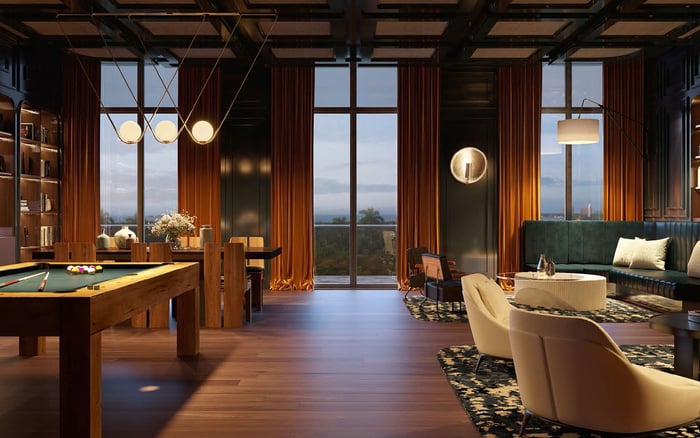
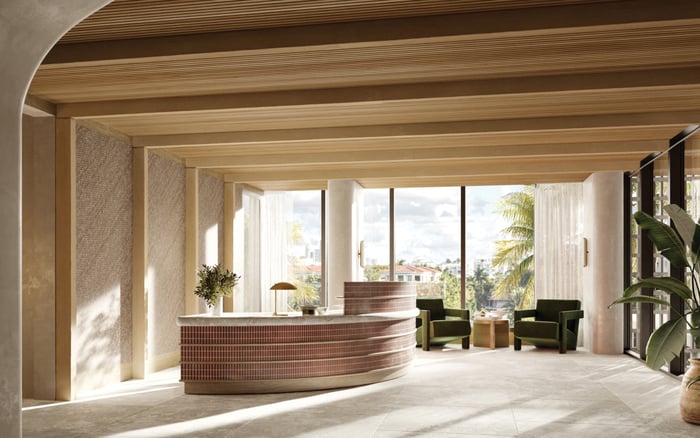
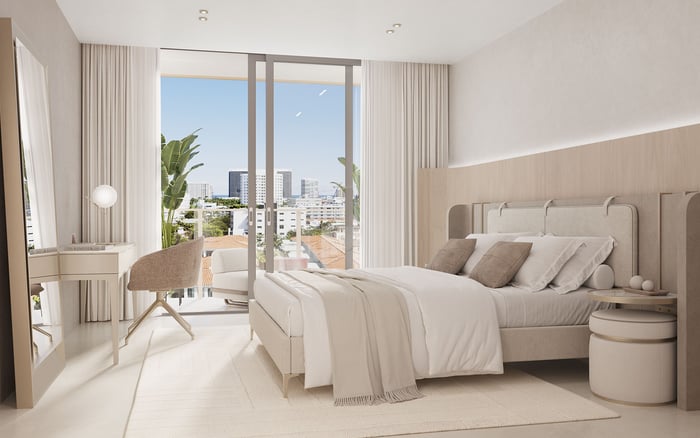
Buyers moving from Jackson Hole to a Bay Harbor Islands second home should evaluate Art Week entertaining through a residential lens. Current association documents, written management guidance, catering logistics, amenity access, parking, and privacy protocols should shape the hosting plan before invitations are issued.
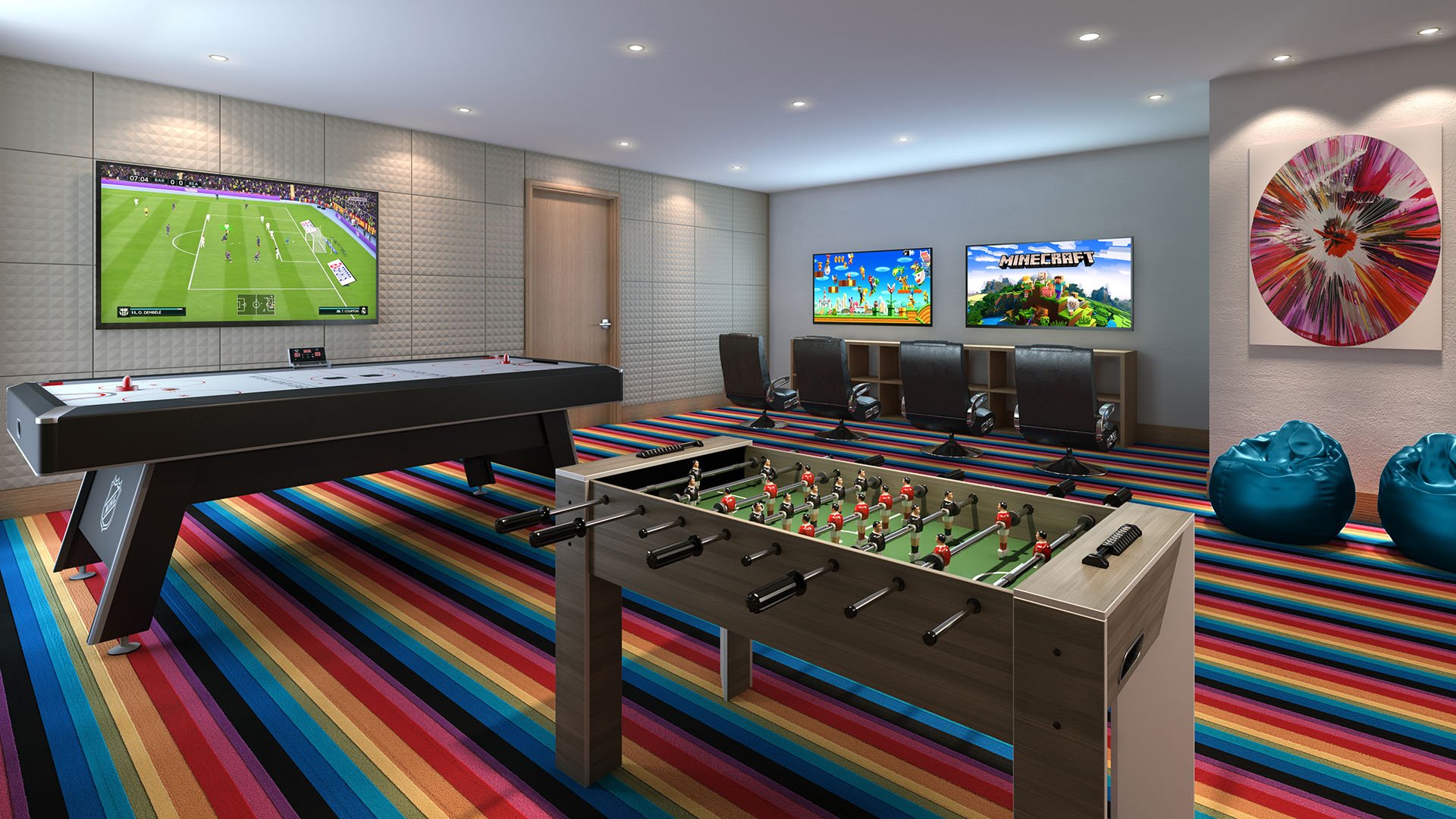
Leaving Jackson Hole for a South Florida second home involves more than adapting to a new setting. For a buyer choosing Bay Harbor Islands, Art Week can test whether a residence, building, and service plan support the desired style of entertaining without compromising privacy.
The first step is to define the occasion. An intimate owner-hosted dinner, a catered gathering using a shared amenity, and a professionally produced activation should not be treated as interchangeable. Each format introduces different questions about guests, vendors, access, staffing, parking, sound, photography, cleanup, and the use of common areas.
For buyers considering Alana Bay Harbor Islands or another boutique residence, the practical issue is not simply whether the home presents well. The more important question is whether its layout and current operating rules suit the buyer’s preferred way of hosting during a peak week.
The most discreet Art Week residence is one whose logistics were resolved before the guest list was written.
A buyer should begin with a realistic outline of anticipated use. That outline can identify the likely number of guests, whether catering staff will be present, how arrivals will be managed, what equipment vendors may bring, and whether any shared space is expected to form part of the evening.
This planning exercise makes property comparisons more meaningful. A large terrace may be attractive, but buyers should still ask how the building handles visitors, vendor entry, deliveries, service access, music, furniture movement, refuse, and post-event restoration. Visual appeal alone cannot answer those operational questions.
The same discipline applies to amenities. Buyers should request written clarification of what may be reserved, who may attend, which services are permitted, and whether the reservation includes adjacent spaces. A buyer should avoid assuming that access to one amenity automatically extends to another.
When comparing Onda Bay Harbor with The Well Bay Harbor Islands, marketing materials can help establish a shortlist. Current governing documents and direct written guidance from the relevant association or management team should then inform the final decision.
The purpose of an event matters. A private evening arranged by an owner for personal guests presents a different profile from a gathering involving public promotion, sponsors, commercial branding, production crews, or extensive equipment. Buyers should describe the intended use accurately when seeking guidance rather than relying on a broad label such as “dinner” or “reception.”
The same caution applies when a buyer expects guests to occupy the residence without the owner. Before relying on any short-stay strategy, the buyer should review the current requirements that apply to the specific unit and building. Written confirmation is especially important because a general impression about neighborhood practices does not establish what a particular residence permits.
If a proposed gathering extends beyond Bay Harbor Islands to another South Florida location, the owner should conduct a separate review for that venue. Requirements and operating procedures should not be assumed to carry across municipal or property boundaries.
Privacy is partly architectural, but it is also operational. An owner can reduce unnecessary exposure by controlling how guest information is shared, establishing arrival windows, directing drivers in advance, limiting the number of outside vendors, and setting expectations for photography and social media.
Catering deserves particular attention because it affects multiple parts of the building experience. Before selecting a menu or service style, buyers should ask where food and equipment may enter, whether vendors use a designated elevator, when setup can begin, where staff may wait, and how cleanup will be handled. If insurance documentation or advance vendor approval is requested, the planning schedule should allow time to provide it.
At Bay Harbor Towers or any other condominium under consideration, the buyer should also ask how guests are processed and where vehicles may wait. These details can influence both discretion and the ease of the evening. The answers should come from the specific association or management team rather than assumptions based on another building.
A privacy plan should cover the end of the event as carefully as the beginning. Staggered departures, clear driver instructions, prompt vendor breakdown, controlled waste removal, and a defined contact for building staff can help preserve a composed residential atmosphere.
Event diligence is most useful when completed alongside the broader property review. The buyer’s file should include current documents addressing guests, common areas, deliveries, vendors, sound, security, parking, deposits, restoration, and any other issue relevant to the intended hosting style.
Written questions should be specific. Can caterers enter at the preferred time? Is advance guest registration expected? Which spaces may be used? Are musicians, florists, photographers, or furniture teams handled differently from ordinary deliveries? Who coordinates additional security if it is needed? Specific questions produce more useful answers than a general request for permission to entertain.
Buyers should also consider whether the residence itself supports graceful separation between private and service areas. Entry sequences, elevator access, kitchen circulation, guest-room placement, terraces, and views can all affect how comfortably a home performs when visitors and staff are present.
The goal is not to turn a residence into an event venue. It is to select a home whose physical character and current operating framework align with the buyer’s preferred scale of entertaining. That alignment can protect privacy, reduce last-minute friction, and preserve the residential experience that made Bay Harbor Islands appealing.
For discreet guidance on aligning a Bay Harbor Islands residence with your Art Week entertaining priorities, connect with MILLION.
If branded residences are on your mind — as a home or as an allocation — we would be glad to share what we are seeing, privately.
Begin a quiet conversationThe intended guest count, service style, and use of shared spaces can shape which residence and building best fit the buyer’s needs.
The buyer should request current governing documents and written management guidance addressing guests, vendors, amenities, deliveries, parking, sound, and cleanup.
No. Marketing can help create a shortlist, but current documents and written building guidance should inform event planning.
Ask about delivery timing, vendor entry, service elevators, setup, staff waiting areas, equipment, insurance documentation, and cleanup.
Not automatically. The buyer should obtain written clarification identifying the spaces and privileges included in a reservation.
Use controlled guest lists, planned arrival windows, clear driver instructions, limited vendor access, and agreed photography protocols.
No. Public promotion, sponsorship, production crews, or commercial branding call for a separate review of the proposed use.
They should confirm registration procedures, entry points, vehicle arrangements, security coordination, and any advance notice expected by management.
Practices associated with another residence or building may not reflect the current framework for the property being considered.
It should be addressed during the property review so the buyer can evaluate operational fit before making event commitments.