For collectors considering THE WELL Coconut Grove or Vita at Grove Isle, a successful purchase requires more than a compelling installation wall. Freight permissions, measured delivery routes and residence-specific climate planning deserve written answers before the collection arrives.
For a collector, a residence must accommodate two distinct experiences: living beautifully with art and moving it safely into place. At THE WELL Coconut Grove and Vita at Grove Isle, the most useful buyer questions concern what connects those experiences: truck arrival, crate movement, installation permissions and environmental control.
Neither property's advertised amenities establish a complete art-delivery protocol. Freight-elevator dimensions, crate limits, loading capacity, approved riggers and hoisting procedures remain questions for management. Treat those answers as part of residence selection, not details to resolve after the interiors are complete.
Begin with a collection brief listing each work's packed dimensions, weight, intended location and handling requirements. Ask your art handler, designer and climate specialist to assess the same residence. The objective is a coordinated plan-not separate assurances that the elevator is large or the apartment is well conditioned.
The Well Coconut Grove is described as comprising 194 residences across eight floors, with one- to four-bedroom residences, ground-floor lofts and select townhomes. Each format warrants its own route inspection; no delivery assumption should replace a residence-specific review.
The property is listed at 2855 Tigertail Avenue, Coconut Grove, FL 33133. Confirm the official building address and approved truck entrance before booking transport, particularly because marketed street numbers differ. An address suitable for a buyer visit does not confirm a delivery location.
Select townhomes are advertised with walk-up street access and private garden entries. These features warrant an access discussion, but they do not establish permission for commercial art deliveries. Ask whether a handler may use that entrance, what protection is required and whether the proposed crate can follow the approved route.
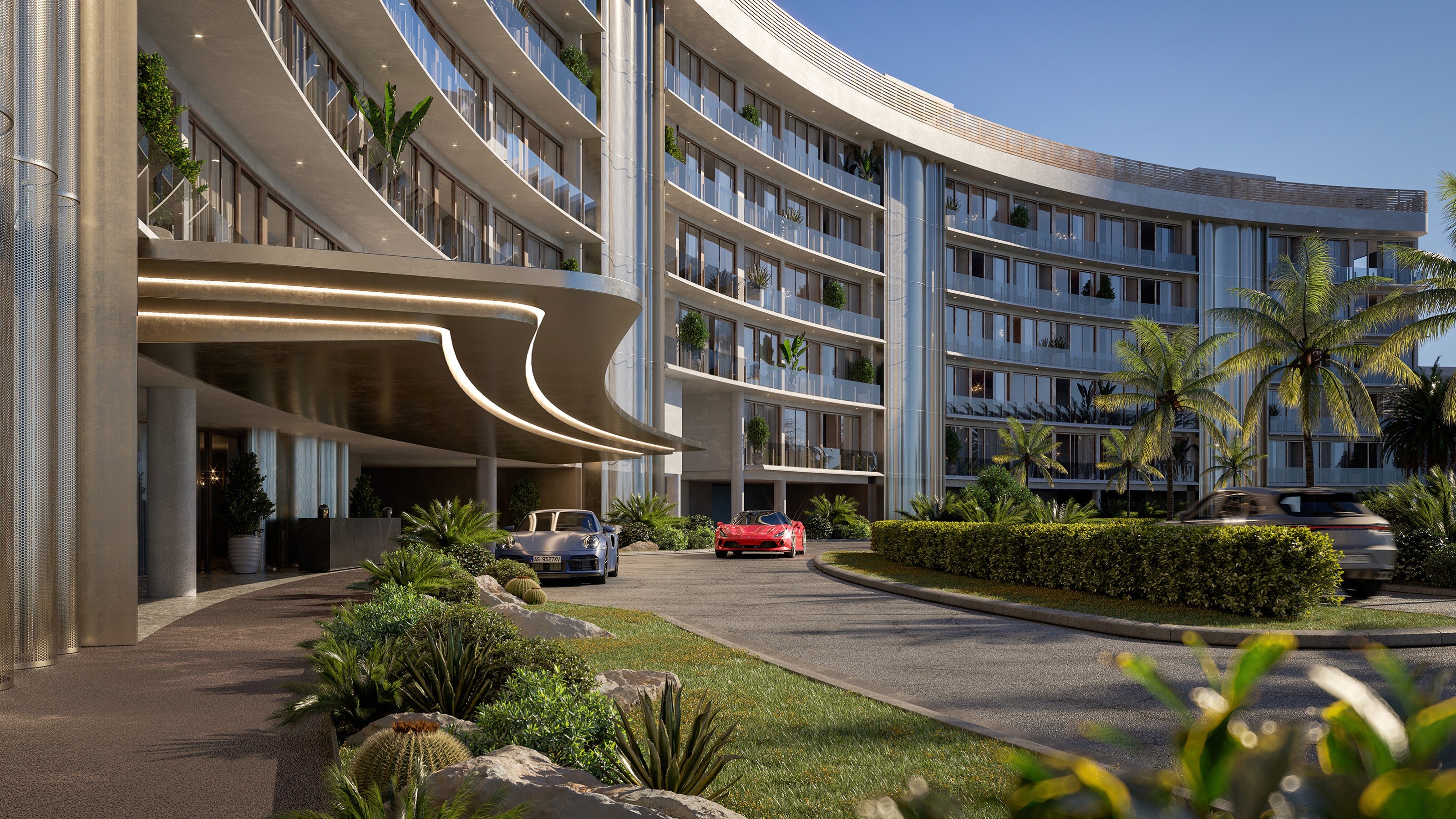
Valet parking, 24-hour security and concierge services are listed amenities, not evidence of specialist art handling. Resident EV charging likewise says nothing about commercial loading infrastructure. Ask explicitly whether an art truck may use the arrival or service route.
Vita at Grove Isle is listed at 5 Grove Isle Drive, Coconut Grove, FL 33133. Its property-wide access control includes electronic keys for guests and service personnel. For an art delivery, ask who authorizes the crew, how credentials are issued and how island arrival approvals align with the reserved delivery window.
The practical question is not simply whether a contractor can enter. It is whether the driver, handlers, installation specialists and any separate equipment delivery can arrive in the correct sequence with the necessary permissions. Request a named coordinator before dispatch.
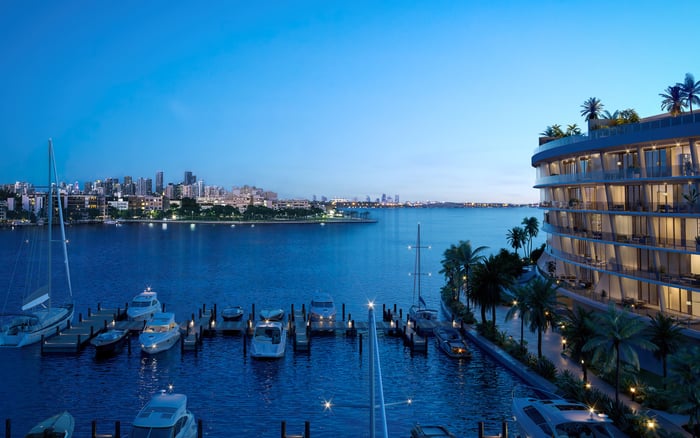
Vita's private marina and resident dock should not be treated as alternative freight facilities. Their description does not establish suitability for art freight, oversized-crate unloading or crane operations. Any proposed waterside delivery requires explicit approval and a specialist feasibility assessment; it should never be the assumed solution to an unresolved land route.
Have the art handler inspect the full path from the approved unloading position to the installation wall. Request measurements for doors, elevator interiors, corridor turns and ceiling clearances, along with an assessment of exterior exposure. Keep a work's display dimensions distinct from its packed dimensions throughout the review.
A written delivery plan should request confirmation of:
Delivery hours, truck-size limits and elevator reservation procedures.
Insurance requirements and any contractor-approval process.
Permitted staging, unpacking and temporary crate locations.
Security arrangements during unloading and installation.
Surface-protection requirements and crate-disposal rules.
These are due-diligence requests, not established policies at either building. If a route remains unresolved, ask for permitted alternatives before commissioning transport or finalizing an installation scheme.
For buyers also considering Park Grove Coconut Grove, use the same collection brief and request the same written answers. A consistent checklist supports a meaningful comparison without assuming that neighboring residences share freight arrangements or handling capabilities.
The installation wall deserves as much scrutiny as the delivery route. Before planning heavy sculpture or oversized works, request floor-load limits, wall-construction details and approved anchor specifications. Ask which proposed alterations require approval and who is authorized to review them.
Have the design team reconcile those answers with the actual installation, including the work, its mount and any supporting elements. Permission to move a crate into a residence is not permission to attach its contents to a wall or undertake structural work.
Keep installation approval distinct from aesthetic approval. A preferred location should remain provisional until the relevant technical details and building permissions are resolved. This is especially important when the collection determines the room's layout rather than merely furnishing it.
Vita's specified residence features include variable-refrigerant-flow HVAC with multiple temperature-control zones. This is a documented temperature-control feature, not confirmation of museum-grade humidity control or collection-preservation performance.
Ask for residence-specific humidity performance, continuous-operation capability and options for independent monitoring. Have the collection's conservation adviser define the required conditions, then ask the mechanical specialist to assess whether the proposed system and operating plan can meet them. A generic thermostat setting is no substitute for that review.
Vita also specifies a pre-installed Crestron smart-home system controlling lighting, audiovisual systems, HVAC and, where provisioned, window treatments. Clarify which functions are included in the particular residence and whether proposed collection-monitoring equipment needs separate integration. Smart-home control alone does not establish conservation monitoring.
In-residence water heaters with hot-water recirculation are a domestic hot-water feature, not a stated art-preservation system. At THE WELL, request equivalent residence-specific mechanical information rather than drawing conclusions from wellness positioning.
Before leaving a collection unattended, confirm which systems receive backup power. Ask separately about HVAC, security, elevators, access control and collection-monitoring equipment. Precise coverage is not established here; a general assurance about emergency power should not replace a system-by-system answer.
Request a written response plan identifying who receives alerts, who can enter the residence and who coordinates specialist assistance. Also ask whether either property offers relevant storage or handling services; neither should be assumed to provide specialist art services or collection storage.
The purchase decision becomes clearer when three documents align: an approved delivery route, an installation plan and a climate-and-response plan. For collectors, those written answers connect an exceptional interior with the practical requirements of ownership.
For a discreet conversation about collection-conscious residence selection in Coconut Grove, connect with MILLION.
If branded residences are on your mind — as a home or as an allocation — we would be glad to share what we are seeing, privately.
Begin a quiet conversationThe approved truck entrance needs separate confirmation from the marketed address. Ask management whether art trucks may use the arrival or service route.
Select townhomes advertise walk-up street access and private garden entries, but those features do not establish commercial delivery permission. Obtain approval for the specific entrance and delivery route.
Freight-elevator dimensions, crate limits and loading capacity remain unresolved management questions. Have your handler measure the approved route before scheduling transport.
Ask the handler to assess the path from unloading to the installation wall, including doors, elevator interiors, corridor turns, ceiling clearances and exterior exposure.
The private marina and resident dock do not establish permission or suitability for art freight, crane operations or oversized-crate unloading. Any waterside proposal needs explicit approval and specialist assessment.
Vita specifies electronic keys for guests and service personnel. Ask management how crew credentials, island arrival approvals and delivery reservations are coordinated.
Its documented variable-refrigerant-flow HVAC includes multiple temperature-control zones, but that does not establish museum-grade humidity control. Request residence-specific performance information and independent monitoring options.
The specified pre-installed system controls lighting, audiovisual systems, HVAC and, where provisioned, window treatments. Confirm the residence's included functions and any separate collection-monitoring integration.
Request floor-load limits, wall-construction details, approved anchors and any required alteration approvals. Coordinate those answers with the actual installation design.
Precise coverage is not established for either property. Confirm HVAC, security, elevators, access control and collection monitoring separately, and request an absence-response plan.