A buyer-oriented look at what “direct beach access” means in practice at Armani Casa Sunny Isles Beach, with a focus on daily logistics: arrival flow, elevator-to-sand timing, service touchpoints, privacy, and weather resilience. With limited verified property-specific disclosures provided, this editorial evaluates the typical operational realities of oceanfront high-rise living in Sunny Isles Beach and frames the right questions to ask on a tour.
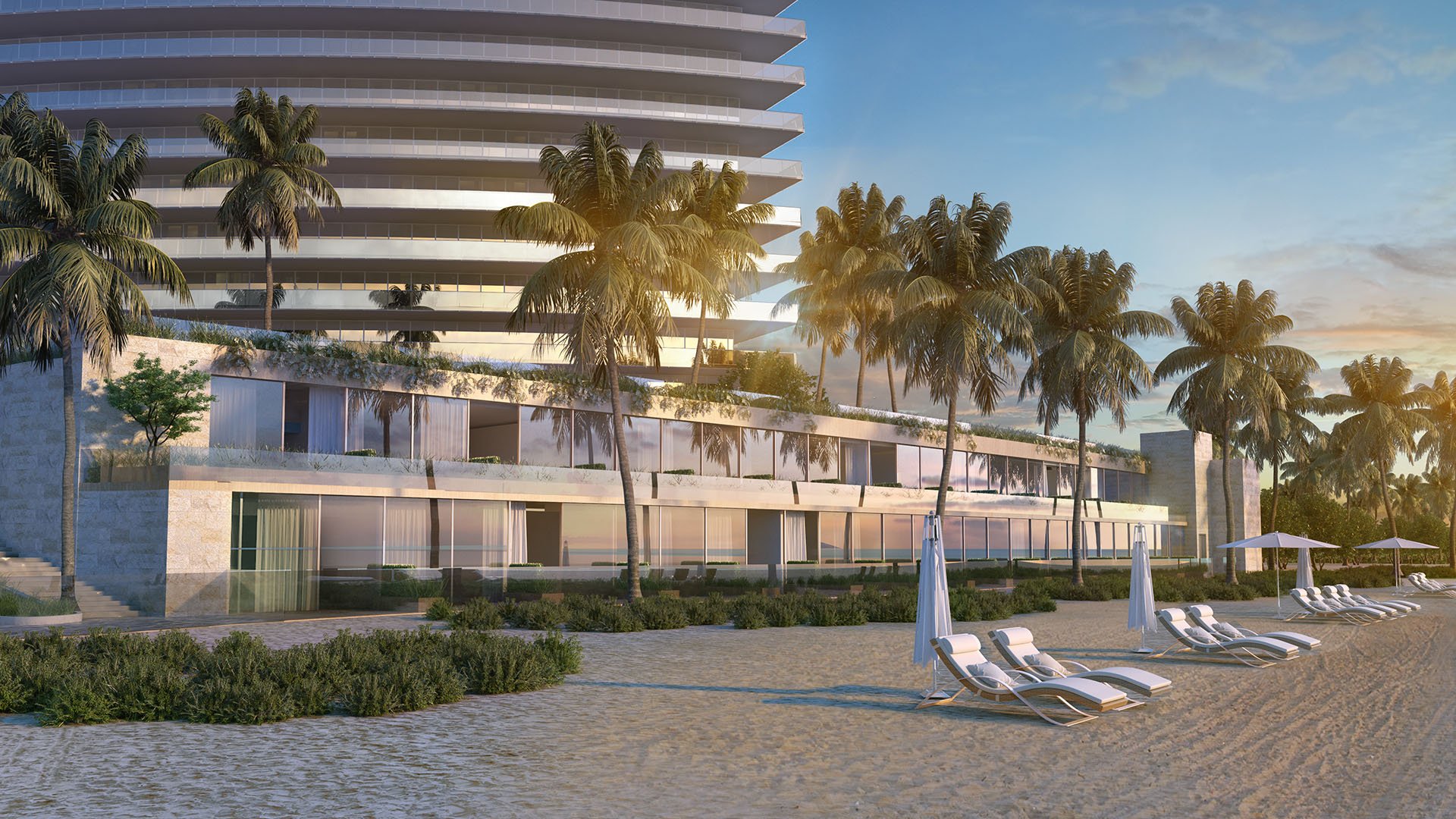
In Sunny Isles, “direct beach access” is often treated as a binary: you are either on the sand or you are not. For a buyer evaluating an oceanfront tower, the more useful lens is operational. How you move from arrival to residence-and from residence to shoreline-determines whether the beach reads as an extension of the home or an occasional outing that requires planning.
At Armani Casa Sunny Isles Beach, the expectation is a tightly choreographed, hospitality-forward lifestyle. Set marketing language aside and the test stays simple and practical: can you get from your front door to the water with minimal friction, appropriate privacy, and service that feels effortless rather than performative?
This is the logic MILLION Luxury applies when evaluating direct beach access: route clarity, control points, elevator strategy, staffing, and resiliency on high-wind days. A great beach lifestyle is rarely about a single door. It’s about how the building performs at 8:30 a.m. with a towel and coffee-and again at 5:30 p.m. when you’re sandy, carrying a child, or returning with guests.
A direct-access building can still feel indirect if the route is fragmented. When touring, ask to physically walk the exact path you’d use on a normal day. In most oceanfront high-rises, the sequence typically includes arrival, controlled entry, a lobby transition, vertical circulation, and an exterior gate leading to the beachfront walk.
Key points to evaluate:
Is there a sheltered drop-off that keeps beach gear discreet and dry? Where do packages, coolers, and bikes go-and can you stage them without choking circulation?
Direct access should not mean porous access. The best buildings balance guest flow with resident control, so the beach gate is protected without feeling like a checkpoint.
Elevators are the unseen determinant of “minutes to sand.” If beach access requires multiple elevator changes-or routes that overlap with service traffic-the experience becomes less private and less predictable.
The final segment matters. Some paths feel like a resort promenade; others are narrow or exposed, which becomes impossible to ignore on windy Sunny Isles afternoons.
If you’re considering additional options along the same stretch, tour a few peers to calibrate your expectations. For instance, the operational rhythm you’ll see in Bentley Residences Sunny Isles or Turnberry Ocean Club Sunny Isles can sharpen your eye for what feels genuinely seamless versus merely adjacent to the beach.
The difference between “we have beach access” and “the beach is part of your lifestyle” is service. Service isn’t only about chairs; it’s about how the building anticipates needs without creating noise, clutter, or unnecessary exposure.
When evaluating Armani Casa Sunny Isles Beach, look for clarity on these elements:
Is there a defined process for reserving or requesting setups, and does it feel balanced on peak weekends? The best systems preserve spontaneity while avoiding first-come chaos.
Small details create a true luxury loop. If towels are available, where are they staged, and how is used-linen handled to keep common areas pristine?
If there is any beachside refreshment service, the question is how it’s delivered. A refined building keeps routes discreet and avoids service carts becoming the visual focal point.
Premium service is there when you need it and nearly invisible when you don’t. Watch where teams stand, store equipment, and reset areas.
Because service standards can vary between towers-even within the same neighborhood-it’s useful to see a “resort-style” benchmark in other Miami Beach or Surfside contexts. Touring a property like The Perigon Miami Beach can help you spot the operational cues that signal a truly elevated beachfront program.
Sunny Isles Beach is lively, and the shoreline is public. Direct beach access does not imply a private beach. The luxury promise is that the resident’s transition between private and public feels controlled, calm, and dignified.
On a tour, assess:
Can passersby see into the access corridor or gate area? A well-designed transition prevents residents from feeling “on display” as they come and go.
If you host, can you bring guests to the beach without confusing routes or overburdening front-desk staff?
If service routes overlap with the resident beach route, privacy and cleanliness take a hit.
The luxury test is the return trip. Is there a place to rinse feet, manage wet towels, and re-enter without tracking sand through primary social spaces?
If privacy is a primary motivator, consider how Sunny Isles compares to other oceanfront environments in South Florida. Even outside the immediate market, an oceanfront building such as 57 Ocean Miami Beach can provide a useful point of reference for how some projects choreograph privacy while still engaging the beach.
Sunny Isles can be breezy. Oceanfront living is a relationship with salt, humidity, and wind-driven sand. “Direct access” should include a plan for the days when the beach is still beautiful, but the environment is demanding.
Look for practical resilience features:
Are there sheltered moments along the route, or does the path funnel wind? You feel this most when carrying a bag, guiding kids, or moving with guests.
Beach entry points should be safe and dry quickly after rain. Poor drainage can make a supposedly elegant route feel like a back-of-house corridor.
Where does equipment live when weather changes quickly? The best buildings prevent chairs and umbrellas from turning into a visual storage problem.
Ask how quickly beach setups return after weather events and what residents can expect in the interim.
Operational maturity shows in these edge cases. A building that feels effortless on a quiet weekday but struggles on a windy holiday weekend is not truly delivering the promise of direct access.
Direct access is most valuable when it matches the realities of your household. A couple who travels lightly has different requirements than a family with children and guests-or an owner who values long walks at dawn.
Consider the following use cases:
Is the route stroller-friendly, and can you manage toys and towels without awkward bottlenecks? Look for wide, predictable circulation and a return path that supports rinse-and-reenter.
If you envision hosting, beach access should be intuitive. Guests shouldn’t feel like they’re “sneaking” through a hidden door, but they also shouldn’t compromise resident security.
Policies and practicalities matter. Even if the neighborhood is pet-friendly, the building’s route and cleaning standards determine whether daily routines stay elegant.
If you run, swim, or walk the shore daily, the time-and-friction equation becomes central. One extra elevator stop adds up over a year.
This is where comparative touring pays off. Seeing multiple Sunny Isles towers helps you identify which designs prioritize lifestyle flow rather than simply meeting the minimum definition of oceanfront.
Bring your questions down to the level of choreography. You’re not asking for promises; you’re confirming systems.
Ask:
What is the exact resident route from lobby to beach gate, and can we walk it now?
Are there dedicated elevators or preferred circulation for beach access at peak times?
How does the building manage chair setups and removals, and what is the resident experience on busy weekends?
Where are towels, water, and rinse stations located, and how is sand controlled when residents return?
How is privacy maintained at the gate and along the access corridor?
What changes operationally on windy days, during seasonal seaweed, or after storms?
When the answers are crisp and the route feels intentional, direct beach access becomes a daily privilege rather than a feature you use occasionally.
For an ultra-premium buyer, the standard isn’t whether a building touches the beach. The standard is whether the beach is integrated into daily life with the same discretion as the lobby, the same attention to detail as the residence, and the same calm you expect from true luxury.
In practice, direct beach access at Armani Casa Sunny Isles Beach should be evaluated through the lens of friction: how many transitions, how much exposure, and how consistently the building performs when the shoreline is at its busiest. If the route is clean, secure, and intuitive-and the service program is mature-the beach becomes less of a destination and more of a private ritual.
Is “direct beach access” the same as a private beach? No. The beach is public; “direct” typically refers to controlled, on-site access from the property.
What is the single most important thing to verify on a tour? Walk the exact route from the lobby to the sand and back, including re-entry after the beach.
How do elevators affect beach access convenience? Extra elevator changes and shared service circulation add time, exposure, and unpredictability.
Should I expect beach chair and umbrella service automatically? Not always. Confirm whether setups are offered, how requests work, and what peak days look like.
What should I look for when returning from the beach? Rinse options, sand control, and a clean transition back to private areas are key.
How can I evaluate privacy if the beach is public? Focus on gate placement, sightlines, and whether the access path keeps residents discreet.
Do windy days change the direct-access experience in Sunny Isles? Yes. Wind can make exposed routes uncomfortable, so sheltered transitions and procedures matter.
Can I bring guests through the beach access easily? Often yes, but policies vary. Ask how guest entry is managed without disrupting security.
Is direct beach access equally valuable for every lifestyle? No. It matters most for frequent beach users, families, runners, and owners who entertain.
What’s the best way to compare buildings objectively? Tour multiple oceanfront towers and time the route, noting transitions, staffing, and cleanliness.
For a tailored shortlist and next-step guidance, connect with MILLION Luxury.
If branded residences are on your mind — as a home or as an allocation — we would be glad to share what we are seeing, privately.
Begin a quiet conversation