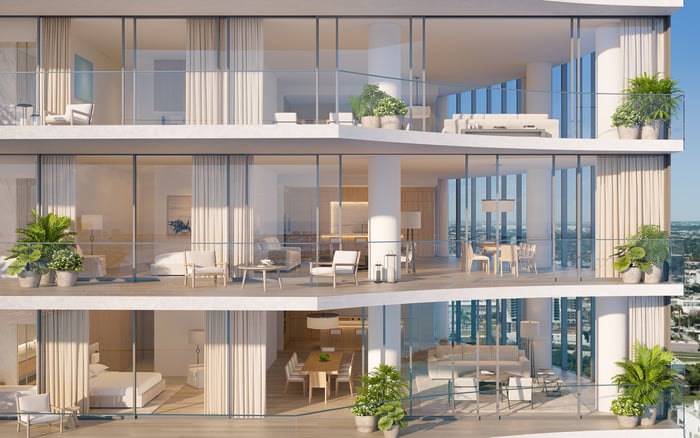
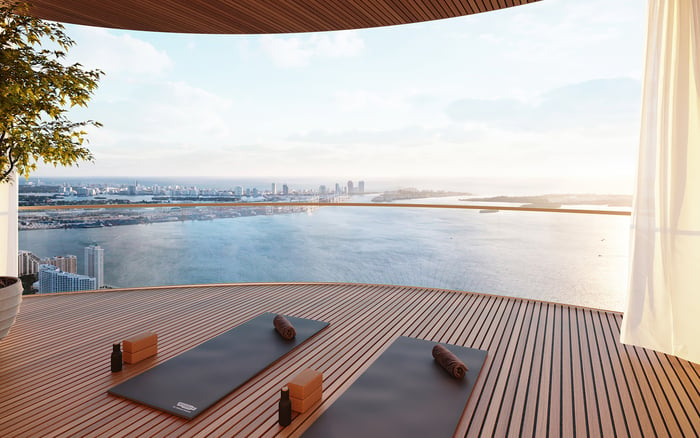
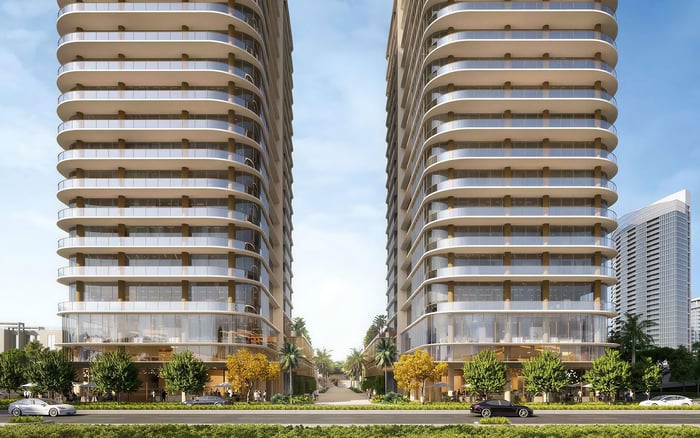
A buyer-oriented guide to evaluating EDITION Edgewater and Viceroy Brickell through the everyday lens of wellness design, daylight, ventilation, humidity control, and long-term comfort in Miami’s subtropical climate.
A pied-à-terre can impress in an afternoon. A full-time residence carries a more demanding brief. It must feel composed at sunrise, cool at midday, quiet during work calls, gracious at dinner, and restorative after weeks of South Florida humidity. That is why buyers comparing EDITION Edgewater and Viceroy Brickell should look beyond brand language and amenity renderings. The more important question is how each home will perform every day.
For full-time owners, wellness design is not a decorative category. It is the relationship between air, light, acoustics, circulation, materials, and the ability to live well without constantly adjusting the environment. In Miami, where heat, salt air, glare, and afternoon storms are part of the rhythm, those details carry real weight.
EDITION Edgewater invites a different lifestyle conversation than Viceroy Brickell. Edgewater is often considered for its residential feel and proximity to Biscayne Bay, while Brickell is defined by a denser urban cadence. Neither context is inherently better. The right choice depends on how an owner works, rests, entertains, and uses the home throughout the year.
The most successful full-time residences are not merely beautiful. They are legible, efficient, and calm. A well-planned entry sequence creates a psychological transition from the city into the private realm. Storage, laundry placement, service access, and the separation between entertaining and sleeping areas all affect whether the home feels serene or constantly in use.
In a wellness-focused inspection, buyers should ask how the floor plan supports ordinary life. Is there a place to set down bags without disrupting the living room? Can a guest powder room be used without crossing private bedroom corridors? Does the primary suite feel removed from elevator noise, street activity, or social spaces? These questions matter as much as finishes because they determine whether luxury remains effortless.
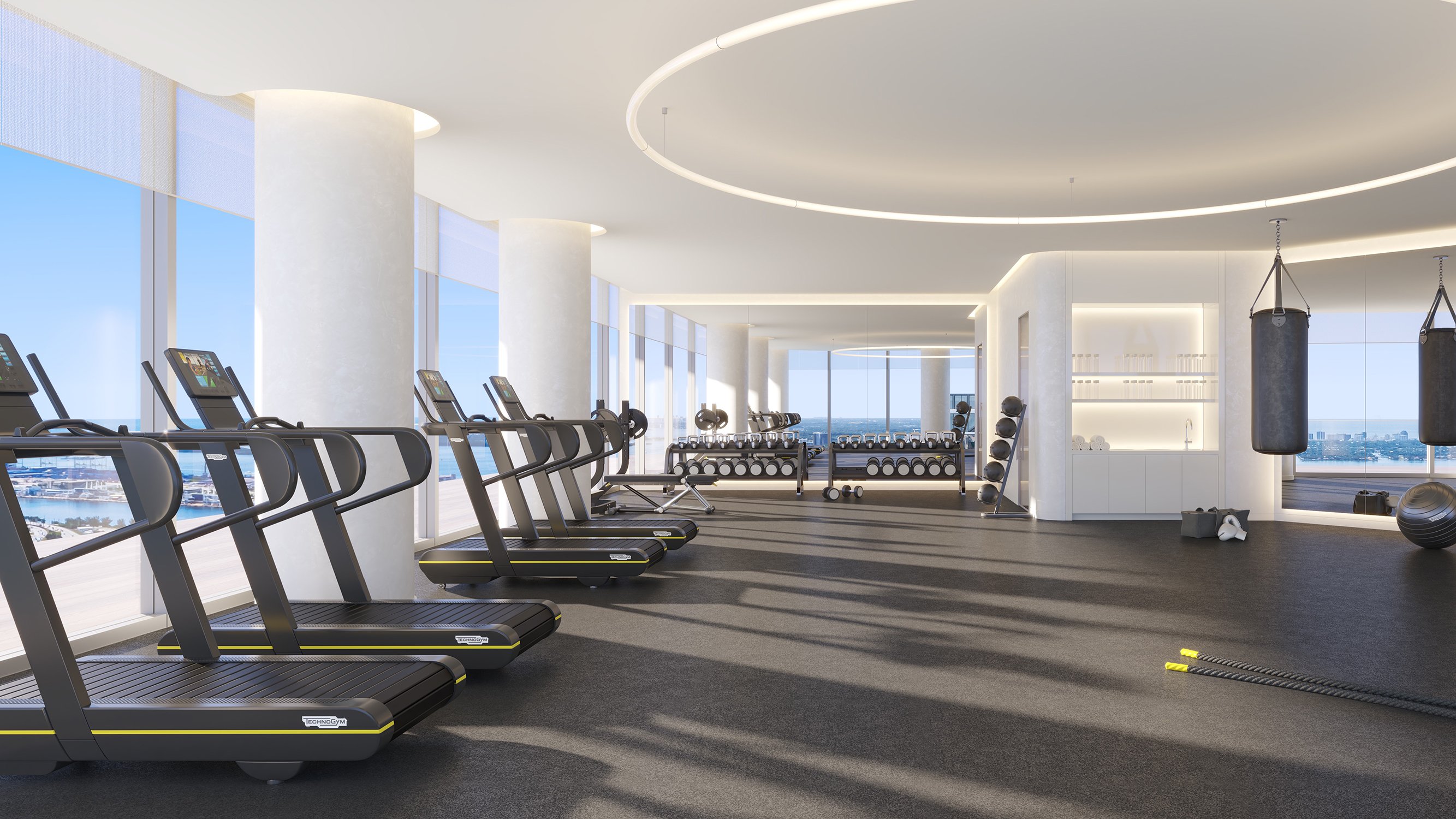
Amenities deserve the same scrutiny. Fitness rooms, spa areas, pools, lounges, and outdoor decks should be evaluated not only by appearance, but by likely use patterns. Full-time residents benefit most from amenities that are convenient, well-scaled, and easy to incorporate into a normal day. A wellness amenity that requires planning can become ornamental. One that supports routine can become a genuine extension of the home.
Natural light is one of the great pleasures of South Florida living, but it must be managed with precision. Buyers often focus first on the view, especially in Waterview settings, yet the quality of light inside the residence is just as important. Morning light, western exposure, reflected glare, and the depth of the floor plate can create very different living conditions.
In Edgewater, the relationship to the bay can make daylight feel expansive and calming. For owners considering EDITION Edgewater, it is worth visiting at different hours when possible. A residence that feels luminous in the morning may read differently late in the afternoon. Look at how light moves across main living areas, bedrooms, workspaces, and kitchen surfaces.
Brickell presents a more urban version of the same question. At Viceroy Brickell, buyers should consider neighboring towers, street activity, privacy, and how surrounding architecture may shape the light inside the home. A brighter residence is not always the more comfortable one. The ideal is controlled brightness, with enough daylight to reduce reliance on artificial lighting while avoiding persistent heat gain and glare.
Window treatments, glass performance, ceiling heights, and room proportions all influence the result. Full-time owners should consider whether a home can remain comfortable without living behind closed shades. That balance is central to daily enjoyment.
In South Florida, humidity control is not a technical afterthought. It is part of the luxury experience. A residence can have refined interiors and still feel less than ideal if the air is heavy, inconsistent, or difficult to regulate. For full-time living, buyers should understand how cooling, dehumidification, ventilation, and filtration interact.
The most practical questions are straightforward. Are temperature zones arranged around how the residence will actually be used? Can bedrooms remain comfortable overnight without overcooling living areas? How does the system respond after doors to a Balcony or Terrace have been opened? What maintenance is expected to keep air quality and performance stable?
Humidity also affects materials. Wood, stone, textiles, cabinetry, art, and closet contents all benefit from stable interior conditions. Owners with significant wardrobes, collections, or sensitive furnishings should consider storage locations, air movement, and the consistency of climate control in secondary rooms, not only the main living area.
For seasonal travelers who also use the residence as a primary home for extended periods, remote monitoring and building support can be especially valuable. The goal is not to create a sealed environment, but to maintain a refined interior climate that feels fresh, dry, and healthy without constant attention.
The wellness profile of Edgewater is shaped by openness, waterfront orientation, and a softer residential pace than the financial core. Buyers drawn to EDITION Edgewater may be prioritizing visual calm, morning rituals, and a sense of retreat while remaining connected to central Miami. In this setting, outdoor space, view corridors, and the transition from interior living areas to terraces deserve close attention.
Brickell is more kinetic. For Viceroy Brickell buyers, the appeal may lie in walkability, dining, office proximity, and the energy of a vertical urban district. Full-time wellness in Brickell often depends on insulation from intensity. Elevator efficiency, acoustic separation, amenity crowding, parking flow, and the comfort of private interiors become important counterweights to the neighborhood’s pace.
Neither choice should be reduced to lifestyle branding. A quieter buyer can thrive in Brickell if the residence is well-buffered and efficient. A socially active buyer can thrive in Edgewater if the building supports easy movement and entertaining. The decision should begin with the owner’s daily schedule, not the marketing personality of the address.
A serious walkthrough should be sensory. Stand in the primary bedroom and listen. Spend time near the glass and feel the heat load. Open and close terrace doors. Notice whether air feels consistent from room to room. Consider where a desk would go, how morning light would reach it, and whether video calls would be affected by glare.
Ask about HVAC design, filtration, maintenance access, elevator planning, acoustic expectations, and building policies that influence daily comfort. Review how outdoor areas drain, how shaded they feel, and whether furniture placement will be practical. A Balcony may be visually compelling, but a deeper Terrace can function more like a true outdoor room if proportions and exposure are right.
Full-time owners should also think about resilience. Comfort during ordinary weeks is essential, but so is the building’s ability to feel organized during peak season, heavy rain, service activity, and high-occupancy periods. Luxury is most meaningful when the residence remains composed under pressure.
Is wellness design only about amenities? No. Amenities matter, but wellness design also includes air quality, daylight, acoustics, storage, circulation, and the way a residence supports everyday routine.
Why is humidity control so important in Miami? Humidity affects comfort, air freshness, materials, closets, furnishings, and the long-term feel of a residence. Stable climate control is a core luxury standard.
Should full-time owners prioritize views or light quality? Both matter, but light quality is often more important for daily living. A dramatic view should still be comfortable through different hours of the day.
How should buyers compare Edgewater and Brickell? Edgewater may suit buyers seeking a more residential waterfront rhythm, while Brickell may suit those who value urban energy and proximity to work and dining.
What should I notice during a showing? Pay attention to glare, heat near windows, air consistency, noise, storage, terrace usability, and how naturally the floor plan supports your daily routine.
Is a Balcony enough for full-time living? It can be, if it is comfortable, usable, and well-oriented. Buyers who entertain outdoors may prefer a deeper Terrace with more flexible furnishing options.
Do high floors always feel better? Not always. Height can improve outlook and privacy, but exposure, wind, elevator convenience, acoustics, and interior comfort are equally important.
Can strong air conditioning solve humidity issues? Cooling helps, but humidity control also depends on system design, ventilation, filtration, maintenance, and how the residence is used day to day.
What makes a residence better for working from home? Controlled daylight, acoustic privacy, reliable cooling, practical desk placement, and separation from social areas all support a more comfortable workday.
Should wellness features affect resale thinking? Yes. Homes that feel comfortable, bright, quiet, and easy to maintain tend to communicate quality quickly to future buyers.
If you'd like a private walkthrough and a curated shortlist, connect with MILLION.
If branded residences are on your mind — as a home or as an allocation — we would be glad to share what we are seeing, privately.
Begin a quiet conversation